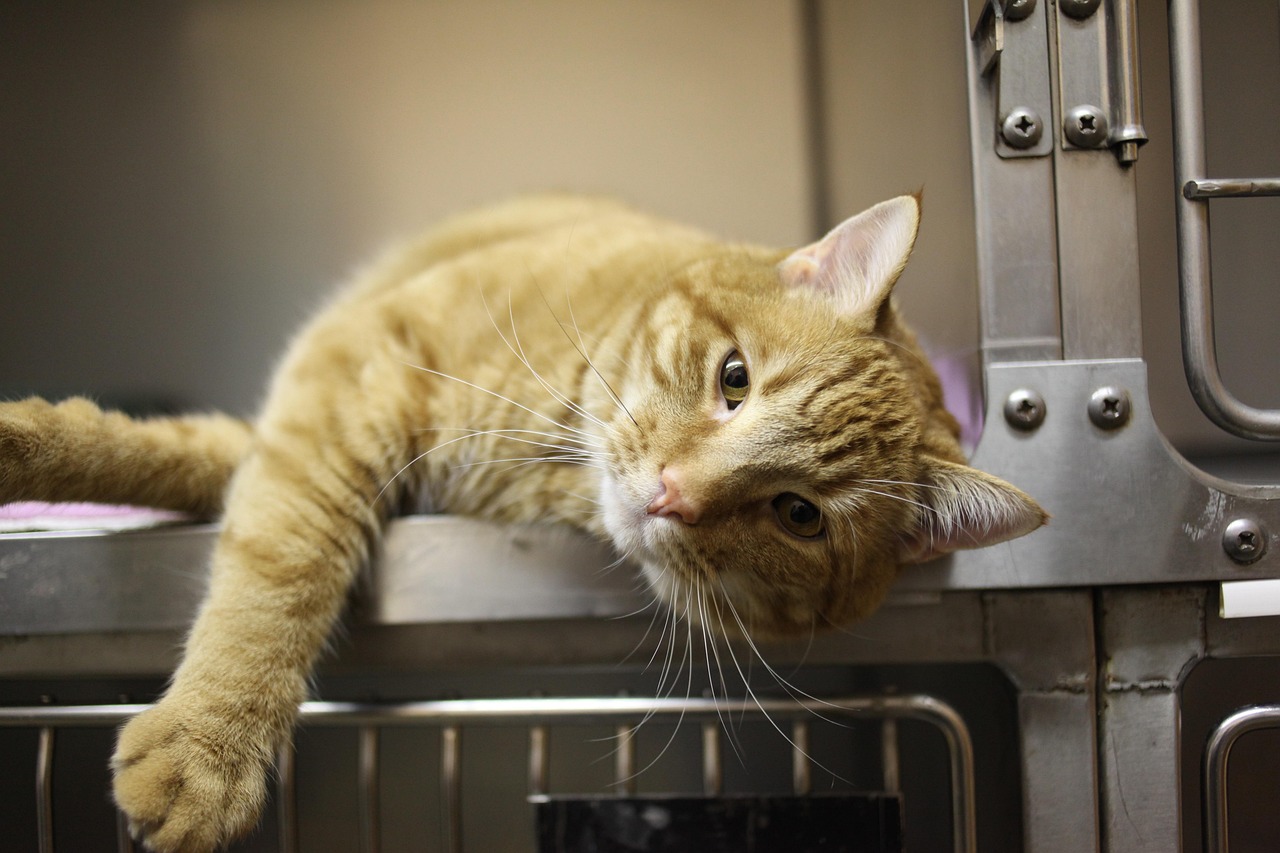
Many cat owners assume that as long as their feline friends are eating and seem generally active, they are healthy. However, choosing the right approach to cat health matters because it can significantly extend the life of a cat and improve its quality of life. Regular check-ups, balanced nutrition, and appropriate exercise are just a few aspects that contribute to overall feline wellness. Neglecting these elements can lead to a range of health issues, from obesity and diabetes to cardiovascular diseases and poor dental health. Given the average lifespan of a domestic cat is around 12 to 15 years, with some living into their early twenties, investing time and effort into their health is crucial. By understanding and implementing quick wins in cat health, owners can ensure their pets live long, happy lives.
📝 Article Overview
A Closer Look at Cat Health
Understanding the fundamentals of cat health is essential before diving into the specifics of maintaining or improving it. Cats, being natural predators, have evolved to be highly efficient with their energy, which means they have different nutritional needs compared to humans or other domesticated animals. Their diet should be rich in protein, with moderate amounts of fat, and very low in carbohydrates. Furthermore, ensuring they have access to fresh water at all times is crucial for their urinary health and overall hydration. Regular veterinary check-ups are also vital, as they can help identify potential health issues early on, such as kidney disease, hyperthyroidism, or arthritis, all of which are common in aging cats.
When evaluating the health of a cat, several key metrics should be considered. The table below highlights some of the critical factors and their ideal ranges or characteristics for a healthy adult cat.
| Metric | Ideal Range/Characteristics |
|---|---|
| Body Condition | Well-proportioned, visible waistline, ribs easily felt |
| Dental Health | Clean teeth, healthy gums, no signs of tartar or plaque |
| Coat Condition | Shiny, well-maintained, no signs of matting or shedding |
| Activity Level | Engages in play, shows curiosity, has regular periods of rest |
Key Cat Health Advancements
1. High-Quality Commercial Diets
High-quality commercial cat foods are formulated to meet the specific nutritional needs of felines, taking into account their lifecycle stage, from kittenhood through adulthood and into senior years. These diets are designed to support optimal health, with balanced levels of protein, fat, and other essential nutrients. For instance, Hill’s Science Diet and Royal Canin offer a range of formulas tailored to different life stages and health conditions.
- Key Benefits:
- Convenient and consistent nutrition
- Supports overall health and wellbeing
- Available in various formulas for different life stages and health conditions
- Hurdles to Overcome:
- Can be expensive, especially for high-end or prescription formulas
- Some cats may have sensitivities or allergies to certain ingredients
Best for: Cats of all ages requiring a balanced and convenient diet. ages requiring
2. Homemade Diets
Homemade diets allow cat owners to have complete control over the ingredients, potentially reducing the risk of food allergies or sensitivities. However, it’s crucial that these diets are formulated under the guidance of a veterinarian or a veterinary nutritionist to ensure they meet the cat’s nutritional needs. Homemade diets allow
- Key Benefits:
- Tailored to the individual cat’s needs and preferences
- Can reduce the risk of food allergies or sensitivities
- Owners have complete control over ingredients
- Hurdles to Overcome:
- Requires significant time and effort to prepare
- Risk of nutritional deficiencies if not properly formulated
Best for: Cats with specific dietary needs or allergies that cannot be met by commercial diets.
3. Raw Food Diets
Raw food diets mimic the cat’s natural diet in the wild, consisting of uncooked meat, bones, and possibly fruits and vegetables. Proponents argue that these diets promote healthier digestion, shinier coats, and improved overall health. However, there are concerns about the risk of bacterial contamination and the potential for nutritional imbalances.
- Key Benefits:
- Mimics the cat’s natural diet
- Promotes healthier digestion and overall health
- Can improve coat condition and reduce shedding
- Hurdles to Overcome: get the details here
- Risk of bacterial contamination (e.g., Salmonella, E. coli)
- Potential for nutritional imbalances if not properly formulated
Best for: Cats whose owners are willing and able to manage the risks and challenges associated with raw feeding.
4. Regular Grooming
Regular grooming is essential for maintaining the cat’s coat condition, reducing shedding, and preventing hairballs. It also provides an opportunity for owners to inspect their cat’s overall health, checking for any signs of illness or injury, such as skin lesions, limping, or changes in appetite or stool quality.
- Key Benefits:
- Improves coat condition and reduces shedding
- Helps prevent hairballs
- Provides an opportunity for health inspections
- Hurdles to Overcome:
- Some cats may be resistant or aggressive during grooming
- Requires regular time commitment from the owner
Best for: All cats, as part of a comprehensive health maintenance routine.
5. Environmental Enrichment
Environmental enrichment involves providing cats with stimulating activities and toys to engage their natural hunting instincts and encourage physical activity. This can range from simple toys like feather wands or laser pointers to more complex setups like climbing structures or puzzle feeders.
- Key Benefits:
- Encourages physical activity and mental stimulation
- Reduces boredom and stress
- Supports overall health and wellbeing
- Hurdles to Overcome:
- Can be expensive, especially for complex setups
- Requires space and time commitment from the owner
Best for: Indoor cats or those with limited opportunities for outdoor activity.
| Option | Best For | Difficulty | Cost | Speed |
|---|---|---|---|---|
| High-Quality Commercial Diets | Cats of all ages | Low | Medium to High | Immediate |
| Homemade Diets | Cats with specific dietary needs | High | Medium to High | Varies |
| Raw Food Diets | Cats whose owners can manage the risks | High | High | Varies |
| Regular Grooming | All cats | Medium | Low to Medium | Immediate |
| Environmental Enrichment | Indoor or inactive cats | Medium | Medium to High | Varies |
How to Choose the Right One
Choosing the right approach to cat health involves considering several key factors, including the cat’s age, health status, lifestyle, and the owner’s ability to commit time and resources. For kittens and younger cats, high-quality commercial diets and regular veterinary check-ups are crucial. For older cats or those with specific health conditions, homemade diets or certain types of environmental enrichment may be more appropriate.
Age and Health Status are critical considerations. Kittens require diets rich in protein to support growth, while older cats may need diets formulated to manage health issues such as kidney disease or arthritis. Lifestyle is another important factor; indoor cats may require more environmental enrichment to compensate for the lack of outdoor activity, while cats with outdoor access may need protection against parasites and diseases.
Additionally, Owner Commitment is essential. Some approaches, like homemade diets or regular grooming, require a significant time commitment from the owner. The Cost of different options should also be considered, as some, like high-quality commercial diets or certain environmental enrichments, can be expensive. Finally, the Speed of Implementation and the cat’s potential Adaptability to changes in diet or environment are important considerations to ensure a smooth transition and minimal stress for the cat.
By carefully evaluating these factors and consulting with a veterinarian, cat owners can make informed decisions about the best approach to their cat’s health, ensuring they provide the care and support needed for a long and happy life.
What This Means in Practice
Picking the right option for cat health can have numerous benefits. Firstly, it can lead to a Reduced Risk of Chronic Diseases, such as diabetes, heart disease, and certain types of cancer, through the provision of a balanced diet and regular exercise. Secondly, it can result in Improved Coat Condition and Reduced Shedding, enhancing the cat’s overall appearance and reducing the amount of hair shed around the home. Thirdly, Regular Health Checks can help identify potential health issues early, allowing for prompt intervention and treatment. This proactive approach to health can also Strengthen the Bond between the cat and owner, as regular interaction and care can deepen their relationship and understanding of each other’s needs.
Furthermore, the right approach to cat health can Increase the Cat’s Energy Levels, leading to a more active and engaging pet. It can also Support Mental Health, as environmental enrichment and social interaction can help reduce stress and boredom. By focusing on these aspects, cat owners can help their pets live Longer, Healthier Lives, which is the ultimate goal of any cat health strategy.
Key Takeaways
The key to maintaining optimal cat health lies in understanding the individual cat’s needs and applying a tailored approach that considers diet, lifestyle, age, and health status. By choosing the right diet, whether it be a high-quality commercial diet, a homemade diet, or a raw food diet, and combining it with regular grooming, environmental enrichment, and veterinary check-ups, cat owners can significantly improve their cat’s quality of life. Ultimately, a well-informed and proactive approach to cat health, guided by the principles of nutrition, care, and prevention, is essential for ensuring cats live long, happy, and healthy lives.
By recognizing the importance of these factors and making informed decisions, cat owners can provide their pets with the best possible care, addressing their physical and mental health needs effectively. This not only benefits the cat but also enhances the pet-owner relationship, leading to a more fulfilling and enjoyable experience for both parties. Through dedication and the right strategies, cat owners can help their feline companions thrive, making every day a celebration of health, happiness, and the special bond they share.