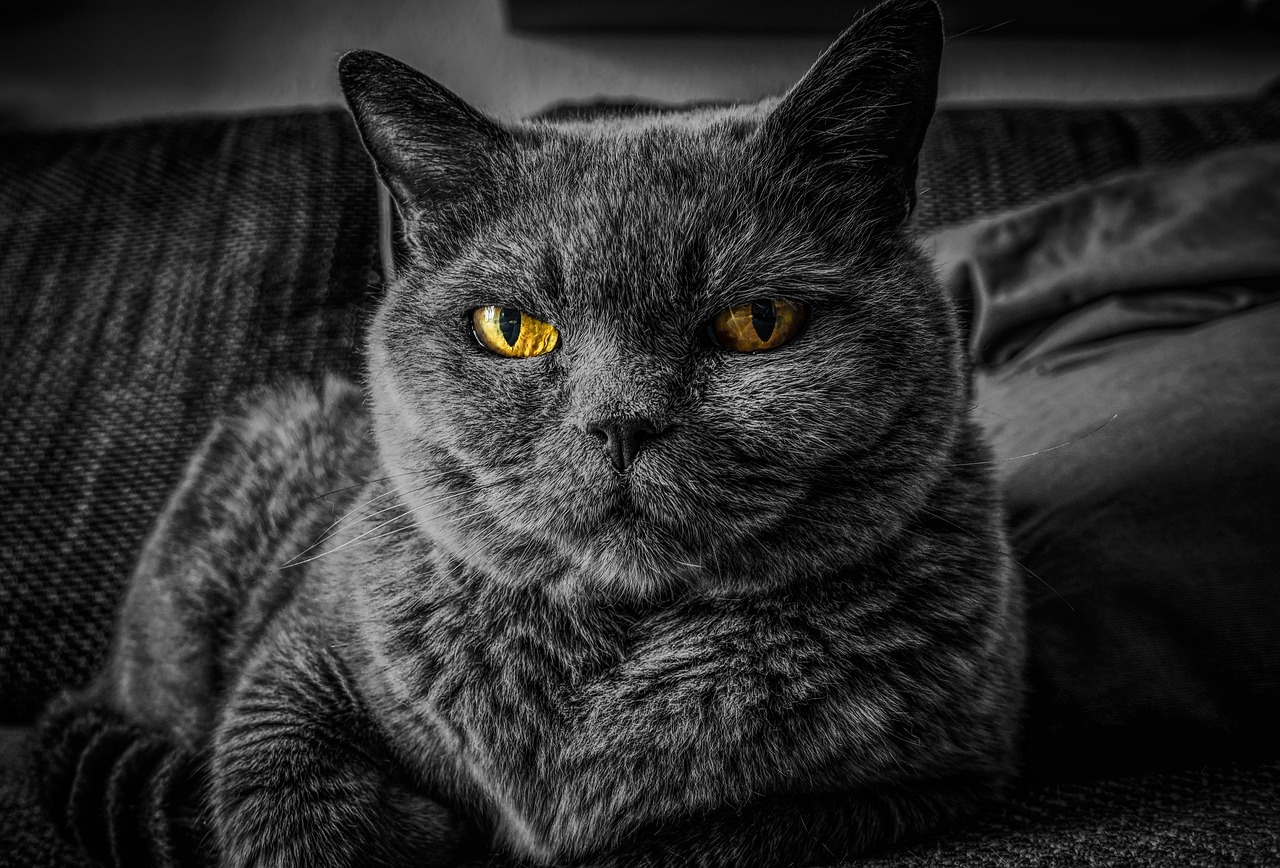
Many cat owners believe that keeping their cats indoors is detrimental to their health and happiness, citing the need for outdoor exploration and hunting as essential for a cat’s well-being. However, data from 2024 suggests that indoor cats live longer, healthier lives compared to their outdoor counterparts, with an average lifespan of 12-17 years compared to 2-5 years for outdoor cats. Despite this, myths about indoor cat care persist, often leading to misinformation and inadequate care. Industry studies show that a significant number of indoor cats suffer from obesity, boredom, and stress due to lack of stimulation and exercise. Furthermore, a common misconception is that cats are low-maintenance pets that can thrive without attention or interaction. On the contrary, cats require a stimulating environment, social interaction, and regular exercise to stay physically and mentally healthy. Additionally, the notion that cats are naturally inclined to hunt and must be allowed to do so outdoors overlooks the fact that many indoor cats can satisfy their hunting instinct through play with toys and interactive games.
📝 Table of Contents
A Closer Look at Indoor Cat Care
Indoor cat care involves creating a stimulating and safe environment for your cat, providing regular veterinary check-ups, and ensuring your cat gets enough exercise and social interaction. According to veterinary experts, a key aspect of indoor cat care is understanding the cat’s natural behavior and tailoring the indoor environment to meet these needs. For example, cats are natural climbers and jumpers, so providing cat trees and scratching posts can help keep them active and engaged. The comparison between different aspects of indoor and outdoor cat care is summarized in the following table:
| Aspect of Care | Indoor Cats | Outdoor Cats |
|---|---|---|
| Average Lifespan | 12-17 years | 2-5 years |
| Risk of Disease | Lower | Higher |
| Risk of Injury | Lower | Higher |
| Quality of Life | Higher with proper care | Variable, depends on environment |
As shown in the table, indoor cats generally have a longer lifespan and lower risk of disease and injury compared to outdoor cats. However, the quality of life for indoor cats depends significantly on the care they receive, emphasizing the importance of a well-planned and stimulating indoor environment.
Leading Indoor Cat Care Solutions
1. Providing Adequate Space and Verticality
One of the primary concerns for indoor cat care is ensuring that your cat has enough space to move around and exercise. Data from cat behavior studies indicates that cats need vertical space to climb, jump, and observe their surroundings, which can be achieved through cat trees, shelves, and scratching posts. This not only helps in maintaining physical health but also provides mental stimulation.
A well-designed indoor space for cats should include multiple levels for climbing and resting, as well as areas for hiding and seeking. Industry experts recommend that cat owners consider the individual personality and preferences of their cat when designing the indoor space, as some cats may require more isolation or verticality than others. welldesigned indoor space
- What You Gain: read more here
- Improved physical health through exercise and stretching.
- Reduced stress and anxiety by providing areas for retreat and observation.
- Enhanced mental stimulation through exploration of vertical spaces.
2. Implementing a Balanced Diet and Hydration Plan
Nutrition plays a critical role in indoor cat care, as a balanced diet is essential for maintaining health and preventing obesity. According to nutritional guidelines, indoor cats require a diet that is high in protein, moderate in fat, and low in carbohydrates, with access to fresh water at all times. Moreover, the feeding schedule should be designed to mimic the natural hunting behavior of cats, with multiple small meals throughout the day.
Industry studies show that a significant number of indoor cats are overweight or obese, which can lead to various health issues, including diabetes and heart disease. Therefore, monitoring food intake and ensuring that your cat is not overeating is crucial. Additionally, providing a variety of textures and flavors can help keep mealtime interesting and prevent boredom.
- What You Gain:
- Maintenance of ideal body weight, reducing the risk of obesity-related diseases.
- Optimal energy levels and physical condition through proper nutrition.
- Reduced risk of nutritional deficiencies and related health issues.
3. Creating a Stimulating Environment
Indoor cats need mental and physical stimulation to prevent boredom, stress, and related behavioral problems. Experts recommend creating a stimulating environment through the use of toys, puzzle feeders, scratching posts, and interactive play. Data from behavioral studies suggests that cats have a strong prey drive and enjoy activities that mimic hunting, such as chasing laser pointers or playing with feather toys.
A stimulating environment can also include sensory stimulation, such as catnip, scratching pads, and climbing structures. Industry experts advise rotating toys and activities regularly to keep the environment fresh and engaging for your cat. Furthermore, providing windows for observation can satisfy your cat’s natural curiosity and desire to watch the outdoors.
- What You Gain:
- Reduction in stress and anxiety through engagement in play and exploration.
- Prevention of boredom and related behavioral issues, such as destructive scratching or excessive meowing.
- Enhancement of cognitive function and problem-solving skills through interactive play and puzzle toys.
4. Ensuring Regular Veterinary Care
Regular veterinary care is essential for maintaining the health and well-being of indoor cats. According to veterinary guidelines, indoor cats should have at least one annual check-up with a veterinarian, during which the cat’s overall health, vaccination status, and parasite control are assessed. Industry data indicates that preventive care, such as vaccinations and parasite control, can significantly reduce the risk of diseases in indoor cats.
Furthermore, regular veterinary care provides an opportunity for early detection and treatment of health issues, improving outcomes and quality of life for indoor cats. Experts recommend keeping a record of your cat’s veterinary care, including vaccinations, health issues, and medications, to ensure continuity of care and to identify any patterns or concerns early on.
- What You Gain:
- Early detection and treatment of potential health issues, improving outcomes and quality of life.
- Prevention of diseases through vaccinations and parasite control.
- Personalized health advice and guidance tailored to your cat’s specific needs and health status.
5. Fostering Social Interaction and Bonding
Social interaction is a critical aspect of indoor cat care, as cats are social animals that thrive on interaction with their human caregivers. Industry studies show that cats form strong bonds with their owners and can suffer from separation anxiety and stress if left alone for extended periods without interaction. Therefore, spending quality time with your cat, such as playing, grooming, or simply sitting together, is essential for their emotional well-being.
Experts recommend establishing a routine that includes regular interaction and playtime, which can help in reducing stress and strengthening the bond between cat and owner. Moreover, providing attention and affection on the cat’s terms can help build trust and reinforce positive behaviors.
- What You Gain:
- Strengthening of the bond between cat and owner, promoting a sense of security and trust.
- Reduction in stress and anxiety through regular interaction and play.
- Enhancement of your cat’s emotional well-being and overall quality of life.
What This Means in Practice
✔ Improved Physical Health Improved Physical Health
By providing adequate space, a balanced diet, and opportunities for exercise, indoor cats can maintain optimal physical health. This includes a healthy weight, good muscle tone, and strong bones, reducing the risk of obesity-related diseases and improving overall well-being.
✔ Enhanced Mental Stimulation
Creating a stimulating environment that includes toys, puzzle feeders, and interactive play can prevent boredom and stress in indoor cats. This mental stimulation is crucial for maintaining cognitive function and problem-solving skills, keeping your cat engaged and active.
✔ Stronger Bond with Your Cat
Fostering social interaction and bonding through quality time and attention can strengthen the relationship between cat and owner. This not only improves the cat’s emotional well-being but also enhances the overall quality of life for both the cat and the owner.
✔ Better Disease Prevention
Regular veterinary care, including vaccinations and parasite control, can significantly reduce the risk of diseases in indoor cats. Early detection and treatment of health issues also improve outcomes and quality of life, making preventive care a critical aspect of indoor cat care.
✔ Increased Safety
Keeping your cat indoors eliminates the risks associated with outdoor exploration, such as traffic accidents, fights with other animals, and exposure to diseases. This increases the safety of your cat, reducing the risk of injury or illness.
✔ Reduced Stress for Both Cat and Owner
By providing a well-planned and stimulating indoor environment, and through regular interaction and veterinary care, both cats and their owners can experience reduced stress levels. This leads to a more harmonious and enjoyable living situation for everyone involved.
| Health Issue | Indoor Cats | Outdoor Cats |
|---|---|---|
| Obesity | Higher risk if diet and exercise are not managed. | Lower risk due to increased physical activity. |
| Injuries | Lower risk. | Higher risk due to accidents, fights, and other hazards. |
| Diseases | Lower risk with proper vaccination and care. | Higher risk due to exposure to infected animals and parasites. |
| Parasites | Lower risk with regular preventive care. | Higher risk due to exposure to infected animals and contaminated environments. |
What to Expect Next
- Advancements in Indoor Cat Enclosures
- Increased Focus on Nutrition and Diet
- Technological Innovations for Cat Care
- Greater Emphasis on Environmental Enrichment
- More Accessible and Affordable Veterinary Care
As awareness about the importance of indoor cat care grows, so does the demand for innovative and spacious indoor cat enclosures. These enclosures are designed to provide cats with a safe, stimulating environment that mimics outdoor conditions without the risks. Expect to see more advanced and customizable enclosures in the future, catering to the diverse needs of cat owners and their pets. enclosures These enclosures
Industry trends indicate a growing interest in natural and holistic diets for cats, reflecting a broader movement towards healthier and more sustainable living. As research into feline nutrition advances, cat owners can expect more personalized dietary recommendations tailored to their cat’s specific needs, lifestyle, and health status. Industry trends indicate
Technology is increasingly being integrated into cat care, from automated feeders and litter boxes to interactive toys and health monitoring systems. Future innovations are likely to focus on enhancing the cat-owner bond, improving cat health, and making cat care more efficient and enjoyable for owners.
Recognizing the importance of mental and sensory stimulation for indoor cats, there will be a greater emphasis on environmental enrichment. This includes not just toys and scratching posts but also sensory experiences like catnip, climbing walls, and observation areas, designed to keep cats engaged, active, and happy.
With the advancement of telemedicine and online veterinary services, cat owners can expect more accessible and potentially affordable veterinary care options. This shift towards digital healthcare can improve the ease and frequency of check-ups, consultations, and preventive care, ultimately benefiting the health and well-being of indoor cats.
Closing Thoughts
Debunking myths about indoor cat care requires a comprehensive understanding of feline behavior, health, and environmental needs. By recognizing the importance of adequate space, balanced diet, regular veterinary care, social interaction, and mental stimulation, cat owners can provide their pets with a happy, healthy, and fulfilling life indoors. As our knowledge and technology advance, the future of indoor cat care looks promising, with innovations and best practices emerging to enhance the lives of cats and their human families.
The key to successful indoor cat care is a commitment to understanding and meeting the unique needs of your cat, coupled with a willingness to adapt and evolve as new information becomes available. By doing so, cat owners can ensure that their pets thrive in their indoor environments, enjoying long, happy, and healthy lives.
Ultimately, the art of indoor cat care is about creating a harmonious and enriching relationship between humans and cats, one that prioritizes mutual respect, understanding, and well-being. As we move forward, embracing evidence-based practices and technological innovations will be crucial in elevating the standard of care for indoor cats, fostering a brighter future for these beloved companions.