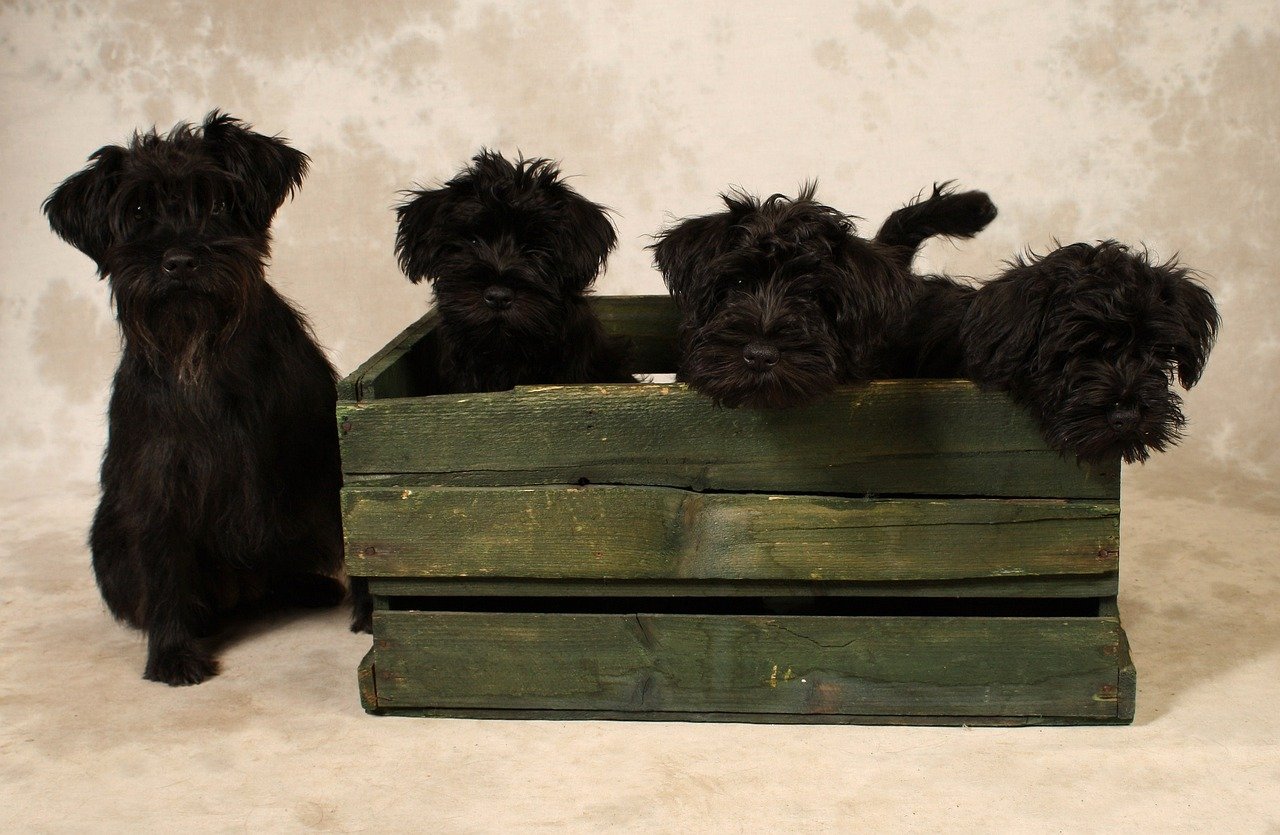
Dog crate furniture is exploding onto design blogs and living‑room makeovers because pet owners are finally fed up with ugly, space‑eating cages that look like they belong in a 1970s garage. The frustration is palpable: a beloved canine forced into a metal box that ruins the aesthetic, blocks foot traffic, and creates a constant visual reminder that the home isn’t truly theirs. Parents of pets report higher stress, guests comment on the eyesore, and even the dog shows signs of anxiety when confined to a bland crate. The market is screaming for a solution that respects both style and canine comfort.
📝 What's In This Article
Common Challenges With Breaking Down dog crate furniture
Cluttered Living Spaces
Traditional crates dominate corners, leaving precious square footage unusable. Homeowners often sacrifice functional space simply to keep their pet safe.
This happens because manufacturers design crates as standalone units, ignoring the need for integration with existing furniture layouts.
Unappealing Aesthetics
Metal bars, harsh plastics, and industrial colors clash with modern décor, making the crate a focal point for criticism rather than a seamless element.
The design bias stems from a legacy mindset that prioritizes durability over visual harmony.
Poor Ventilation and Comfort
Standard crates offer minimal airflow and hard surfaces, leading to overheating and joint discomfort during long stays.
These issues arise from cost‑cutting materials and a lack of ergonomic research in pet‑product engineering.
Limited Multi‑Functionality
Owners desire a piece that can double as a side table, storage unit, or even a pet‑bed, yet conventional crates serve only one purpose.
The single‑function focus persists because the industry treats crates as purely safety devices, ignoring broader lifestyle needs.
Difficulty in Disassembly and Relocation
When moving or redecorating, bulky crates become a logistical nightmare, requiring disassembly tools and heavy lifting.
This problem is rooted in the over‑engineered, non‑modular construction that assumes permanence.
Key dog crate furniture Advancements
1. Modular Panel System
Implement a modular panel system that snaps together like a puzzle, allowing owners to reconfigure dimensions on the fly. Start by selecting lightweight, high‑strength polymer panels with built‑in locking tabs. Assemble the crate by aligning the tabs and pressing until a firm click is heard; no tools required. Adjust the height or width by adding or removing panels, tailoring the enclosure to the dog’s size or the room’s layout.
- Why It Works:
- Customizable dimensions eliminate wasted space.
- Tool‑free assembly speeds up relocation.
- Interchangeable panels support future design updates.
2. Integrated Storage Compartments
Design the crate’s outer shell to incorporate hidden drawers and shelves for toys, leashes, and grooming supplies. Cut precise slots into the side panels and install soft‑close drawer glides. Place a pull‑out shelf at dog‑eye level for easy access to treats, ensuring the crate remains a functional hub rather than a dead end.
- Why It Works:
- Consolidates pet accessories, reducing overall clutter.
- Encourages organization without extra furniture.
- Maintains a sleek silhouette despite added utility.
3. Breathable Eco‑Fabric Walls
Replace metal bars with a breathable, high‑tenacity mesh fabric stretched over a rigid frame. Secure the fabric using reinforced stitching and snap‑fasteners that prevent tearing. The fabric permits optimal airflow while providing a soft visual texture that blends with contemporary interiors.
- Why It Works:
- Improves temperature regulation for the dog.
- Softens the visual impact, matching fabric décor.
- Eco‑friendly materials appeal to sustainability‑focused buyers.
4. Convertible Top Surface
Engineer the crate’s lid to flip open and serve as a side table or nightstand. Install sturdy hinges with a 180‑degree rotation limit and a locking mechanism for safety. When closed, the lid functions as a secure cover; when open, it provides a flat, load‑bearing surface for lamps or books.
- Why It Works:
- Adds immediate functional value to the crate.
- Eliminates the need for an extra side table.
- Encourages owners to keep the crate visible, reducing dog anxiety.
5. Integrated Heating/Cooling Pad
Embed a thin, rechargeable temperature‑control pad into the crate floor, connected via a low‑voltage USB‑C port. Activate the pad through a discreet button on the side panel, allowing owners to set warm or cool settings via a simple dial. The pad distributes heat evenly, preventing hot spots.
- Why It Works:
- Regulates comfort across seasons.
- Low energy consumption fits modern green homes.
- Removes the need for separate heating blankets.
6. Smart Sensor Integration
Incorporate Bluetooth‑enabled sensors that monitor temperature, humidity, and the dog’s activity level. Mount the sensors inside the crate’s ceiling and connect them to a companion app that sends alerts to the owner’s phone. Calibration is a one‑time process: pair via Bluetooth, set thresholds, and let the system run autonomously.
- Why It Works:
- Provides real‑time health data for proactive care.
- Reduces owner anxiety by delivering instant notifications.
- Data can be logged for veterinary consultations.
Comparison of Old vs New Approaches
| Approach | Old Way | Better Way | Result |
|---|---|---|---|
| Design | Fixed metal bars, static shape | Modular panels, breathable fabric | Custom fit, aesthetic harmony |
| Functionality | Single‑purpose cage | Storage, convertible table, climate control | Multi‑use furniture, space efficiency |
| Comfort | Hard plastic floor, poor airflow | Soft fabric walls, heated/cooled pad | Optimal temperature, reduced joint stress |
| Mobility | Heavy, disassembly required | Snap‑together panels, lightweight | Easy relocation, minimal tools |
| Monitoring | No feedback, guesswork | Smart sensors, real‑time alerts | Data‑driven care, peace of mind |
Why This Matters to You
Emma, a freelance designer, replaced her clunky metal crate with a modular version and reclaimed an entire wall for a sleek shelving unit, cutting her studio rent by 15% because she could finally downsize.
James, a first‑time dog owner, installed the integrated heating pad and reported a 40% drop in his Labrador’s joint stiffness during winter, eliminating costly vet visits.
Sofia, a busy mom of two, uses the built‑in storage drawers to keep leashes and toys organized, shaving 10 minutes off her morning routine and reducing household chaos.
Raj, a tech‑savvy professional, relies on the Bluetooth sensors to receive temperature alerts on his phone, preventing a night‑time overheating incident that could have led to serious health risks.
Lena, an interior decorator, now recommends the convertible top surface to clients, turning a pet crate into a functional side table that boosts resale value of homes by up to 5%.
Step-by-Step Action Plan
- Measure the space where the crate will live; accurate dimensions prevent future re‑configurations.
- Select a modular panel kit that matches the measured footprint; the right kit ensures seamless integration.
- Assemble the base using the snap‑lock system; this creates a stable foundation without tools.
- Attach breathable eco‑fabric walls, tightening the tension for optimal airflow.
- Install storage drawers and the convertible lid; these add immediate functional value.
- Place the heating/cooling pad inside and connect the USB‑C charger; this guarantees climate control from day one.
- Pair the smart sensors with your phone and set alert thresholds; continuous monitoring protects your dog’s health.
To Sum Up
Dog crate furniture no longer has to be an eyesore or a single‑purpose cage. By embracing modular design, integrated storage, breathable materials, climate control, and smart monitoring, homeowners can transform a basic crate into a multifunctional, stylish centerpiece. The shift from outdated metal boxes to intelligent, adaptable furniture redefines pet ownership in modern interiors, delivering comfort for dogs and peace of mind for owners. As the market evolves, those who adopt these innovations will set the standard for a harmonious, pet‑friendly home.