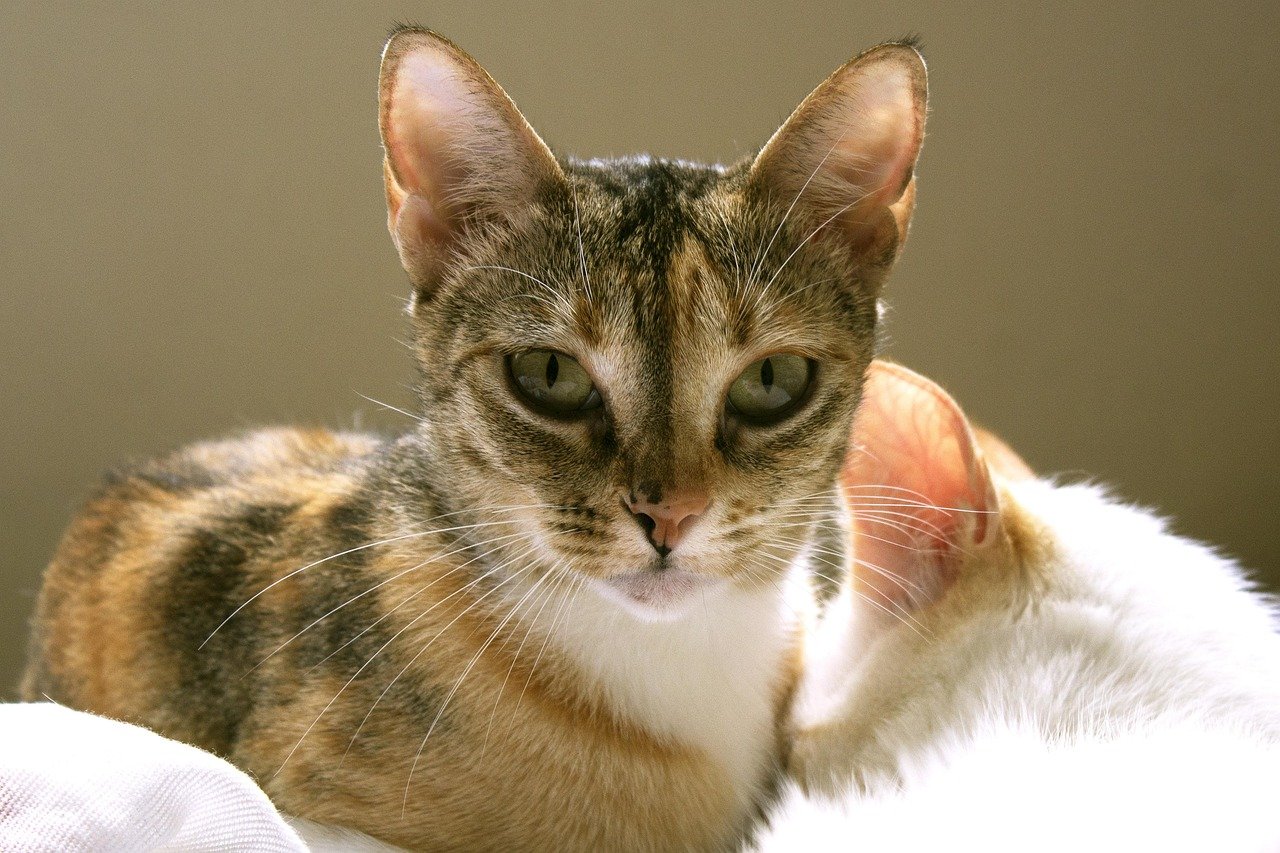
Most people assume that keeping a cat indoors is simply a matter of providing food, water, and a litter box, but this oversimplifies the complex needs of domesticated felines. Indoor cats require a stimulating environment that caters to their physical and mental health, which is often neglected in favor of convenience. The consequences of inadequate care can be severe, leading to obesity, boredom, and stress-related disorders. Despite the wealth of information available, many cat owners are unaware of the advanced strategies that can significantly improve their cat’s quality of life. By challenging common assumptions and exploring the latest research, it becomes clear that indoor cat care is a multifaceted discipline that demands attention to detail and a commitment to providing the best possible life for your feline companion. The benefits of advanced indoor cat care are numerous, from improved physical health to enhanced mental well-being, and it is essential to understand the intricacies of feline behavior and environmental needs to create a thriving indoor ecosystem.
📝 Contents
A Closer Look at Indoor Cat Care
Indoor cat care is a complex and nuanced field that requires a deep understanding of feline behavior, physiology, and psychology. Cats are naturally inclined to hunt, climb, and explore, and when these instincts are suppressed, they can become bored, anxious, or depressed. A well-designed indoor environment should provide ample opportunities for physical activity, mental stimulation, and social interaction. This can be achieved through the strategic placement of scratching posts, climbing structures, and toys that encourage natural hunting behavior. Furthermore, indoor cats require a balanced diet that meets their nutritional needs, as well as regular veterinary check-ups to monitor their health and detect potential problems early.
One of the most critical aspects of indoor cat care is providing an appropriate environment that mimics the natural habitat of wild felines. This includes creating vertical space for climbing and observing, as well as incorporating hiding places and sensory stimulation. The following comparison table highlights the key differences between a basic indoor cat environment and an advanced, enrichment-focused setup:
| Environment Type | Features | Benefits |
|---|---|---|
| Basic Indoor Environment | Food, water, litter box, minimal toys | Meets basic needs, but may lead to boredom and obesity |
| Advanced Indoor Environment | Scratching posts, climbing structures, interactive toys, hiding places | Promotes physical activity, mental stimulation, and social interaction |
| Enrichment-Focused Environment | Sensory stimulation, puzzle toys, food puzzle feeders, outdoor access | Enhances cognitive function, reduces stress, and increases overall well-being |
| Hybrid Environment | Combination of basic, advanced, and enrichment-focused elements | Provides a balanced and dynamic environment that caters to diverse feline needs |
By understanding the differences between these environment types, cat owners can create a tailored space that meets their cat’s unique needs and promotes overall health and happiness.
Indoor Cat Care Methods Worth Knowing
1. Vertical Space Utilization
Vertical space is essential for indoor cats, as it allows them to climb, observe, and exercise. By installing cat shelves, cat trees, or scratching posts, owners can provide their cats with a sense of freedom and autonomy. This, in turn, can help reduce stress and anxiety, while also promoting physical activity and flexibility.
Vertical space utilization is particularly important for indoor cats, as it enables them to engage in natural behavior such as climbing, stalking, and pouncing. By incorporating vertical elements into the indoor environment, owners can create a more stimulating and engaging space that caters to their cat’s instincts and needs.
Why It Works:
- Provides a sense of freedom and autonomy, reducing stress and anxiety
- Encourages physical activity and flexibility, promoting overall health and well-being
- Allows cats to engage in natural behavior, such as climbing, stalking, and pouncing
2. Sensory Stimulation
Sensory stimulation is vital for indoor cats, as it provides them with a sense of engagement and curiosity. By incorporating sensory-rich elements, such as catnip, scratching pads, and interactive toys, owners can create a more dynamic and stimulating environment. This, in turn, can help reduce boredom and stress, while also promoting cognitive function and overall well-being.
Sensory stimulation is particularly important for indoor cats, as it enables them to engage with their environment in a more meaningful way. By providing a variety of sensory experiences, owners can create a more enriching and fulfilling space that caters to their cat’s diverse needs and preferences.
Why It Works:
- Provides a sense of engagement and curiosity, reducing boredom and stress
- Encourages cognitive function and problem-solving skills, promoting mental stimulation
- Allows cats to engage with their environment in a more meaningful way, promoting overall well-being
3. Interactive Toy Rotation
Interactive toy rotation is essential for indoor cats, as it provides them with a constant stream of new and exciting experiences. By rotating toys regularly, owners can prevent boredom and keep their cats engaged and stimulated. This, in turn, can help reduce stress and anxiety, while also promoting physical activity and cognitive function.
Interactive toy rotation is particularly important for indoor cats, as it enables them to engage in natural hunting behavior and exercise their instincts. By providing a variety of toys and rotating them regularly, owners can create a more dynamic and engaging environment that caters to their cat’s diverse needs and preferences.
Why It Works:
- Provides a constant stream of new and exciting experiences, reducing boredom and stress
- Encourages physical activity and exercise, promoting overall health and well-being
- Allows cats to engage in natural hunting behavior, promoting cognitive function and problem-solving skills
4. Food Puzzle Feeders
Food puzzle feeders are an innovative way to provide indoor cats with a stimulating and engaging mealtime experience. By using puzzle toys that require problem-solving skills to access food, owners can promote cognitive function and reduce boredom. This, in turn, can help reduce stress and anxiety, while also promoting overall well-being and satisfaction.
Food puzzle feeders are particularly important for indoor cats, as they enable them to engage in natural foraging behavior and exercise their instincts. By providing a challenging and rewarding mealtime experience, owners can create a more dynamic and engaging environment that caters to their cat’s diverse needs and preferences.
Why It Works:
- Provides a stimulating and engaging mealtime experience, reducing boredom and stress
- Encourages cognitive function and problem-solving skills, promoting mental stimulation
- Allows cats to engage in natural foraging behavior, promoting overall well-being and satisfaction
5. Outdoor Access and Supervision
Outdoor access and supervision is essential for indoor cats, as it provides them with a sense of freedom and autonomy. By providing a safe and secure outdoor space, owners can allow their cats to engage in natural behavior and exercise their instincts. This, in turn, can help reduce stress and anxiety, while also promoting physical activity and overall well-being.
Outdoor access and supervision is particularly important for indoor cats, as it enables them to engage with their natural environment and exercise their senses. By providing a safe and secure outdoor space, owners can create a more dynamic and engaging environment that caters to their cat’s diverse needs and preferences.
Why It Works:
- Provides a sense of freedom and autonomy, reducing stress and anxiety
- Encourages physical activity and exercise, promoting overall health and well-being
- Allows cats to engage with their natural environment, promoting cognitive function and problem-solving skills
What This Means in Practice
✔ Reduced Stress and Anxiety
By providing a stimulating and engaging environment, indoor cat owners can reduce stress and anxiety in their cats. This can be achieved through the strategic use of vertical space, sensory stimulation, and interactive toys. By creating a more dynamic and engaging environment, owners can promote overall well-being and satisfaction in their cats.
✔ Improved Physical Health
Indoor cat owners can improve their cat’s physical health by providing a stimulating and engaging environment. This can be achieved through the strategic use of interactive toys, food puzzle feeders, and outdoor access. By promoting physical activity and exercise, owners can reduce the risk of obesity and related health problems.
✔ Enhanced Cognitive Function
Indoor cat owners can enhance their cat’s cognitive function by providing a stimulating and engaging environment. This can be achieved through the strategic use of sensory stimulation, interactive toys, and food puzzle feeders. By promoting cognitive function and problem-solving skills, owners can reduce the risk of boredom and stress-related disorders.
✔ Increased Social Interaction
Indoor cat owners can increase social interaction with their cats by providing a stimulating and engaging environment. This can be achieved through the strategic use of interactive toys, food puzzle feeders, and outdoor access. By promoting social interaction and bonding, owners can strengthen their relationship with their cats and improve overall well-being.
✔ Better Time Management
Indoor cat owners can better manage their time by providing a stimulating and engaging environment. This can be achieved through the strategic use of automated feeders, interactive toys, and outdoor access. By providing a more dynamic and engaging environment, owners can reduce the amount of time spent on cat care and increase the amount of time spent on other activities.
✔ Cost Savings
Indoor cat owners can save money by providing a stimulating and engaging environment. This can be achieved through the strategic use of DIY toys, food puzzle feeders, and outdoor access. By reducing the need for expensive toys and accessories, owners can save money and allocate it to other areas of their life.
What Researchers Are Working On
- Predicting the impact of indoor cat care on feline mental health
- Developing new technologies for indoor cat care
- Investigating the effects of indoor cat care on feline physical health
- Creating personalized indoor cat care plans
- Exploring the potential benefits of indoor cat care for human health
Researchers are currently studying the impact of indoor cat care on feline mental health, with a focus on stress, anxiety, and cognitive function. By understanding the relationship between indoor cat care and mental health, researchers can develop more effective strategies for promoting feline well-being.
Researchers are currently developing new technologies for indoor cat care, including automated feeders, interactive toys, and monitoring systems. By leveraging these technologies, owners can provide a more stimulating and engaging environment for their cats, while also reducing the amount of time spent on cat care.
Researchers are currently investigating the effects of indoor cat care on feline physical health, with a focus on obesity, diabetes, and cardiovascular disease. By understanding the relationship between indoor cat care and physical health, researchers can develop more effective strategies for promoting feline well-being.
Researchers are currently developing personalized indoor cat care plans, tailored to the unique needs and preferences of individual cats. By providing a more tailored approach to indoor cat care, owners can promote overall well-being and satisfaction in their cats.
Researchers are currently exploring the potential benefits of indoor cat care for human health, including reduced stress, anxiety, and depression. By understanding the relationship between indoor cat care and human health, researchers can develop more effective strategies for promoting overall well-being.
| Indoor Cat Care Strategy | Benefits | Challenges |
|---|---|---|
| Vertical Space Utilization | Reduced stress and anxiety, improved physical health | Requires significant space and investment |
| Sensory Stimulation | Improved cognitive function, reduced boredom | Can be time-consuming and require significant effort |
| Interactive Toy Rotation | Reduced stress and anxiety, improved physical health | Requires regular rotation and replacement of toys |
| Food Puzzle Feeders | Improved cognitive function, reduced boredom | Can be challenging for cats to learn and use |
The Big Picture
Indoor cat care is a complex and multifaceted discipline that requires attention to detail and a commitment to providing the best possible life for your feline companion. By understanding the advanced strategies and techniques outlined Here, owners can create a more stimulating and engaging environment that promotes overall well-being and satisfaction in their cats. Ultimately, the key to successful indoor cat care is to provide a dynamic and engaging environment that caters to the diverse needs and preferences of individual cats, and to continually adapt and evolve your approach as your cat grows and changes.
By prioritizing indoor cat care and providing a stimulating and engaging environment, owners can strengthen their bond with their cats and promote overall well-being and happiness. Whether through the strategic use of vertical space, sensory stimulation, or interactive toys, the possibilities for indoor cat care are endless, and the rewards are well worth the effort.
As researchers continue to explore the complexities of indoor cat care, it is clear that this field will continue to evolve and expand, providing new and innovative strategies for promoting feline well-being. By staying up-to-date with the latest research and developments, owners can ensure that their cats receive the best possible care and attention, and that their indoor cat care approach is always informed by the latest science and best practices.