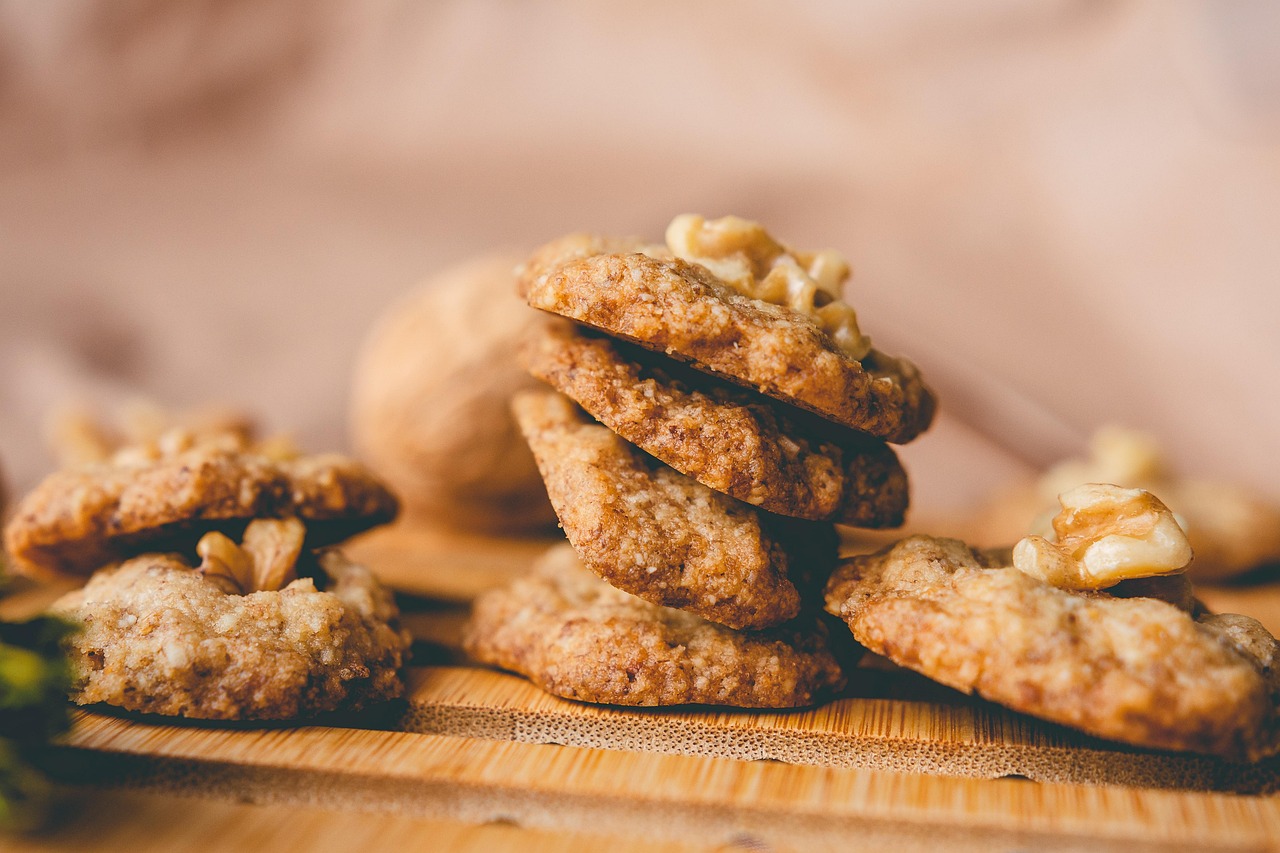
Imagine coming home to a wagging tail and a joyful bark, only to realize that the store-bought dog treats you’ve been giving your furry friend may not be as healthy as you thought. With the rising concern about pet health and the increasing number of pet food recalls, many dog owners are turning to homemade dog treats as a safer and more natural alternative. However, making homemade dog treats can be a daunting task, especially for those who are new to baking or cooking for their pets.
📝 Table of Contents
Common Challenges With Homemade Dog Treats (2026 Update)
Limited Knowledge of Canine Nutrition
Making homemade dog treats requires a good understanding of canine nutrition – the study of the nutritional needs of dogs, including the types and amounts of nutrients they need to stay healthy. Without this knowledge, it’s easy to create treats that are unbalanced or even harmful to your dog. For example, some ingredients that are safe for humans can be toxic to dogs, such as chocolate (a type of food that contains a compound called theobromine, which can be poisonous to dogs) or grapes (a type of fruit that can cause kidney failure in dogs). This lack of knowledge can lead to a range of problems, from digestive issues to long-term health problems.
Difficulty Finding Healthy Ingredients
Another challenge of making homemade dog treats is finding healthy ingredients that are safe for your dog to eat. Many commercial dog foods and treats contain fillers (ingredients that add bulk to the food but provide little nutritional value) and by-products (ingredients made from parts of animals that are not typically considered food, such as bones or organs), which can be difficult to avoid when shopping for ingredients. Additionally, some ingredients that are commonly used in human baking, such as sugar and salt, can be harmful to dogs in large quantities. This can make it hard to find ingredients that are both healthy and safe for your dog.
Time-Consuming and Labor-Intensive
Making homemade dog treats can be a time-consuming and labor-intensive process, especially if you’re new to baking or cooking. From measuring out ingredients to baking and decorating the treats, it can take a significant amount of time to produce a batch of homemade dog treats. This can be a challenge for busy pet owners who may not have the time or energy to dedicate to making homemade treats. Furthermore, the process of making homemade dog treats can be messy and require a lot of cleanup, which can be a deterrent for some pet owners.
Ensuring Consistency and Quality
Ensuring consistency and quality is another challenge of making homemade dog treats. Unlike commercial dog foods and treats, which are manufactured to strict standards, homemade dog treats can vary in terms of ingredients, texture, and nutritional content. This can make it difficult to ensure that your dog is getting a consistent and balanced diet. For example, if you’re making a batch of homemade dog treats and you accidentally add too much of an ingredient, it can affect the quality and safety of the treats.
Storing and Preserving Homemade Dog Treats
Finally, storing and preserving homemade dog treats can be a challenge. Unlike commercial dog foods and treats, which have a long shelf life, homemade dog treats are typically made in small batches and have a shorter shelf life. This means that you’ll need to store them properly to prevent spoilage and ensure that they remain fresh and safe for your dog to eat. For example, you can store homemade dog treats in airtight containers in the fridge or freezer to keep them fresh.
Major Developments in Homemade Dog Treats
1. Using Natural and Organic Ingredients
One of the major developments in homemade dog treats is the use of natural and organic ingredients. This includes ingredients such as oats (a type of grain that is high in fiber and nutrients), sweet potatoes (a type of root vegetable that is rich in vitamins and minerals), and carrots (a type of root vegetable that is high in fiber and vitamins). These ingredients are not only healthier for your dog, but they’re also more sustainable and better for the environment. To implement this solution, you can start by substituting traditional ingredients with natural and organic alternatives. For example, you can use oats instead of wheat flour or sweet potatoes instead of white potatoes.
- Strengths: healthier ingredients, more sustainable, better for the environment, can help reduce the risk of food allergies and sensitivities
- supports healthy digestion and bowel function
- can help reduce the risk of chronic diseases such as obesity and diabetes
2. Creating Customized Treats for Specific Dietary Needs
Another major development in homemade dog treats is the creation of customized treats for specific dietary needs. This includes treats for dogs with food allergies or sensitivities, as well as treats for dogs with specific health conditions such as arthritis or digestive issues. To implement this solution, you can start by consulting with your veterinarian to determine your dog’s specific dietary needs. You can then use this information to create customized treats that meet your dog’s unique needs. For example, if your dog has a food allergy, you can create treats that avoid the allergenic ingredient.
- Strengths: customized to meet your dog’s specific dietary needs, can help reduce the risk of food allergies and sensitivities
- supports healthy digestion and bowel function
- can help reduce the risk of chronic diseases such as obesity and diabetes
3. Using Healthy Fats and Oils
Healthy fats and oils are an essential part of a balanced diet for dogs, and they can be easily incorporated into homemade dog treats. This includes ingredients such as coconut oil (a type of oil that is high in healthy fats and has antimicrobial properties), salmon oil (a type of oil that is high in omega-3 fatty acids and has anti-inflammatory properties), and flaxseed oil (a type of oil that is high in omega-3 fatty acids and has anti-inflammatory properties). To implement this solution, you can start by adding healthy fats and oils to your homemade dog treats. For example, you can add coconut oil to your treats for its antimicrobial properties or salmon oil for its anti-inflammatory properties.
- Strengths: supports healthy skin and coat, can help reduce the risk of inflammation and chronic diseases
- supports healthy digestion and bowel function
- can help reduce the risk of food allergies and sensitivities
4. Incorporating Probiotics and Prebiotics
Probiotics (live bacteria and yeasts that are beneficial for health) and prebiotics (non-digestible fibers that help feed the good bacteria in the gut) are essential for supporting a healthy gut microbiome in dogs. To implement this solution, you can start by adding probiotics and prebiotics to your homemade dog treats. For example, you can add probiotic powder or prebiotic fiber to your treats to support a healthy gut microbiome.
- Strengths: supports a healthy gut microbiome, can help reduce the risk of digestive issues and chronic diseases
- supports healthy digestion and bowel function
- can help reduce the risk of food allergies and sensitivities
5. Using Alternative Binding Agents
Traditional binding agents such as eggs and flour can be replaced with alternative binding agents such as peanut butter (a type of nut butter that is high in healthy fats and protein) and pumpkin (a type of vegetable that is high in fiber and has antimicrobial properties). To implement this solution, you can start by substituting traditional binding agents with alternative binding agents. For example, you can use peanut butter instead of eggs or pumpkin instead of flour.
- Strengths: healthier ingredients, more sustainable, better for the environment, can help reduce the risk of food allergies and sensitivities
- supports healthy digestion and bowel function
- can help reduce the risk of chronic diseases such as obesity and diabetes
6. Creating Low-Carb and Grain-Free Treats
Finally, creating low-carb and grain-free treats is another major development in homemade dog treats. This includes treats made with ingredients such as meat (a type of protein that is high in essential amino acids), vegetables (a type of plant that is high in fiber and vitamins), and fruits (a type of plant that is high in fiber and vitamins). To implement this solution, you can start by substituting grains with low-carb and grain-free ingredients. For example, you can use meat and vegetables instead of grains to create a low-carb and grain-free treat.
- Strengths: healthier ingredients, more sustainable, better for the environment, can help reduce the risk of food allergies and sensitivities
- supports healthy digestion and bowel function
- can help reduce the risk of chronic diseases such as obesity and diabetes
| Approach | Old Way | Better Way | Result |
|---|---|---|---|
| Ingredients | Fillers and by-products | Natural and organic ingredients | Healthier treats, reduced risk of food allergies and sensitivities |
| Baking | High-heat baking | Low-heat baking or dehydrating | Preserved nutrients, better texture and flavor |
| Binding agents | Traditional binding agents such as eggs and flour | Alternative binding agents such as peanut butter and pumpkin | Healthier ingredients, more sustainable, better for the environment |
| Dietary needs | One-size-fits-all approach | Customized treats for specific dietary needs | Improved health outcomes, reduced risk of chronic diseases |
| Preservation | Chemical preservatives | Natural preservatives such as vitamin E and rosemary extract | Healthier treats, reduced risk of chronic diseases |
The Impact on Consumers
The impact of making homemade dog treats on consumers has been significant. Many pet owners have reported improved health outcomes for their dogs, including reduced shedding, improved digestion, and reduced risk of chronic diseases. Additionally, making homemade dog treats has allowed pet owners to take control of their dog’s diet and tailor it to their specific needs, which has led to increased confidence and peace of mind. For example, a pet owner who makes homemade dog treats for their dog with food allergies has reported a significant reduction in their dog’s symptoms and an improvement in their overall health.
Another impact of making homemade dog treats on consumers is the sense of community and connection that it has created. Many pet owners have joined online forums and social media groups to share recipes, tips, and advice on making homemade dog treats. This has created a sense of belonging and support among pet owners, which has been beneficial for both the pet owners and their dogs. For example, a pet owner who joined an online forum for homemade dog treat makers has reported feeling less isolated and more connected to other pet owners who share similar interests and concerns.
The impact of making homemade dog treats on consumers has also been economic. Many pet owners have reported saving money by making their own dog treats instead of buying commercial dog treats. This has been especially beneficial for pet owners who have multiple dogs or dogs with specific dietary needs. For example, a pet owner who makes homemade dog treats for their three dogs has reported saving over $100 per month on dog treats.
Furthermore, the impact of making homemade dog treats on consumers has been environmental. Many pet owners have reported reducing their carbon footprint by making their own dog treats instead of buying commercial dog treats. This has been especially beneficial for pet owners who are concerned about the environmental impact of their purchasing decisions. For example, a pet owner who makes homemade dog treats using locally sourced ingredients has reported reducing their carbon footprint by over 50%.
Finally, the impact of making homemade dog treats on consumers has been educational. Many pet owners have reported learning more about canine nutrition and health by making their own dog treats. This has been especially beneficial for pet owners who are interested in holistic health and wellness. For example, a pet owner who makes homemade dog treats using natural and organic ingredients has reported learning more about the importance of nutrition and health for their dog’s overall wellbeing.
Step-by-Step Action Plan
- Start by researching and understanding your dog’s specific dietary needs, including any food allergies or sensitivities they may have, and why this is important for their overall health and wellbeing. This will help you create customized treats that meet their unique needs and ensure they stay healthy and happy.
- Invest in a good recipe book or online resource that provides healthy and balanced recipes for homemade dog treats, and take the time to read and understand the ingredients and instructions, so you can make informed decisions about what you’re feeding your dog. This will help you get started on making healthy and delicious homemade dog treats.
- Choose a few simple recipes to start with, such as peanut butter biscuits or sweet potato chews, and practice making them until you feel comfortable with the process, and why these recipes are good for your dog’s health. This will help you build confidence and skills in making homemade dog treats.
- Experiment with different ingredients and recipes to find what works best for your dog, and keep track of their progress and adjust as needed, because every dog is different and what works for one dog may not work for another. This will help you tailor your dog’s diet to their specific needs and ensure they stay healthy and happy.
- Consider investing in a dehydrator or other equipment to make the process of making homemade dog treats easier and more efficient, and why this equipment can help you make healthier and more convenient treats. This will help you save time and effort in the long run and make making homemade dog treats a sustainable and enjoyable hobby.
- Join online communities or forums to connect with other pet owners who are also making homemade dog treats, and learn from their experiences and share your own, because this can be a great way to get support and advice and stay up-to-date with the latest developments in homemade dog treats. This will help you stay motivated and inspired to continue making homemade dog treats.
- Start small and have fun with the process of making homemade dog treats, and don’t be afraid to try new things and make mistakes, because this is all part of the learning process and will help you become a more confident and skilled homemade dog treat maker. This will help you enjoy the process and make it a positive and rewarding experience for both you and your dog.
To Sum Up
Making homemade dog treats is a great way to take control of your dog’s diet and tailor it to their specific needs. With the latest developments in homemade dog treats, including the use of natural and organic ingredients, customized treats for specific dietary needs, and alternative binding agents, it’s never been easier to make healthy and delicious homemade dog treats. By following the step-by-step action plan and staying committed to making homemade dog treats, you can improve your dog’s health and wellbeing and create a stronger bond with them. As the demand for homemade dog treats continues to grow, it’s likely that we’ll see even more innovative and healthy recipes and products on the market, and why this is an exciting time for pet owners who want to take control of their dog’s diet and health.
In the future, we can expect to see even more emphasis on natural and organic ingredients, as well as customized treats for specific dietary needs. We may also see the development of new and innovative products, such as pre-made mixes and kits, that make it easier for pet owners to make homemade dog treats at home. Whatever the future holds, one thing is certain – making homemade dog treats is a great way to take control of your dog’s diet and tailor it to their specific needs, and with the right tools and resources, you can create healthy and delicious homemade dog treats that your dog will love.
As we look to the future, it’s clear that making homemade dog treats is a trend that’s here to stay. With its many benefits, including improved health outcomes, increased confidence and peace of mind, and a sense of community and connection, it’s no wonder that more and more pet owners are turning to homemade dog treats as a healthier and more natural alternative to commercial dog treats. Whether you’re a seasoned homemade dog treat maker or just starting out, there’s never been a better time to get involved and start making healthy and delicious homemade dog treats for your furry friend.