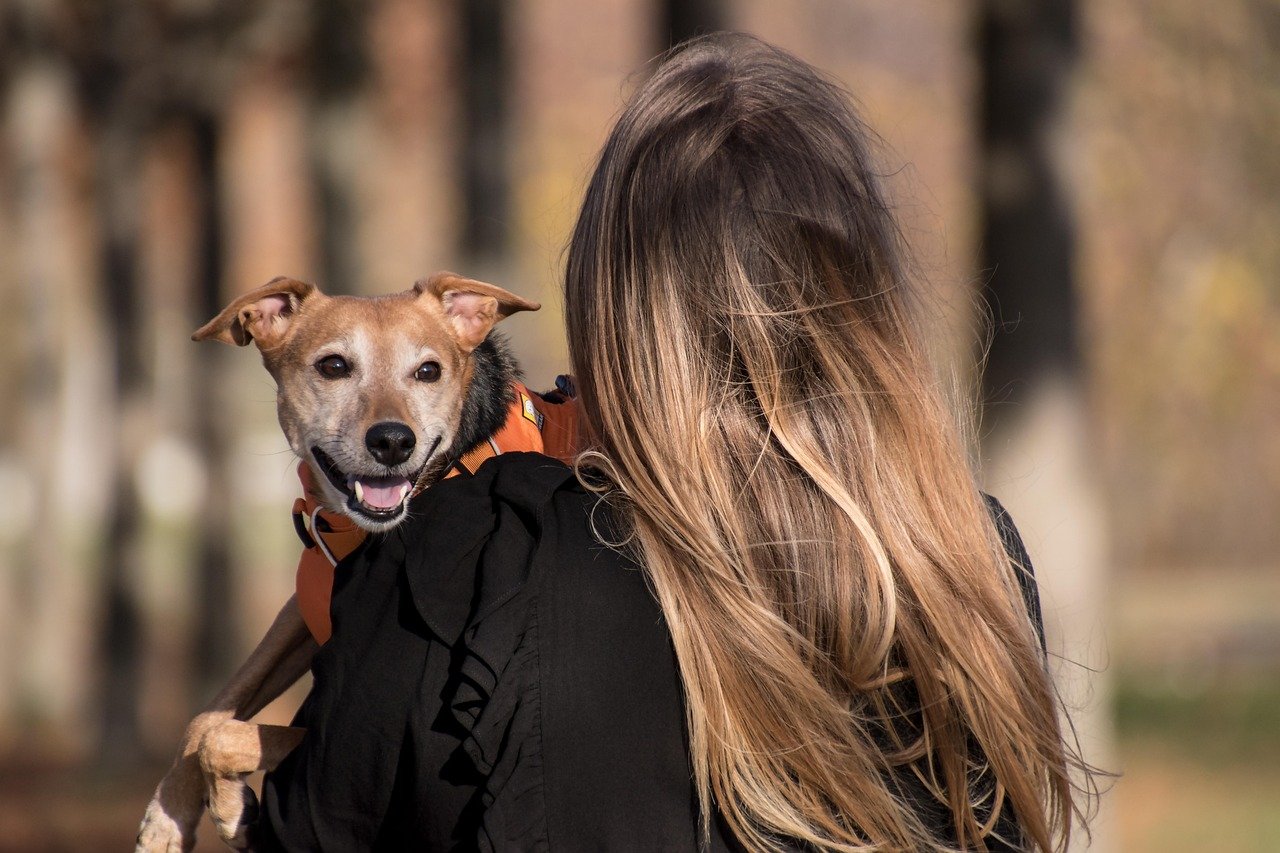
A trip to the local pet store with a friend’s rambunctious Golden Retriever, Max, turned into an enlightening experience about dog harnesses. Max’s owner was frustrated with his dog’s tendency to pull on the leash, making walks more of a tug-of-war than a enjoyable stroll. The store owner recommended a well-fitting dog harness, explaining how it could make a significant difference. After the switch, Max’s walks became much more manageable, and his owner was thrilled. But what makes a dog harness so effective, and how do you choose the right one? Many people misunderstand the purpose and benefits of dog harnesses, often viewing them as merely an alternative to collars. However, they offer much more than that. With the right harness, walks can become a pleasure for both the dog and the owner. The key is understanding what to look for and how to properly use a dog harness.
📝 Contents
Defining Dog Harness
A dog harness is essentially a piece of equipment worn by a dog to help with walks, runs, and other activities. Unlike collars, which can put pressure on a dog’s neck, harnesses distribute the force across the dog’s chest and shoulders, making them a safer option, especially for dogs that pull or have respiratory issues. The first step in choosing the right harness is understanding the different types available. There are back-clip harnesses, which are great for well-behaved dogs, and front-clip harnesses, which are better for dogs that pull, as they can help steer the dog back towards the owner.
The context in which a dog harness is used can greatly affect its effectiveness. For instance, active dogs that love running or hiking with their owners benefit greatly from a durable, well-padded harness. On the other hand, smaller dogs might require lighter, more breathable options to ensure comfort during shorter, more casual walks. The following comparison table highlights key differences between popular types of dog harnesses:
| Harness Type | Best For | Key Features |
|---|---|---|
| Back-Clip Harness | Well-behaved dogs, casual walks | Easy to put on, minimal restriction |
| Front-Clip Harness | Dogs that pull, training | Helps with steering, discourages pulling |
| Head Harness | Strong pullers, dogs with breathing issues | Gives more control, reduces neck strain |
| Vest Harness | Cold weather, visibility | Provides warmth, reflective for safety |
Dog Harness Methods Worth Knowing
1. Introduction to Harnesses for Puppies
Introducing a puppy to a harness can be a bit challenging, but with patience and the right approach, it can be a smooth process. Start by letting the puppy get used to the sight and smell of the harness, then gradually introduce it to wearing the harness indoors. Positive reinforcement with treats and praise can encourage the puppy to accept the harness willingly. The key is to make the experience positive and not rushed.
Detailed introduction involves choosing a harness that is adjustable and made of comfortable, puppy-friendly materials. It’s also crucial to ensure the harness is put on correctly to avoid any discomfort or safety issues. A well-fitting harness should allow for a couple of fingers to fit snugly under the straps.
- Gradual introduction reduces anxiety and stress associated with new objects and sensations.
- Positive reinforcement encourages desired behavior, in this case, accepting the harness.
- Choosing the right material and fit ensures the puppy’s comfort and safety.
Why It Works:
2. Training with a Front-Clip Harness
Training a dog that pulls on the leash can be frustrating, but a front-clip harness can be a valuable tool. By attaching the leash to the front of the harness, when the dog pulls, it naturally turns its body back towards the owner, discouraging the pulling behavior. Consistency and patience are key, as changing behavior takes time.
The process involves setting clear goals for the training sessions, such as achieving a certain level of walk compliance, and rewarding progress. It’s also essential to choose a front-clip harness that fits well and is comfortable for the dog to wear during extended periods of training.
- The mechanics of the front-clip harness provide a gentle, yet effective way to steer the dog back towards the owner.
- Consistent training reinforces desired behaviors, helping the dog understand what is expected.
- Positive reinforcement, such as treats and praise, motivates the dog to comply with the training.
Why It Works:
3. Choosing the Right Size
Choosing the right size of dog harness is crucial for the dog’s comfort and safety. A harness that is too small can cause discomfort and restrict movement, while one that is too large can lead to the dog slipping out of it. Measuring the dog accurately is the first step, taking into account the girth and neck size for most harness types.
The selection process also involves considering the dog’s breed, age, and activity level. For instance, a highly active dog may require a more durable harness, while a puppy may need an adjustable harness to accommodate growth. Consulting with a veterinarian or a professional dog trainer can provide valuable insights into selecting the perfect size.
- Accurate measurements ensure a proper fit, preventing discomfort and potential health issues.
- Considering the dog’s specific needs, such as breed and activity level, helps in choosing a harness that meets those requirements.
- A well-fitting harness enhances the overall walking experience, reducing the risk of the dog slipping out or experiencing distress.
Why It Works:
4. Adjusting the Harness for Comfort
Adjusting the harness for comfort is essential to ensure the dog enjoys walks without any distress. This involves not just the initial fitting but also periodic checks to accommodate any changes in the dog’s size or the harness’s wear over time. The goal is to maintain a snug fit that does not restrict the dog’s movement.
The adjustment process should be done carefully, taking into account the dog’s body language and reactions. If the dog shows signs of discomfort, such as trying to remove the harness or displaying anxiety, it may be necessary to readjust or even consider a different harness type. Regular inspections of the harness for wear and tear can also prevent any safety issues.
- Regular adjustments ensure the harness remains comfortable and safe for the dog.
- Paying attention to the dog’s feedback, such as body language, helps in identifying and addressing any discomfort.
- Maintenance of the harness, including cleaning and inspection, prolongs its lifespan and ensures it remains in good condition.
Why It Works:
5. Introducing a Harness to an Older Dog
Introducing a harness to an older dog can be more challenging than with a puppy, due to potential health issues and less flexibility. However, with a gentle and gradual approach, many older dogs can adapt well to wearing a harness. It’s crucial to consider any health conditions, such as arthritis, and choose a harness that is comfortable and easy to put on.
The introduction should start with short sessions, allowing the dog to become familiar with the harness at its own pace. Positive reinforcement can be particularly motivating for older dogs, who may appreciate the extra attention and rewards. Consulting with a veterinarian is advisable to ensure the introduction of the harness does not exacerbate any existing health conditions.
- A gradual introduction respects the older dog’s boundaries and comfort level, reducing stress.
- Choosing a harness that accommodates any health issues ensures the dog’s safety and comfort.
- Positive reinforcement provides a stimulating and rewarding experience for the older dog.
Why It Works:
The Impact on Consumers
✔ Improved Walk Quality
The use of a dog harness can significantly improve the quality of walks for both the dog and the owner. By reducing pulling and providing better control, walks become more enjoyable and less stressful. This improvement in walk quality enhances the overall experience, making it more likely for owners to engage in regular walks with their dogs.
✔ Enhanced Safety
Dog harnesses enhance safety by providing a secure way to walk dogs, especially in areas with heavy traffic or other potential hazards. Unlike collars, which can put pressure on a dog’s neck, harnesses distribute the force more safely, reducing the risk of neck injuries.
✔ Increased Comfort
A well-fitting dog harness is designed to provide comfort for the dog, allowing for a full range of motion without restricting the dog’s movements. This comfort is crucial for dogs that are sensitive or have health conditions that may be exacerbated by discomfort or strain.
✔ Better Training Outcomes
Utilizing a dog harness, particularly a front-clip harness, can lead to better training outcomes. By discouraging pulling and providing a clear form of communication, owners can more effectively train their dogs to walk on a leash without pulling.
✔ Versatility
Dog harnesses come in a variety of styles and types, offering versatility for different dogs and activities. From back-clip to front-clip, and from simple to more complex designs, there’s a harness suitable for almost any dog and owner preference.
✔ Durability
A high-quality dog harness is designed to be durable, withstand regular use, and resist wear and tear. This durability ensures that the harness remains a safe and reliable tool for walks and training over time.
What Researchers Are Working On
- Predicting the rise of smart dog harnesses that can monitor a dog’s health and activity levels, providing owners with valuable insights into their dog’s well-being.
- Developing dog harnesses with built-in safety features, such as reflective materials and GPS tracking, to enhance safety during nighttime walks and in low-visibility conditions.
- Investigating the potential health benefits of dog harnesses for dogs with specific medical conditions, such as arthritis or respiratory issues.
- Creating dog harnesses from sustainable and eco-friendly materials, appealing to the growing demographic of environmentally conscious pet owners.
- Designing dog harnesses for specific activities, such as hiking or running, to meet the unique needs of dogs engaged in these activities.
Researchers are exploring how technology can be integrated into dog harnesses to create smart products. These smart harnesses could track a dog’s heart rate, temperature, and other vital signs, offering a new level of care and monitoring. This technology could be particularly beneficial for dogs with health conditions that require close monitoring.
The focus on safety is driving innovation in dog harness design. By incorporating reflective materials and GPS technology, owners can have peace of mind when walking their dogs in conditions where visibility is poor. This could significantly reduce the risk of accidents and help in locating lost dogs more efficiently.
There is ongoing research into how dog harnesses can support dogs with medical conditions. By distributing the force of the leash across the dog’s body rather than concentrating it on the neck, harnesses can help alleviate strain and discomfort. This could lead to recommendations for the use of specific types of harnesses for dogs with certain health issues.
As concern for the environment grows, so does the demand for products made from sustainable materials. The pet industry, including dog harness manufacturers, is responding by developing products that are not only functional and comfortable but also eco-friendly. This trend is expected to continue, with more pet owners seeking out sustainable options for their pets.
Recognizing that different activities have different requirements, manufacturers are designing dog harnesses tailored to specific needs. For hiking, for example, a harness might include additional padding for comfort during long treks and features for carrying small items like water and snacks. This specialization can enhance the dog’s experience and safety during these activities.
| Material | Durability | Comfort | Eco-Friendliness |
|---|---|---|---|
| Nylon | High | Good | Low |
| Polyester | Medium | Fair | Medium |
| Cotton | Low | Excellent | High |
| Recycled Materials | Variable | Variable | Very High |
Worth Remembering
The choice and use of a dog harness can significantly impact the quality of life for both dogs and their owners. By understanding the different types of harnesses, their benefits, and how to introduce them to dogs of various ages and needs, owners can enhance their walking experiences and strengthen their bond with their pets. As technology and design continue to evolve, the future of dog harnesses looks promising, with potential advancements in safety, comfort, and sustainability. Ultimately, the key to getting the most out of a dog harness is a combination of the right choice, proper use, and a commitment to the dog’s comfort and well-being.
The impact of dog harnesses extends beyond the individual dog and owner, contributing to a broader culture of pet care and responsibility. As more owners opt for harnesses over traditional collars, the pet industry responds with innovations and improvements, driving a positive feedback loop of care and innovation.
In the end, the decision to use a dog harness is not just about the product itself but about the relationship it facilitates between dogs and their owners, and the values of care, safety, and companionship that underpin this relationship.