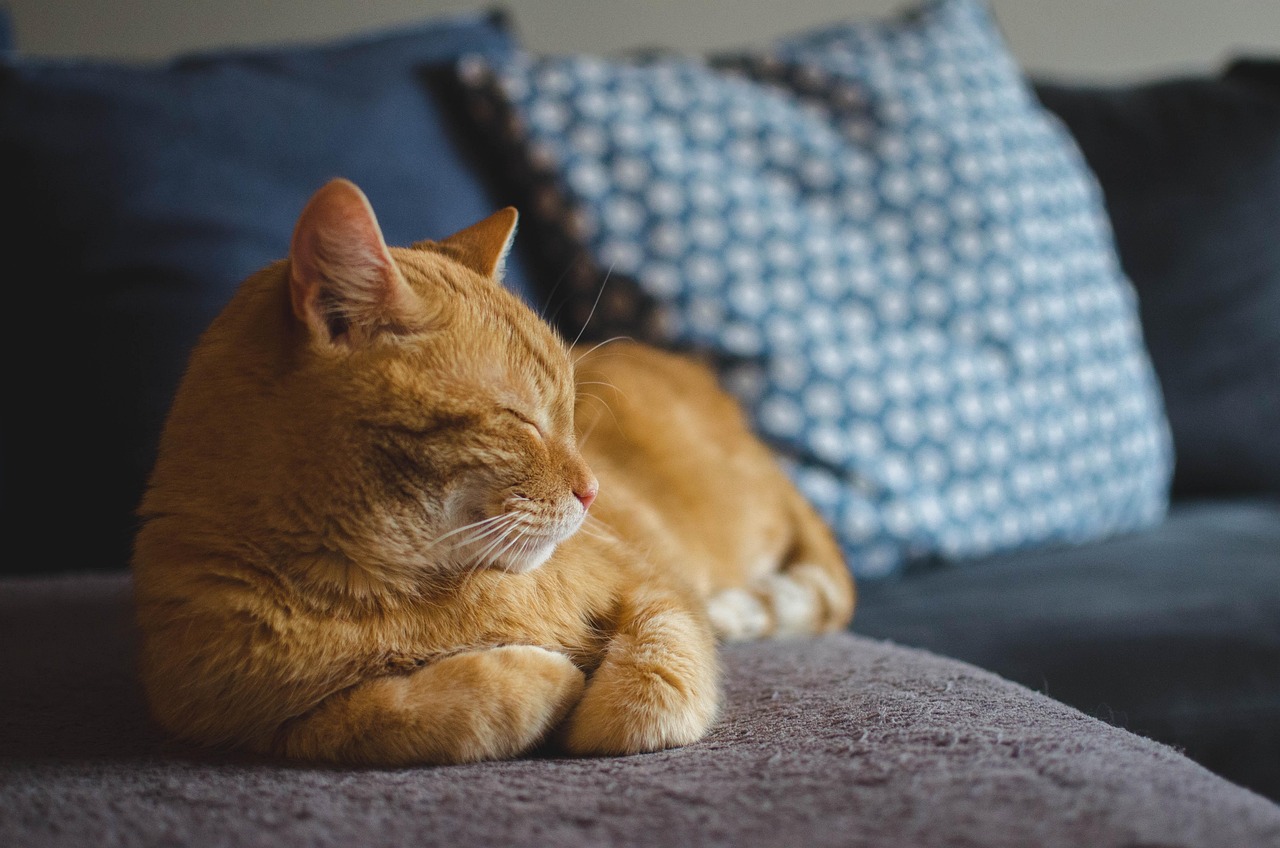
For anyone who has recently discovered the fascinating world of cat behavior, it can be both intriguing and overwhelming to navigate the numerous resources available. Cat behavior problems – myths debunked is a topic that is gaining attention right now, as more pet owners seek to understand and resolve issues with their feline companions. With the rise of pet ownership and the increasing interest in animal behavior, it’s no wonder that cat behavior problems are at the forefront of discussion. As a beginner, it’s essential to start with the basics and understand what these problems entail. Cat behavior problems refer to any unusual or undesirable actions exhibited by cats, such as aggression, excessive meowing, or inappropriate elimination – behaviors that can be distressing for both the cat and its owner. By exploring this topic, cat owners can better comprehend their pets’ needs and work towards creating a more harmonious living environment.
📝 Article Overview
Breaking Down Cat Behavior Problems
Cat behavior problems can be complex and multifaceted, involving a combination of genetic, environmental, and social factors – (factors that influence how a cat behaves and interacts with its surroundings). To grasp these problems, it’s crucial to understand key terms, such as anthropomorphism – (the attribution of human characteristics or behavior to non-human entities, like cats), environmental enrichment – (the process of enhancing a cat’s surroundings to stimulate its natural behaviors and reduce stress), and classical conditioning – (a learning process in which a cat associates a stimulus with a particular response). Understanding these concepts is vital for addressing cat behavior problems effectively.
| Term | Plain-English Meaning |
|---|---|
| Anthropomorphism | Attributing human characteristics or behavior to non-human entities, like cats. |
| Environmental Enrichment | Enhancing a cat’s surroundings to stimulate its natural behaviors and reduce stress. |
| Classical Conditioning | A learning process in which a cat associates a stimulus with a particular response. |
| Operant Conditioning | A type of learning in which a cat’s behavior is modified by its consequences, such as rewards or punishments. |
| Desensitization | A process of gradually exposing a cat to a stimulus that causes anxiety or fear, to reduce its negative response. |
| Counterconditioning | A technique used to associate a feared stimulus with a positive outcome, to reduce a cat’s anxiety or fear response. |
Why Cat Behavior Problems Matters
Cat behavior problems can have a significant impact on both the cat and its owner. For instance, a cat exhibiting aggressive behavior may lead to injuries for the owner or other pets in the household. In the United States alone, approximately 4.5 million people are bitten by cats each year, resulting in substantial medical expenses and emotional distress. Furthermore, unresolved behavior problems can lead to the relinquishment of cats to shelters, where they may face euthanasia due to overcrowding and limited resources. According to the American Society for the Prevention of Cruelty to Animals (ASPCA), about 3.2 million cats enter animal shelters every year, with roughly 860,000 being euthanized. Understanding and addressing cat behavior problems is essential to prevent such outcomes and ensure the well-being of both cats and their owners.
In addition to the emotional and financial burdens, cat behavior problems can also have a profound impact on the human-animal bond. When cat owners are equipped with the knowledge and skills to address behavior issues, they can strengthen their relationship with their pets, leading to a more fulfilling and enjoyable companionship. A study conducted by the Journal of Veterinary Behavior found that cat owners who participated in a behavior modification program experienced a significant improvement in their cat’s behavior, as well as an increase in their overall satisfaction with their pet. By debunking myths and understanding the facts behind cat behavior problems, owners can take the first step towards creating a more harmonious and loving environment for their feline companions.
The importance of addressing cat behavior problems extends beyond the individual cat and its owner, as it also has implications for the broader community. For example, cats with behavioral issues may be more likely to engage in destructive behavior, such as scratching furniture or urinating outside the litter box, which can lead to conflicts with neighbors and damage to property. By providing education and resources on cat behavior, animal welfare organizations and veterinarians can help promote a culture of responsible pet ownership and reduce the incidence of behavior-related problems. According to a survey conducted by the International Association of Animal Behavior Consultants, 75% of cat owners reported that their pet’s behavior problems were resolved or improved after seeking professional help, highlighting the effectiveness of expert guidance in addressing these issues.
Latest Cat Behavior Technologies
1. Clicker Training
Clicker training is a technique used to modify a cat’s behavior by associating a specific sound (the ‘click’) with a reward, such as treats or praise. This method is based on operant conditioning, where the cat learns to perform a desired behavior in response to the click. To use clicker training, start by choosing a quiet area with minimal distractions and have some treats ready. Begin by clicking the clicker and immediately rewarding your cat with a treat, then gradually introduce the desired behavior, such as sitting or staying. A common beginner mistake is to click too late or too early, which can confuse the cat and undermine the training process.
- What You Gain: Improved communication with your cat, increased responsiveness to commands, and a stronger bond between you and your pet.
- Enhanced problem-solving skills and adaptability in your cat, as it learns to associate the click with the desired behavior.
2. Environmental Enrichment
Environmental enrichment involves modifying a cat’s surroundings to stimulate its natural behaviors and reduce stress. This can include adding scratching posts, climbing structures, or sensory stimulation, such as catnip or treats. To implement environmental enrichment, start by observing your cat’s preferences and interests, then introduce new elements gradually to avoid overwhelming your pet. For example, if your cat enjoys climbing, consider adding a cat tree or shelves to provide vertical space. A common mistake is to over-enrich the environment, which can lead to sensory overload and stress.
- What You Gain: Reduced stress and anxiety in your cat, as well as increased physical activity and mental stimulation.
- Improved overall well-being and quality of life for your cat, as it engages in natural behaviors and exercises its instincts.
3. Desensitization and Counterconditioning
Desensitization and counterconditioning are techniques used to address fear or anxiety-related behaviors in cats. Desensitization involves gradually exposing a cat to a feared stimulus, while counterconditioning associates the stimulus with a positive outcome. To use these techniques, start by identifying the feared stimulus and creating a hierarchy of exposure levels, from low to high. Begin with the lowest level and reward your cat for calm behavior, then gradually increase the exposure level while maintaining a positive association. A common mistake is to progress too quickly, which can exacerbate the cat’s fear or anxiety.
- What You Gain: Reduced fear and anxiety in your cat, as well as increased confidence and calmness in the presence of the feared stimulus.
- Improved ability to manage and overcome phobias or anxiety disorders in your cat, leading to a more stable and secure environment.
4. Positive Reinforcement Training
Positive reinforcement training is a method that focuses on rewarding desired behaviors, rather than punishing undesired ones. This approach is based on operant conditioning and can be used to address a wide range of behavior problems, from aggression to house soiling. To use positive reinforcement training, start by identifying the desired behavior and choosing a reward, such as treats or praise. Begin by rewarding the behavior immediately after it occurs, then gradually phase out the rewards as the behavior becomes more consistent. A common mistake is to use punishment or negative reinforcement, which can undermine the training process and create anxiety in the cat.
- What You Gain: Increased motivation and engagement in your cat, as well as improved responsiveness to commands and desired behaviors.
- Enhanced trust and bond between you and your cat, as positive reinforcement training promotes a supportive and encouraging environment.
5. Behavioral Medications
Behavioral medications can be used to address severe behavior problems, such as aggression or anxiety disorders, in cats. These medications can help reduce stress and anxiety, making it easier to implement behavioral modifications. To use behavioral medications, consult with a veterinarian or a veterinary behaviorist to determine the most suitable medication and dosage for your cat. A common mistake is to rely solely on medication, without addressing the underlying behavioral issues.
- What You Gain: Reduced stress and anxiety in your cat, as well as increased calmness and relaxation in stressful situations.
- Improved ability to manage and overcome severe behavior problems, leading to a more stable and secure environment for your cat.
6. Litter Box Management
Litter box management involves maintaining a clean and attractive litter box to encourage proper elimination behavior in cats. This includes scooping the litter box daily, changing the litter completely every 7-10 days, and providing an adequate number of litter boxes (at least one per cat, plus one extra). To implement effective litter box management, start by observing your cat’s litter box preferences and adjusting the litter type, size, and location accordingly. A common mistake is to neglect litter box maintenance, which can lead to house soiling and other behavioral issues.
- What You Gain: Improved litter box habits in your cat, as well as reduced incidence of house soiling and other elimination-related behavior problems.
- Enhanced overall health and hygiene for your cat, as a clean litter box reduces the risk of disease transmission and infection.
7. Owner Education and Support
Owner education and support involve providing cat owners with the knowledge, skills, and resources needed to address behavior problems effectively. This can include consulting with a veterinarian or a veterinary behaviorist, attending workshops or seminars, and participating in online forums or support groups. To access owner education and support, start by researching local resources and online communities, then reach out to professionals or experienced cat owners for guidance and advice. A common mistake is to rely solely on online information, without consulting with a qualified professional.
- What You Gain: Increased confidence and competence in addressing cat behavior problems, as well as improved ability to recognize and respond to behavioral issues.
- Enhanced support network and community, providing encouragement, guidance, and resources to help you overcome challenges and achieve success.
| Step | What You Do | Expected Result |
|---|---|---|
| 1. Clicker Training | Use a clicker to associate a specific sound with a reward, such as treats or praise. | Improved communication with your cat and increased responsiveness to commands. |
| 2. Environmental Enrichment | Modify your cat’s surroundings to stimulate its natural behaviors and reduce stress. | Reduced stress and anxiety in your cat, as well as increased physical activity and mental stimulation. |
| 3. Desensitization and Counterconditioning | Gradually expose your cat to a feared stimulus, while associating it with a positive outcome. | Reduced fear and anxiety in your cat, as well as increased confidence and calmness in the presence of the feared stimulus. |
| 4. Positive Reinforcement Training | Reward desired behaviors, rather than punishing undesired ones, to encourage positive change. | Increased motivation and engagement in your cat, as well as improved responsiveness to commands and desired behaviors. |
| 5. Behavioral Medications | Use medications to address severe behavior problems, such as aggression or anxiety disorders, in cats. | Reduced stress and anxiety in your cat, as well as increased calmness and relaxation in stressful situations. |
| 6. Litter Box Management | Maintain a clean and attractive litter box to encourage proper elimination behavior in cats. | Improved litter box habits in your cat, as well as reduced incidence of house soiling and other elimination-related behavior problems. |
| 7. Owner Education and Support | Provide cat owners with the knowledge, skills, and resources needed to address behavior problems effectively. | Increased confidence and competence in addressing cat behavior problems, as well as improved ability to recognize and respond to behavioral issues. |
Frequently Asked Questions
1. What are the most common cat behavior problems?
The most common cat behavior problems include aggression, house soiling, excessive meowing, and destructive behavior. These issues can be caused by a variety of factors, such as medical problems, environmental changes, or lack of socialization and training. Addressing these problems early on can help prevent them from becoming more severe and ingrained.
2. How can I address my cat’s aggression?
To address your cat’s aggression, it’s essential to identify the underlying cause and develop a plan to modify the behavior. This may involve desensitization and counterconditioning, positive reinforcement training, or behavioral medications, depending on the severity and nature of the aggression. Consulting with a veterinarian or a veterinary behaviorist can provide valuable guidance and support in addressing this complex issue.
3. Why is my cat not using the litter box?
Cats may avoid using the litter box due to a variety of reasons, including medical issues, dirty or unappealing litter, or inadequate litter box size or location. To address this problem, it’s crucial to investigate the underlying cause and make necessary adjustments, such as cleaning the litter box more frequently, changing the litter type, or providing additional litter boxes. If the problem persists, consulting with a veterinarian can help rule out underlying medical issues.
4. Can I train my cat to do tricks?
Yes, cats can be trained to perform tricks and behaviors using positive reinforcement techniques, such as clicker training or reward-based training. Start with simple commands, such as ‘sit’ or ‘stay,’ and gradually introduce more complex behaviors, such as ‘shake’ or ‘play dead.’ Be patient and consistent, and remember to reward your cat with treats and praise for desired behaviors.
5. How can I create a more stimulating environment for my cat?
To create a more stimulating environment for your cat, consider adding toys, scratching posts, and climbing structures to encourage physical activity and mental stimulation. You can also provide sensory stimulation, such as catnip or treats, to engage your cat’s senses and promote exploration. Rotate toys and activities regularly to prevent boredom and keep your cat engaged and active.
What It All Means
Understanding cat behavior problems and addressing them effectively is crucial for creating a harmonious and loving environment for both cats and their owners. By debunking myths and exploring the facts behind these issues, cat owners can take the first step towards resolving behavioral challenges and strengthening their bond with their pets. With patience, persistence, and the right guidance, cat owners can help their feline companions thrive and enjoy a happy, healthy life. The path to understanding and addressing cat behavior problems may seem daunting, but with the right approach and support, it can be a rewarding and enriching experience for both cats and their owners.
As cat owners, it’s essential to approach behavior problems with empathy and understanding, recognizing that these issues often stem from underlying medical, environmental, or social factors. By working together with veterinarians, veterinary behaviorists, and other experts, cat owners can access the knowledge, skills, and resources needed to address behavior problems effectively and create a more supportive and nurturing environment for their pets.
Ultimately, addressing cat behavior problems is a path that requires dedication, compassion, and a commitment to understanding and meeting the needs of our feline companions. By embracing this path and seeking guidance and support when needed, cat owners can help their pets overcome behavioral challenges and thrive in a loving and supportive environment.