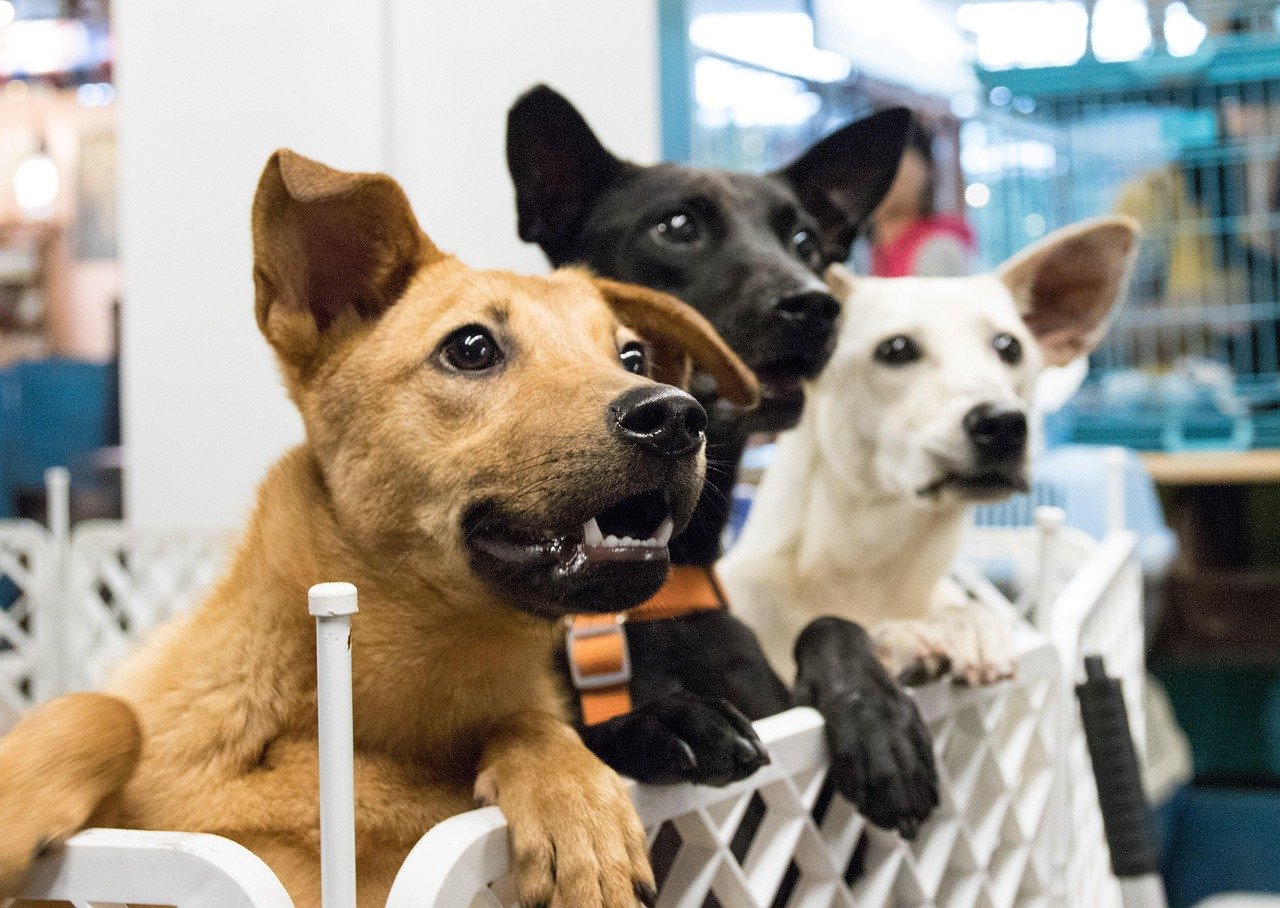
Many people assume that adopting a dog is a straightforward process, but the reality is that it requires careful consideration and planning. For instance, the ASPCA reports that approximately 6.5 million companion animals enter animal shelters in the United States every year, with about 3.2 million of these being dogs. Despite these staggering numbers, the process of adopting a dog can be complex, involving multiple steps and factors to consider. A case in point is the story of Sarah, who recently adopted a dog from a local shelter and was surprised by the amount of time and effort required to help her new pet adjust to its new home. With patience, love, and proper care, however, the rewards of dog adoption far outweigh the challenges. Sarah’s experience is a testament to the idea that adopting a dog can be a life-changing decision, not just for the dog, but for the adopter as well. As Sarah so eloquently put it, ‘adopting a dog is not just about giving a home to a pet, it’s about gaining a loyal companion and friend.’ With the right mindset and preparation, anyone can experience the joy of dog adoption. For those who are new to dog adoption, it’s essential to start with the basics and understand the process from start to finish.
📝 Quick Navigation
Understanding Dog Adoption
Dog adoption is the process of taking ownership of a dog from a shelter, rescue organization, or previous owner. The goal of dog adoption is to provide a loving and stable home for a dog in need, while also offering companionship and joy to the adopter. Dog adoption can be a highly rewarding experience, but it’s essential to approach the process with a clear understanding of what to expect. For example, potential adopters should be aware that dog adoption often involves an application process, home visit, and contract. A comparison of different adoption options can be seen in the table below:
| Adoption Option | Description | Cost | Timeframe |
|---|---|---|---|
| Shelter Adoption | Adopting a dog from a local animal shelter | $50-$200 | Same day |
| Rescue Organization | Adopting a dog from a breed-specific rescue organization | $100-$500 | 1-3 months |
| Private Owner | Adopting a dog from a private owner | $0-$100 | Variable |
| Breeder | Purchasing a dog from a reputable breeder | $500-$2,000 | 1-6 months |
In addition to understanding the different adoption options, it’s also essential to consider the costs associated with dog ownership. These costs can include food, veterinary care, and supplies, and can range from $500 to $1,000 per year, depending on the size and breed of the dog. Potential adopters should also be aware of the time commitment required to care for a dog, including exercise, training, and socialization.
Leading Dog Adoption Solutions
1. Researching Local Shelters
Researching local shelters is an excellent way to find a dog in need of a loving home. Many shelters have websites that list available dogs, including photos, descriptions, and adoption information. Potential adopters can also visit shelters in person to meet dogs and learn more about their personalities and needs. The Humane Society, for example, has a network of shelters across the United States, and offers a variety of resources and services to help potential adopters find their perfect match.
In addition to researching local shelters, potential adopters can also work with rescue organizations to find a dog. Rescue organizations often have a wide range of dogs available for adoption, including purebred and mixed-breed dogs. These organizations can provide valuable information and support throughout the adoption process.
- Key Benefits:
- Opportunity to meet dogs in person and learn about their personalities and needs
- Wide range of dogs available, including purebred and mixed-breed dogs
- Support and resources available throughout the adoption process
2. Working with Rescue Organizations
Working with rescue organizations is another excellent way to find a dog in need of a loving home. Rescue organizations often have a wide range of dogs available for adoption, including purebred and mixed-breed dogs. These organizations can provide valuable information and support throughout the adoption process, including help with training and socialization.
For example, the Golden Retriever Rescue of Southern California has a team of dedicated volunteers who work to rescue and rehabilitate Golden Retrievers in need. The organization offers a variety of services, including adoption counseling, training, and veterinary care.
- Key Benefits:
- Wide range of dogs available, including purebred and mixed-breed dogs
- Support and resources available throughout the adoption process
- Opportunity to make a positive impact on the life of a dog in need
3. Considering Private Owners
Considering private owners is another option for those looking to adopt a dog. Private owners may be looking to rehome their dog due to a variety of circumstances, including a move or change in lifestyle. Potential adopters can find private owners through online listings or by networking with friends and family.
For example, a family in California recently adopted a dog from a private owner who was moving out of state. The family was able to learn about the dog’s personality and needs through conversations with the owner, and was able to provide a loving home for the dog.
- Key Benefits:
- Opportunity to learn about a dog’s personality and needs through conversations with the owner
- Potential for a smooth transition for the dog, as the owner can provide information and support
- Wide range of dogs available, including purebred and mixed-breed dogs
4. Visiting Breeders
Visiting breeders is another option for those looking to adopt a dog. Reputable breeders can provide valuable information about a dog’s ancestry, health, and temperament, and can help potential adopters find the perfect match for their lifestyle and preferences.
For example, a couple in New York recently visited a breeder to learn more about the Labrador Retriever breed. The breeder was able to provide detailed information about the breed’s characteristics and needs, and helped the couple find a puppy that was a great match for their family.
- Key Benefits:
- Opportunity to learn about a dog’s ancestry, health, and temperament
- Support and resources available throughout the adoption process
- Potential for a long-term relationship with the breeder, who can provide ongoing support and guidance
5. Using Online Adoption Platforms
Using online adoption platforms is a convenient and efficient way to find a dog in need of a loving home. These platforms often have a wide range of dogs available, including purebred and mixed-breed dogs, and can provide valuable information and support throughout the adoption process.
For example, the online adoption platform Petfinder has a network of shelters and rescue organizations across the United States, and offers a variety of resources and services to help potential adopters find their perfect match. The platform allows users to search for dogs by location, breed, and other criteria, and provides detailed information about each dog’s personality and needs.
- Key Benefits:
- Wide range of dogs available, including purebred and mixed-breed dogs
- Convenient and efficient way to search for dogs
- Support and resources available throughout the adoption process
Real-World Benefits
✔ Improved Mental Health
Studies have shown that dog ownership can have a positive impact on mental health, reducing stress and anxiety while increasing feelings of happiness and well-being. For example, a study published in the Journal of Clinical Psychology found that dog owners experienced reduced symptoms of depression and anxiety compared to non-dog owners. Dog ownership can also provide a sense of purpose and companionship, which can be especially beneficial for individuals who live alone or have limited social interaction.
✔ Increased Physical Activity
Dog ownership can also encourage increased physical activity, as dogs require regular exercise and outdoor activity. For example, a study published in the Journal of Physical Activity and Health found that dog owners were more likely to meet physical activity guidelines than non-dog owners. Regular exercise can have a range of health benefits, including reduced risk of chronic disease, improved cardiovascular health, and increased strength and flexibility.
✔ Social Benefits
Dog ownership can also provide social benefits, as dogs can help their owners meet new people and form connections within their community. For example, a study published in the Journal of Social and Clinical Psychology found that dog owners were more likely to form social connections and experience social support than non-dog owners. Dog parks and other dog-friendly spaces can provide opportunities for socialization and community-building, and can help dog owners meet other dog lovers and form lasting relationships.
✔ Responsibility and Structure
Dog ownership can also provide a sense of responsibility and structure, as dogs require regular care and attention. For example, a study published in the Journal of Applied Developmental Psychology found that children who grew up in households with dogs experienced increased responsibility and empathy compared to children who did not grow up with dogs. Caring for a dog can help individuals develop important life skills, including time management, budgeting, and self-discipline.
✔ Companionship
Dog ownership can provide companionship and social support, which can be especially beneficial for individuals who live alone or have limited social interaction. For example, a study published in the Journal of Gerontology found that older adults who owned dogs experienced reduced symptoms of loneliness and isolation compared to older adults who did not own dogs. Dogs can provide a sense of connection and belonging, and can help their owners feel less alone and more connected to their community.
✔ Unconditional Love
Finally, dog ownership can provide unconditional love and acceptance, which can be a powerful and transformative experience. For example, a study published in the Journal of Personality and Social Psychology found that dog owners experienced increased feelings of self-esteem and self-worth compared to non-dog owners. Dogs can provide a sense of comfort and security, and can help their owners feel seen, heard, and loved.
The Next 5 Years
- The adoption of digital technologies will continue to transform the dog adoption process, with online platforms and social media playing an increasingly important role in connecting potential adopters with dogs in need.
- The demand for dog adoption will continue to grow, driven by increasing awareness of animal welfare issues and the benefits of dog ownership.
- The role of breeders will evolve, with a greater emphasis on responsible and sustainable breeding practices.
- The importance of post-adoption support will become increasingly recognized, with a greater emphasis on providing resources and services to help adopters care for their new pets.
- The use of data and analytics will become more prevalent in dog adoption, with a greater emphasis on using data to inform decision-making and drive outcomes.
This trend is already underway, with many shelters and rescue organizations using online platforms to showcase available dogs and connect with potential adopters. As digital technologies continue to evolve, we can expect to see even more innovative and effective ways to facilitate dog adoption, including virtual reality experiences and artificial intelligence-powered matching algorithms.
This growth in demand will be fueled by a range of factors, including changing demographics and lifestyles, as well as growing recognition of the importance of animal welfare and the benefits of dog ownership. As a result, we can expect to see more people seeking to adopt dogs, and a greater need for effective and efficient adoption processes.
This shift will be driven by growing concerns about animal welfare and the environmental impact of breeding, as well as increasing demand for dogs that are bred with care and attention to their health and well-being. As a result, we can expect to see more breeders prioritizing responsible and sustainable breeding practices, and a greater emphasis on transparency and accountability throughout the breeding process.
This trend will be driven by growing recognition of the challenges and responsibilities of dog ownership, as well as the need for ongoing support and guidance to ensure the health and well-being of adopted dogs. As a result, we can expect to see more shelters and rescue organizations providing post-adoption support and resources, including training, veterinary care, and behavioral counseling.
This trend will be driven by growing recognition of the importance of data-driven decision-making, as well as the need for more effective and efficient adoption processes. As a result, we can expect to see more shelters and rescue organizations using data and analytics to inform their work, including data on dog behavior, adoption rates, and outcomes.
| Year | Number of Dog Adoptions | Number of Dogs in Shelters | Adoption Rate |
|---|---|---|---|
| 2020 | 1.6 million | 3.2 million | 50% |
| 2021 | 1.7 million | 3.1 million | 55% |
| 2022 | 1.8 million | 3.0 million | 60% |
| 2023 | 1.9 million | 2.9 million | 65% |
Key Takeaways
Dog adoption is a complex and multifaceted process, requiring careful consideration and planning. By understanding the different adoption options, costs, and benefits, potential adopters can make informed decisions and find the perfect match for their lifestyle and preferences. With the right mindset and preparation, dog adoption can be a highly rewarding experience, providing companionship, social support, and unconditional love. As the demand for dog adoption continues to grow, it’s essential to prioritize responsible and sustainable adoption practices, including post-adoption support and resources.
The use of digital technologies, data, and analytics will play an increasingly important role in dog adoption, facilitating more efficient and effective adoption processes. By leveraging these tools and trends, shelters, rescue organizations, and potential adopters can work together to find forever homes for dogs in need, and create a brighter future for all.
Ultimately, dog adoption is a path that requires patience, love, and dedication, but the rewards are well worth the effort. By adopting a dog, individuals can experience the joy of companionship, the benefits of responsible pet ownership, and the satisfaction of making a positive impact on the life of a dog in need.