Challenging Common Assumptions
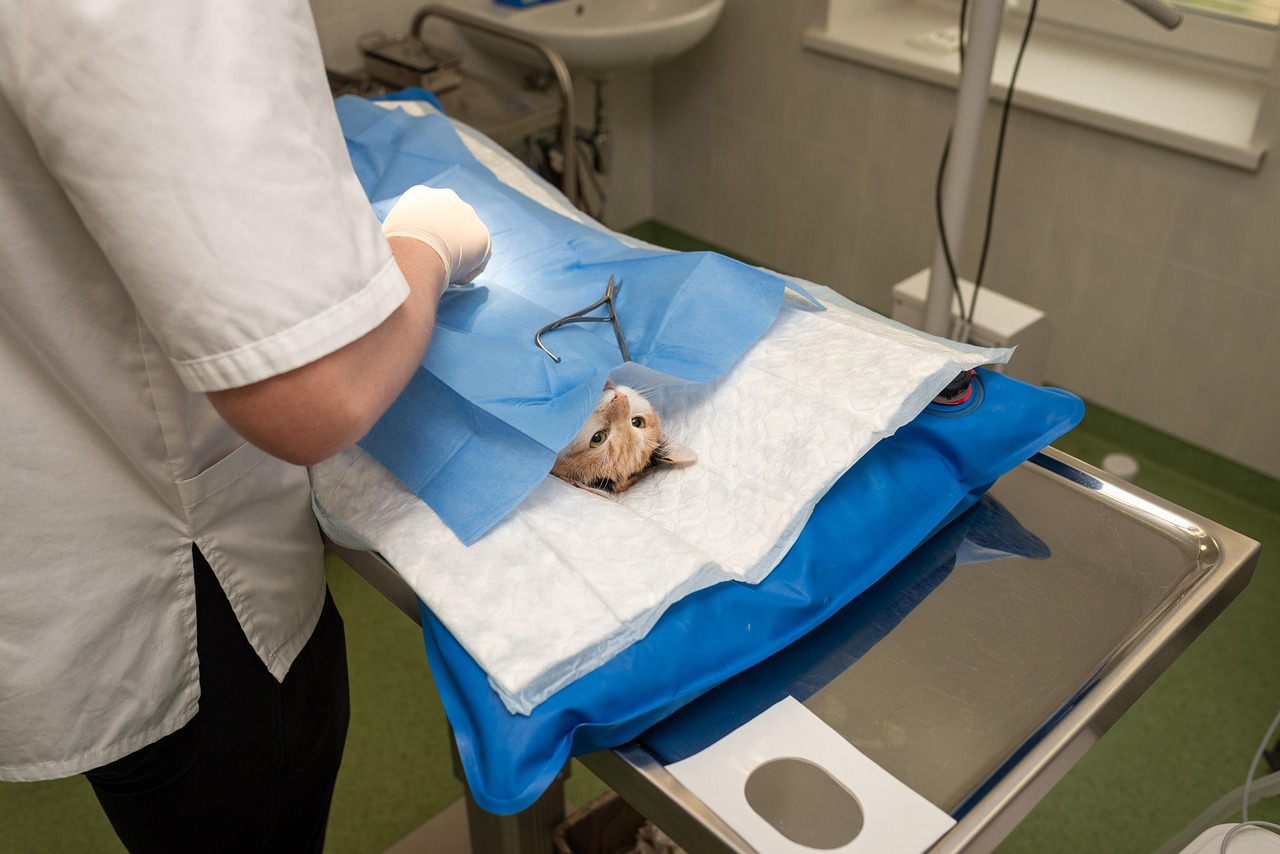
Many people assume that cats are low-maintenance pets that don’t require much attention when it comes to their health. However, like any living being, cats are susceptible to a variety of health problems that can significantly impact their quality of life. For a beginner who has just discovered the world of cat care, understanding these health issues is crucial. Cats can’t communicate their discomfort or pain in the same way humans do, making it essential for cat owners to be proactive. Regular veterinary check-ups and a keen eye for changes in behavior or physical condition can make all the difference. By being informed, cat owners can help prevent or manage health issues.
📝 Contents
What Does Cat Health Mean?
Cat health encompasses the physical and psychological well-being of a cat. It includes the absence of disease, the proper functioning of body systems, and the cat’s ability to thrive in its environment. Maintaining good health in cats requires a combination of proper nutrition, regular exercise, mental stimulation, and timely veterinary care. Understanding key terms related to cat health is vital for any cat owner.
| Term | Plain-English Meaning |
|---|---|
| Veterinary Care | Medical care provided by a veterinarian to diagnose, treat, and prevent diseases in cats. |
| Nutrition | The process of providing a cat with the necessary nutrients for optimal health, through a balanced diet. |
| Vaccination | The process of administering vaccines to protect cats against infectious diseases. |
| Parasite Control | Measures taken to prevent or eliminate external or internal parasites that can affect a cat’s health. |
| Behavioral Health | The psychological well-being of a cat, including the absence of stress, anxiety, or other behavioral issues. |
| Genetic Disorders | Health conditions that are inherited from a cat’s parents, such as certain types of blindness or deafness. |
Why Cat Health Problems Matter
Understanding and addressing cat health problems is essential for several reasons. Firstly, cats that receive proper care and attention to their health issues tend to live longer and have a better quality of life. For instance, a study by the American Association of Feline Practitioners found that indoor cats can live up to 17 years or more with proper care, compared to outdoor cats whose lifespan averages around 5 years. Secondly, managing health problems in cats can prevent the spread of zoonotic diseases – diseases that can be transmitted from animals to humans. Lastly, being proactive about cat health can reduce the financial burden of veterinary care in the long run. Regular check-ups and preventive measures can identify potential issues before they become severe and costly to treat.
A real-world example of the importance of proactive cat health care is the story of a cat named Max. Max was a beloved family pet who suddenly stopped eating and became lethargic. After a prompt visit to the vet, it was discovered that Max had developed a severe case of kidney disease, a common health issue in older cats. Thanks to early detection and proper management, Max was able to live for several more years with a good quality of life. This example highlights the impact of attentive care on the well-being of cats.
In addition to the benefits for the cats themselves, understanding and managing health problems can also strengthen the bond between cat and owner. When cat owners are knowledgeable about common health issues and take steps to prevent or manage them, they demonstrate a deep level of care and commitment to their pets. This can lead to a more fulfilling and rewarding relationship for both parties. For example, learning how to provide basic first aid or recognizing the signs of illness can empower cat owners and reduce anxiety related to their pet’s health.
Key Cat Health Advancements
1. Advanced Diagnostic Techniques
Advanced Diagnostic Techniques
Advanced diagnostic techniques, such as MRI and CT scans, have significantly improved the ability to accurately diagnose health problems in cats. These technologies allow for non-invasive or minimally invasive examinations, reducing the stress and risk associated with traditional diagnostic methods. For instance, an MRI can provide detailed images of a cat’s internal organs, helping veterinarians to pinpoint issues such as tumors or kidney disease. However, a common beginner mistake is not preparing the cat properly for these procedures, which can lead to inaccurate results or the need for repeat scans. Advanced diagnostic techniques
Strengths:
- High accuracy in diagnosing complex health issues
- Minimally invasive, reducing stress and risk to the cat
2. Personalized Nutrition Plans
Personalized nutrition plans are tailored to meet the specific dietary needs of each cat, taking into account factors such as age, health status, and lifestyle. This approach can help prevent or manage health problems related to nutrition, such as obesity or food allergies. Implementing a personalized nutrition plan involves consulting with a veterinarian to determine the best diet for the cat, and then adhering to the recommended feeding schedule and portions. A common mistake among beginners is switching a cat’s food too frequently, which can cause digestive upset.
Strengths:
- Addresses specific nutritional needs, potentially preventing health issues
- Can improve the overall health and well-being of the cat
3. Preventive Care through Vaccination
Vaccination is a crucial aspect of preventive care for cats, protecting them against serious and potentially life-threatening diseases. Vaccines work by stimulating the cat’s immune system to recognize and fight specific pathogens. The core vaccines for cats include those for rabies, feline viral rhinotracheitis, calicivirus, and panleukopenia. Beginners often overlook the importance of booster shots, which are necessary to maintain immunity over time.
Strengths:
- Protects cats from serious and potentially fatal diseases
- Prevents the spread of diseases within cat populations
4. Effective Parasite Control Measures
Effective parasite control is vital for maintaining a cat’s health, as parasites can cause a range of health issues from mild discomfort to life-threatening conditions. Measures include the use of flea and tick preventatives, heartworm medication, and deworming treatments. Implementing these measures requires understanding the types of parasites that are prevalent in the cat’s environment and selecting the appropriate control methods. A common mistake is underestimating the risk of parasites, particularly in indoor cats, which can still be exposed to parasites through contact with outdoor cats or contaminated soil. Effective parasite control
Strengths: discover more
- Prevents health issues caused by external and internal parasites
- Reduces the risk of zoonotic diseases
5. Behavioral Health Support
Behavioral health support is increasingly recognized as a critical component of overall cat health. This includes addressing issues such as anxiety, aggression, and inappropriate elimination. Techniques for supporting behavioral health include environmental enrichment, positive reinforcement training, and, in some cases, medication. Beginners often overlook the impact of environmental factors on a cat’s behavioral health, such as changes in the household or lack of stimulation.
Strengths:
- Improves the psychological well-being of cats
- Strengthens the bond between cat and owner
6. Genetic Testing and Counseling
Genetic testing and counseling can help identify cats that are at risk for certain genetic disorders. This information can be used to make informed decisions about breeding or to provide targeted care and management for affected cats. For example, genetic tests can identify cats that are carriers of the gene for hypertrophic cardiomyopathy, a common cause of heart disease in cats. A common mistake among breeders and owners is not using genetic testing to inform breeding decisions, which can perpetuate the prevalence of genetic disorders.
Strengths:
- Helps in the early identification of genetic health issues
- Informs breeding decisions to reduce the incidence of genetic disorders
7. Telemedicine and Online Resources
Telemedicine and online resources have expanded access to veterinary care and information, allowing cat owners to consult with veterinarians remotely and access a wealth of health advice and support. This can be particularly useful for cats that are stressed by vet visits or for owners who live in remote areas. Implementing telemedicine involves finding a reputable service and understanding its limitations, such as the need for physical examinations in some cases. Beginners might overlook the importance of verifying the credentials of online resources and veterinarians offering telemedicine services. online resources have
Strengths: learn more about this
- Increases access to veterinary care and advice
- Provides cat owners with a wealth of health information and resources
| Step | What You Do | Expected Result |
|---|---|---|
| 1. Advanced Diagnostic Techniques | Utilize advanced imaging technologies for accurate diagnoses. | Accurate and timely diagnosis of health issues. |
| 2. Personalized Nutrition Plans | Develop and follow a tailored nutrition plan for your cat. | Improved health and prevention of nutrition-related issues. |
| 3. Preventive Care through Vaccination | Vaccinate your cat against key diseases. | Protection against serious and potentially fatal diseases. |
| 4. Effective Parasite Control Measures | Implement measures to control external and internal parasites. | Prevention of parasite-related health issues and zoonotic diseases. |
| 5. Behavioral Health Support | Address behavioral issues through environmental enrichment and training. | Improved psychological well-being and stronger cat-owner bond. |
| 6. Genetic Testing and Counseling | Use genetic testing to identify potential health risks. | Informed decisions for breeding or care, reducing genetic disorders. |
| 7. Telemedicine and Online Resources | Utilize telemedicine and online resources for advice and care. | Increased access to veterinary care and health information. |
Frequently Asked Questions
What are the most common health issues in cats?
Common health issues in cats include dental disease, obesity, diabetes, arthritis, and hyperthyroidism. Regular veterinary check-ups can help identify these issues early on. For instance, a study found that over 50% of cats aged 3 and above have some form of dental disease, highlighting the importance of regular dental care.
How often should I take my cat to the vet?
The frequency of veterinary visits depends on the cat’s age, health status, and lifestyle. Generally, kittens and senior cats require more frequent visits, typically every 3-6 months, while healthy adult cats may only need annual check-ups. It’s also important to seek veterinary advice if any signs of illness or injury are observed.
What is the best way to keep my cat’s teeth clean?
The best way to keep your cat’s teeth clean is through a combination of regular brushing, providing dental chews or toys, and scheduling professional dental cleanings with a veterinarian. Daily brushing is ideal, but if this is not feasible, aim for at least 2-3 times a week. There are also specially formulated cat foods designed to help reduce dental plaque and tartar.
Can cats see colors like humans do?
Cats have limited color vision compared to humans. They can see blues and violets but have difficulty distinguishing between reds and greens. This is because cats have fewer types of cones in their retina, the cells responsible for color vision. However, their visual acuity and ability to see in low light conditions are superior to those of humans.
How can I tell if my cat is in pain?
Cats often hide signs of pain, making it challenging to determine if they are suffering. Look for subtle changes in behavior, such as decreased appetite, changes in vocalization, hiding, or avoiding certain activities. Physical signs can include limping, rapid breathing, or changes in posture. If in doubt, it’s always best to consult with a veterinarian.
Wrapping Up
Managing cat health problems requires a proactive and informed approach, from understanding common health issues to implementing preventive care measures. By being vigilant and taking steps to address potential health concerns, cat owners can significantly improve the quality and length of their cat’s life. This not only benefits the cat but also strengthens the bond between cat and owner, leading to a more fulfilling and rewarding relationship. Taking the first step towards learning about and addressing cat health problems is the key to ensuring your feline companion leads a happy and healthy life.