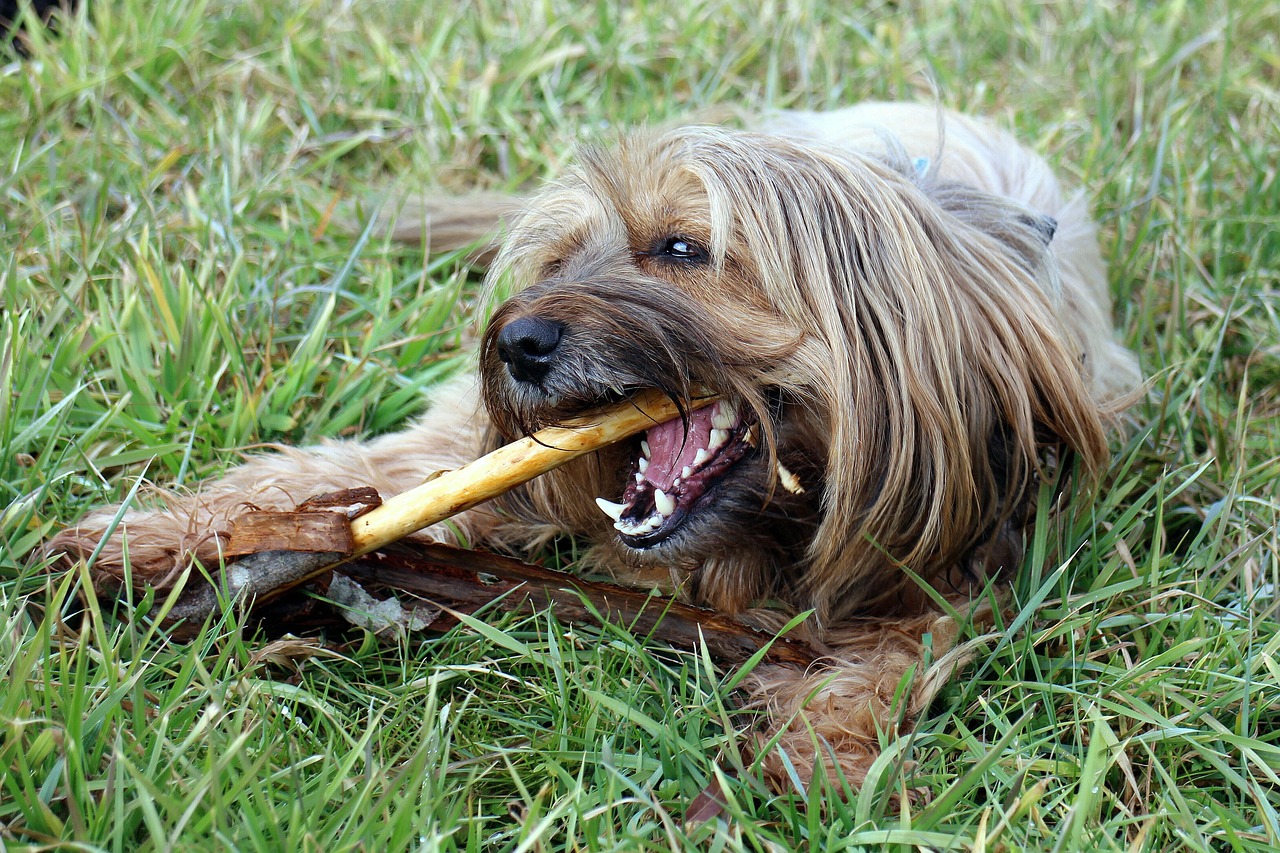
New dog owners often overlook the importance of dog dental care, assuming that a dog’s teeth are self-sustaining. However, this couldn’t be further from the truth. Dog dental care is just as crucial as any other aspect of dog care, and neglecting it can lead to serious health issues. Every year, many dogs suffer from dental problems that could have been prevented with proper care. For instance, in the United States alone, it’s estimated that over 80% of dogs develop some form of dental disease by the age of three. This startling statistic highlights the need for dog owners to take dog dental care seriously.
📝 Quick Navigation
Understanding Dog Dental Care
Dog dental care refers to the practice of maintaining a dog’s oral health through regular cleaning, check-ups, and preventive measures. It’s a critical aspect of dog care that ensures a dog’s teeth and gums remain healthy, preventing issues such as tartar buildup, gum disease, and tooth loss. Understanding dog dental care is the first step towards providing your dog with the care it needs to live a long and healthy life.
| Term | Plain-English Meaning |
|---|---|
| Tartar | A hard, yellowish deposit that forms on teeth due to the accumulation of plaque and minerals. |
| Plaque | A sticky film of bacteria that forms on teeth and can lead to tartar buildup and gum disease. |
| Gingivitis | A mild form of gum disease characterized by red, swollen gums and bad breath. |
| Periodontitis | A severe form of gum disease that can lead to tooth loss and other systemic health issues. |
| Dental Chews | Edible products designed to help reduce tartar and plaque, promoting oral health in dogs. |
| Dental Diets | Specialized dog foods designed to help reduce tartar and plaque through their unique texture and composition. |
Why Dog Dental Care Matters
Dog dental care is not just about maintaining a dog’s oral health; it also has a significant impact on its overall wellbeing. For example, a study conducted by the American Animal Hospital Association found that dogs with healthy teeth and gums tend to live up to two years longer than those with poor oral health. This is because dental problems can lead to systemic infections, which can affect a dog’s organs and overall health. In the case of Max, a 5-year-old Labrador Retriever, regular dental care helped prevent the development of severe gum disease, which could have led to heart problems and other complications.
Dog dental care is essential for preventing bad breath, which can be a sign of underlying dental issues. Bad breath, also known as halitosis, can be embarrassing for dog owners, especially when their dogs try to lick their faces or snuggle with them. By maintaining good oral health, dog owners can prevent bad breath and ensure their dogs have fresh, clean breath. According to a survey conducted by the American Veterinary Dental Society, over 70% of dog owners consider bad breath to be a significant issue, highlighting the need for proper dog dental care. underlying dental issues
Furthermore, dog dental care can help prevent costly veterinary bills. Dental problems can lead to expensive treatments, including tooth extractions, root canals, and other surgical procedures. By maintaining good oral health, dog owners can prevent these issues and save money on veterinary care. For instance, a dog owner who spends $10 per month on dog dental chews can save up to $1,000 per year on veterinary bills, according to a study published in the Journal of Veterinary Dentistry. help prevent costly
Leading Dog Dental Care Solutions
1. Brushing Your Dog’s Teeth
Brushing your dog’s teeth is one of the most effective ways to maintain good oral health. It involves using a dog-specific toothbrush and toothpaste to remove plaque and tartar from your dog’s teeth. To brush your dog’s teeth, start by getting your dog accustomed to the toothbrush and toothpaste. You can do this by letting your dog sniff and lick the toothbrush and toothpaste. Once your dog is comfortable with the toothbrush and toothpaste, you can begin brushing its teeth, focusing on the areas where the teeth and gums meet. A common mistake made by dog owners is using human toothpaste, which can be toxic to dogs.
- Key Benefits: Removes plaque and tartar, prevents bad breath, and helps prevent gum disease.
- Reduces the risk of dental problems and associated veterinary bills.
2. Providing Dental Chews
Dental chews are edible products designed to help reduce tartar and plaque, promoting oral health in dogs. They work by providing a abrasive surface that helps remove plaque and tartar as your dog chews on them. To provide dental chews, choose a product that carries the Veterinary Oral Health Council (VOHC) seal of acceptance, which ensures that the product meets certain standards for safety and effectiveness. A common mistake made by dog owners is overfeeding their dogs with dental chews, which can lead to weight gain and other health issues.
- Key Benefits: Helps reduce tartar and plaque, promotes fresh breath, and satisfies your dog’s natural urge to chew.
- Convenient and easy to use, making them a great addition to your dog’s oral care routine.
3. Feeding a Dental Diet
A dental diet is a specialized dog food designed to help reduce tartar and plaque through its unique texture and composition. It works by providing a larger kibble size that helps scrape away plaque and tartar as your dog chews. To feed a dental diet, choose a product that carries the VOHC seal of acceptance and follow the manufacturer’s feeding instructions. A common mistake made by dog owners is switching their dog’s food too frequently, which can lead to digestive issues.
- Key Benefits: Helps reduce tartar and plaque, promotes fresh breath, and provides complete nutrition for your dog.
- Convenient and easy to use, making it a great option for dog owners who want to provide their dogs with a healthy, balanced diet.
4. Scheduling Regular Dental Check-Ups
Scheduling regular dental check-ups with your veterinarian is crucial for maintaining your dog’s oral health. During these check-ups, your veterinarian will examine your dog’s teeth and gums, looking for signs of dental issues such as tartar buildup, gum disease, and tooth loss. To schedule regular dental check-ups, contact your veterinarian and ask about their recommended schedule for dental check-ups. A common mistake made by dog owners is not scheduling regular dental check-ups, which can lead to undiagnosed dental issues. Scheduling regular dental
- Key Benefits: Helps identify dental issues early, prevents more severe problems from developing, and provides an opportunity for professional cleaning and polishing.
- Provides an opportunity for your veterinarian to educate you on proper dog dental care and recommend products and treatments tailored to your dog’s needs.
5. Monitoring Your Dog’s Oral Health
Monitoring your dog’s oral health is crucial for maintaining its overall wellbeing. This involves regularly checking your dog’s teeth and gums, looking for signs of dental issues such as bad breath, yellow or brown teeth, and red or swollen gums. To monitor your dog’s oral health, start by establishing a routine of regular checks, ideally once a week. A common mistake made by dog owners is not monitoring their dog’s oral health regularly, which can lead to undiagnosed dental issues.
- Key Benefits: Helps identify dental issues early, prevents more severe problems from developing, and provides an opportunity for early intervention.
- Allows you to take a proactive approach to your dog’s oral health, ensuring that any issues are addressed before they become serious.
6. Providing Fresh Water and a Balanced Diet
Providing fresh water and a balanced diet is essential for maintaining your dog’s oral health. A balanced diet provides your dog with the necessary nutrients for healthy teeth and gums, while fresh water helps rinse away plaque and bacteria. To provide fresh water and a balanced diet, choose a high-quality dog food that meets your dog’s nutritional needs and ensure that your dog always has access to fresh, clean water. A common mistake made by dog owners is providing their dogs with table scraps, which can lead to nutritional imbalances and dental issues.
- Key Benefits: Helps maintain healthy teeth and gums, supports overall health and wellbeing, and provides essential nutrients for optimal health.
- Supports your dog’s immune system, helping to prevent infections and diseases that can affect its oral health.
7. Considering Professional Dental Cleaning
Considering professional dental cleaning is crucial for maintaining your dog’s oral health. This involves taking your dog to a veterinarian for a professional cleaning and polishing, which can help remove tartar and plaque, promoting healthy teeth and gums. To consider professional dental cleaning, contact your veterinarian and ask about their dental cleaning services. A common mistake made by dog owners is not considering professional dental cleaning, which can lead to severe dental issues.
- Key Benefits: Helps remove tartar and plaque, promotes healthy teeth and gums, and provides an opportunity for professional evaluation and advice.
- Provides a thorough cleaning and polishing, helping to prevent dental issues and promote fresh breath.
| Step | What You Do | Expected Result |
|---|---|---|
| 1. Brushing Your Dog’s Teeth | Use a dog-specific toothbrush and toothpaste to remove plaque and tartar. | Clean teeth and gums, fresh breath. |
| 2. Providing Dental Chews | Give your dog edible products designed to reduce tartar and plaque. | Reduced tartar and plaque, fresh breath. |
| 3. Feeding a Dental Diet | Feed your dog a specialized dog food designed to reduce tartar and plaque. | Reduced tartar and plaque, fresh breath, complete nutrition. |
| 4. Scheduling Regular Dental Check-Ups | Take your dog to a veterinarian for regular dental check-ups. | Early identification of dental issues, prevention of severe problems. |
| 5. Monitoring Your Dog’s Oral Health | Regularly check your dog’s teeth and gums for signs of dental issues. | Early identification of dental issues, prevention of severe problems. |
| 6. Providing Fresh Water and a Balanced Diet | Ensure your dog always has access to fresh water and a balanced diet. | Healthy teeth and gums, overall health and wellbeing. |
| 7. Considering Professional Dental Cleaning | Take your dog to a veterinarian for professional dental cleaning and polishing. | Clean teeth and gums, fresh breath, professional evaluation and advice. |
Frequently Asked Questions
1. How often should I brush my dog’s teeth?
It’s recommended to brush your dog’s teeth at least once a day, but ideally two to three times a day, depending on your dog’s individual needs and your veterinarian’s recommendations. For instance, dogs that are prone to dental issues may require more frequent brushing. dogs individual needs
2. What type of toothbrush and toothpaste should I use for my dog?
It’s essential to use a dog-specific toothbrush and toothpaste, as human toothpaste can be toxic to dogs. Look for products that carry the VOHC seal of acceptance, which ensures that the product meets certain standards for safety and effectiveness. For example, toothpaste containing xylitol can be toxic to dogs and should be avoided.
3. Can I use dental chews as a substitute for brushing my dog’s teeth?
While dental chews can be a helpful addition to your dog’s oral care routine, they should not be used as a substitute for brushing your dog’s teeth. Brushing your dog’s teeth is still the most effective way to remove plaque and tartar, and dental chews should be used in conjunction with brushing. However, dental chews can be a useful alternative for dogs that are resistant to brushing.
4. How often should I schedule dental check-ups for my dog?
The frequency of dental check-ups for your dog will depend on its individual needs and your veterinarian’s recommendations. Generally, it’s recommended to schedule dental check-ups at least once a year, but more frequently if your dog is prone to dental issues. For example, dogs with a history of dental problems may require check-ups every six months.
5. Can I use a waterpik to clean my dog’s teeth?
While a waterpik can be a useful tool for cleaning your dog’s teeth, it’s essential to use it with caution and only under the guidance of a veterinarian. A waterpik can be too harsh for some dogs, especially if they have sensitive teeth or gums, and can cause more harm than good. However, some veterinarians may recommend a waterpik as part of a comprehensive oral care plan.
One Last Thing
Dog dental care is a critical aspect of dog ownership, and it’s essential to take it seriously to ensure your dog’s overall health and wellbeing. By following the steps outlined Here and consulting with your veterinarian, you can help prevent dental issues and provide your dog with a happy, healthy life. Remember, dog dental care is an ongoing process that requires commitment and dedication, but the rewards are well worth the effort. With proper care and attention, your dog can enjoy a lifetime of good oral health and overall wellbeing.