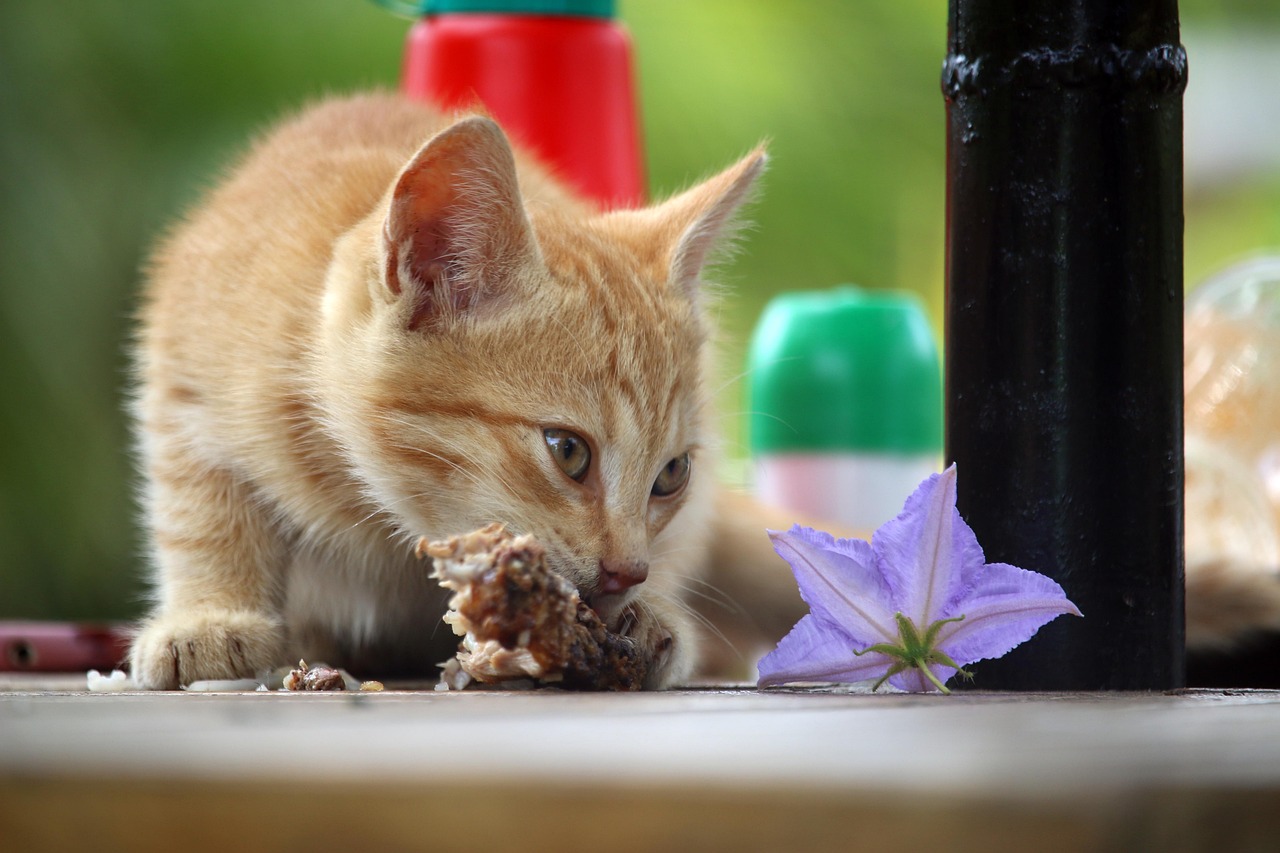
A staggering 70% of a kitten’s energy goes into growth and development during the first year of life, with the most rapid growth occurring in the first six months – highlighting the importance of a well-structured feeding plan. Kittens require a diet rich in protein and fat to support their rapid growth and development. As they grow, their nutrient needs change, necessitating adjustments in their feeding schedule. Providing the right nutrients at the right time is crucial for preventing health issues and ensuring the kitten reaches its full growth potential. Kittens that are undernourished or overfed can experience a range of health problems, including stunted growth, obesity, and increased susceptibility to diseases. Therefore, understanding the nutritional needs of kittens and how to meet these needs through a balanced diet is essential for cat owners.
The process of feeding kittens can be daunting, especially for new cat owners, due to the numerous options available and the varying nutritional needs at different stages of growth. However, with a comprehensive feeding guide, cat owners can ensure their kittens receive the necessary nutrients for optimal growth and development. Proper feeding practices not only support the physical health of kittens but also contribute to their emotional and behavioral well-being. A kitten that is well-fed and happy is more likely to develop into a confident and healthy adult cat. By investing time and effort into creating a tailored feeding plan, cat owners can significantly impact the quality of life and longevity of their feline companions.
📝 Contents
What Is a Kitten Feeding Guide?
A kitten feeding guide – or a plan that outlines the nutritional needs of kittens at different stages of growth (from neonatal to adult) – is essentially a roadmap for cat owners to follow, ensuring their kittens are fed the right foods (formulas or solid foods) at the right times, in the right amounts. This guide takes into account the kitten’s age, weight, and health status to provide personalized feeding recommendations. The primary goal of such a guide is to support the kitten’s rapid growth and development while preventing nutritional deficiencies and excesses. A comprehensive kitten feeding guide should cover aspects such as the transition from milk to solid food, the selection of appropriate kitten food (considering factors like protein sources, fat content, and vitamin/mineral supplementation), and the establishment of a feeding schedule that accommodates the kitten’s increasing independence and decreasing reliance on milk.
Kitten nutrition is a complex field, involving the understanding of nutrients – such as proteins (derived from animal sources like chicken or fish), fats (which provide energy), carbohydrates (which are less crucial for feline diets but can serve as fiber sources), vitamins (like vitamin A, crucial for vision and immune function), and minerals (such as calcium and phosphorus, essential for bone health). Balancing these nutrients is critical; for example, too little of a particular vitamin or mineral can lead to deficiency diseases, while too much can be toxic. The balance of these nutrients in kitten food is often compared across different brands and types using comparison tables, which help cat owners make informed decisions about their kitten’s diet.
| Kitten Food Brand | Protein Content | Fat Content | Vitamin and Mineral Supplementation |
|---|---|---|---|
| Brand A | 35% | 20% | Complete and Balanced |
| Brand B | 30% | 25% | Vitamin A and D enriched |
| Brand C | 40% | 15% | Mineral fortified |
| Brand D | 32% | 22% | Omega-3 fatty acids for skin and coat health |
Major Kitten Feeding Developments
1. Neonatal Stage (0-4 weeks)
During the neonatal stage, kittens rely entirely on their mother’s milk for nutrition. This period is critical for the development of the kitten’s immune system, as the mother’s milk contains antibodies – proteins that help fight off infections. If the mother is not available, a kitten milk replacer (a formula designed to mimic the nutritional content of a mother cat’s milk) should be used. It’s essential to follow the instructions carefully and consult with a veterinarian for the best feeding schedule and advice on maintaining the kitten’s health. neonatal stage kittens
This stage is also a time of rapid physical growth, with kittens doubling their birth weight in the first week. Monitoring their weight and overall health during this period can provide early signs of potential issues, allowing for prompt intervention. A significant development during this stage is the beginning of the transition to solid foods, usually starting around the third to fourth week, although the mother’s milk or a milk replacer remains the primary source of nutrition. rapid physical growth
- The high nutrient content in the mother’s milk supports the kitten’s rapid growth and development.
- The antibodies in the milk help protect the kittens from infections, bolstering their immune system.
- A well-executed transition to solid foods, based on the kitten’s readiness and weight gain, ensures a smooth progression to the next stage of feeding.
Why It Works:
2. Transition Stage (4-8 weeks)
At around four weeks of age, kittens start to show interest in solid foods, marking the beginning of the transition stage. This period is critical, as it lays the foundation for the kitten’s future eating habits and preferences. A mix of high-quality kitten food and the mother’s milk (or milk replacer) is typically recommended. The transition should be gradual, with the proportion of solid food increasing over time.
Monitoring the kitten’s acceptance of solid foods and adjusting the feeding schedule accordingly is crucial. Some kittens may take longer to adjust to solid foods than others, and forcing the transition can lead to digestive issues. Consulting with a veterinarian can provide guidance tailored to the individual kitten’s needs and progress.
- A gradual transition helps prevent digestive upset, making the introduction to solid foods a positive experience for the kitten.
- Exposing kittens to a variety of tastes and textures during this stage can reduce the likelihood of food preferences and aversions later in life.
- Regular health checks during this period can help identify any nutritional deficiencies or health issues early on, allowing for timely intervention.
Why It Works:
3. Weaning Stage (8-12 weeks)
The weaning stage is when kittens fully transition from their mother’s milk or a milk replacer to solid foods. By this stage, kittens should be eating solid foods almost exclusively, with their nutrient needs still being relatively high to support growth and development. High-quality, nutrient-rich kitten food that is appropriate for their age and size should be provided.
Feeding schedules become more regular during this stage, with kittens typically fed three to four times a day. The amount of food per feeding should be adjusted based on the kitten’s weight and activity level. Ensuring fresh water is always available is also crucial, as kittens need to stay hydrated, especially as they become more active.
- A well-planned feeding schedule supports the kitten’s growth, ensuring they receive the necessary nutrients for optimal development.
- Providing fresh water at all times helps prevent dehydration and supports the kitten’s overall health.
- Monitoring the kitten’s weight and adjusting food portions accordingly helps prevent overfeeding, reducing the risk of obesity.
Why It Works:
4. Growth Stage (3-6 months)
During the growth stage, kittens continue to grow rapidly, although at a slightly slower rate than in the first few months. Their diet remains crucial, with a need for high-quality protein and moderate fat content to support muscle and bone development. Kittens at this stage are usually fed twice a day, with the amount of food adjusted based on their size, breed, and activity level.
Vaccinations and parasite control measures are also important during this stage, as kittens become more exploratory and their exposure to potential health risks increases. Regular veterinary check-ups can help monitor the kitten’s health and provide advice on feeding and care tailored to their specific needs and development stage.
- High-quality kitten food supports the continued growth and development of the kitten, laying the foundation for a healthy adult life.
- Regular veterinary check-ups help identify any health issues early, ensuring prompt treatment and minimizing long-term effects.
- Vaccinations and parasite control measures protect the kitten from serious diseases and parasites, further supporting their health and well-being.
Why It Works:
5. Adult Stage (1 year and beyond)
By the time kittens reach their first birthday, they are considered adult cats. Their nutrient needs decrease compared to the growth stage, and their feeding schedule typically consists of two meals a day. The transition to adult cat food should be gradual to prevent digestive upset, with the new food being introduced over a period of days to weeks.
Maintaining a healthy weight and preventing obesity are key considerations at this stage. Adult cats have different activity levels and may require adjusted portions of food to prevent overfeeding. Regular health checks remain important to monitor the cat’s overall health and address any emerging health issues promptly.
- A gradual transition to adult food prevents digestive upset, ensuring the cat’s dietary needs continue to be met without interruption.
- Maintaining a healthy weight through appropriate feeding and exercise supports the cat’s overall health, reducing the risk of obesity-related diseases.
- Regular health checks allow for the early detection of health issues, enabling timely intervention and minimizing the risk of long-term complications.
Why It Works:
Real-World Benefits
✔ Improved Growth and Development
A well-balanced diet tailored to the kitten’s stage of growth supports optimal development, ensuring the kitten reaches its full growth potential. Proper nutrition is key to healthy bone development, muscle growth, and the maturation of internal organs. A kitten that is well-nourished is more likely to grow into a healthy adult cat, with reduced risks of developmental issues and diseases related to malnutrition.
✔ Enhanced Immune System Enhanced Immune System
A diet rich in essential nutrients, including vitamins and minerals, helps bolster the kitten’s immune system. A strong immune system is critical for fighting off infections and diseases, reducing the risk of severe illness and the need for veterinary intervention. A well-nourished kitten is better equipped to handle the challenges of growth and development, including the transition to new environments and exposure to potential pathogens. essential nutrients including
✔ Better Digestive Health Better Digestive Health
A high-quality, easily digestible diet reduces the risk of digestive issues, such as diarrhea, constipation, and vomiting. Kittens with healthy digestive systems are less likely to experience discomfort, lethargy, and other symptoms associated with gastrointestinal upset. Proper nutrition also supports the health of the gut flora, which is essential for immune system function and overall well-being.
✔ Reduced Risk of Diseases
A well-balanced diet that meets the kitten’s nutritional needs can help prevent diseases associated with nutritional deficiencies. For example, a diet sufficient in taurine (an essential amino acid) can prevent feline taurine deficiency retinopathy, a condition leading to vision loss. Similarly, adequate vitamin A intake is crucial for healthy vision, immune function, and skin health.
✔ Improved Coat and Skin Health
Essential fatty acids, vitamins, and minerals play a crucial role in maintaining the health and appearance of the kitten’s coat and skin. A diet rich in these nutrients supports the development of a shiny, healthy coat and reduces the risk of skin issues, such as dandruff, itching, and hair loss. Kittens with healthy skin and coats are more comfortable and less prone to skin-related problems.
✔ Stronger Teeth and Bones
Adequate intake of calcium, phosphorus, and vitamin D is essential for the development of strong teeth and bones. Kittens fed a diet that meets these nutritional needs are less likely to experience dental problems, such as tooth decay and gum disease, and skeletal issues, such as rickets or osteomalacia. A strong skeletal system also supports the kitten’s overall mobility and activity level.
The Road Ahead
- Predicted Advances in Kitten Nutrition
- Increased Focus on Sustainable Pet Food
- Personalized Nutrition Plans
- Integration of Technology in Feeding
- Greater Awareness of Nutritional Needs
Future research is expected to reveal more about the optimal nutritional requirements of kittens, potentially leading to the development of even more tailored and effective kitten foods. Advances in nutrition could also focus on the specific needs of different breeds or lifestyles, offering cat owners more personalized feeding options for their pets.
This could involve the use of novel protein sources, enhanced bioavailability of nutrients, or the incorporation of prebiotics and probiotics to support gut health. As understanding of feline nutrition deepens, the quality and range of kitten foods available are likely to improve, providing better support for the health and well-being of kittens.
There is a growing trend towards sustainability in the pet food industry, driven by consumer demand for environmentally friendly products. This shift could lead to the development of more sustainable kitten foods, made from environmentally responsible sources, reducing waste, and minimizing the carbon footprint of production and distribution.
Sustainable kitten foods might include ingredients from regenerative farming practices, recycled materials in packaging, and production methods that reduce energy consumption and emissions. As consumers become more aware of the environmental impact of their purchasing decisions, the pet food industry is likely to adapt, offering more sustainable options for cat owners.
With advancements in technology and data analysis, personalized nutrition plans for kittens could become more accessible. These plans would be tailored to the individual kitten’s genetic makeup, health status, lifestyle, and nutritional needs, offering a bespoke approach to feeding.
Personalized nutrition could involve genetic testing to identify specific nutritional requirements, health monitoring through wearable devices or mobile apps, and tailored dietary advice based on the kitten’s unique profile. This approach could revolutionize the way kittens are fed, ensuring each kitten receives the exact nutrients it needs for optimal health and development.
Technology is increasingly being integrated into pet care, including feeding. Smart feeders, mobile apps, and wearable devices can monitor a kitten’s food intake, track their health, and provide owners with valuable insights into their kitten’s nutritional needs and eating habits. increasingly being integrated
This technology can help prevent overfeeding or underfeeding, ensure consistency in feeding schedules, and even automate the feeding process, making it easier for cat owners to manage their kitten’s diet. As technology advances, it is likely to play a more significant role in kitten care, enhancing the feeding experience and supporting the health and well-being of kittens.
There is a growing awareness among cat owners about the importance of nutrition for their pets’ health. As more information becomes available, cat owners are becoming more discerning about the foods they choose for their kittens, seeking out high-quality, nutrient-rich options that meet their kitten’s specific needs.
This increased awareness could lead to higher standards in the pet food industry, with manufacturers responding to consumer demand by producing better-quality foods. Greater awareness also promotes a culture of responsible pet ownership, where nutrition is recognized as a critical aspect of kitten care, supporting the overall health and well-being of feline companions.
| Age of Kitten | Feeding Schedule | Nutritional Needs | Health Considerations |
|---|---|---|---|
| 0-4 weeks | Mother’s milk or milk replacer | High in protein and fat | Immune system development |
| 4-8 weeks | Transition to solid foods | Introduction of solid food nutrients | Digestive system adaptation |
| 8-12 weeks | Solid foods primarily | High-quality protein sources | Growth and development |
| 3-6 months | Twice a day feeding | Moderate fat content | Continued growth support |
The Big Picture
A kitten feeding guide is more than just a plan for nutrition; it’s a comprehensive approach to supporting the overall health, development, and well-being of kittens. By understanding the nutritional needs at different stages of growth and implementing a tailored feeding plan, cat owners can significantly impact the quality of life and longevity of their feline companions. The importance of proper nutrition cannot be overstated, as it lays the foundation for a healthy, happy life for kittens as they grow into adult cats.
The path of kitten feeding is a dynamic process that involves continuous learning, adaptation, and commitment to providing the best possible care. As knowledge and understanding of feline nutrition evolve, so too will the strategies and tools available to cat owners, enabling them to make informed decisions about their kitten’s diet and care. By embracing the complexities and nuances of kitten nutrition, cat owners can foster a deep and lasting bond with their pets, built on a foundation of health, trust, and mutual well-being.
In the end, the art of feeding kittens is about more than just nourishment; it’s about nurturing a life, fostering growth, and creating a lifelong companion. With patience, dedication, and the right guidance, cat owners can navigate the challenges and joys of kitten feeding, setting their pets up for a lifetime of happiness and health.