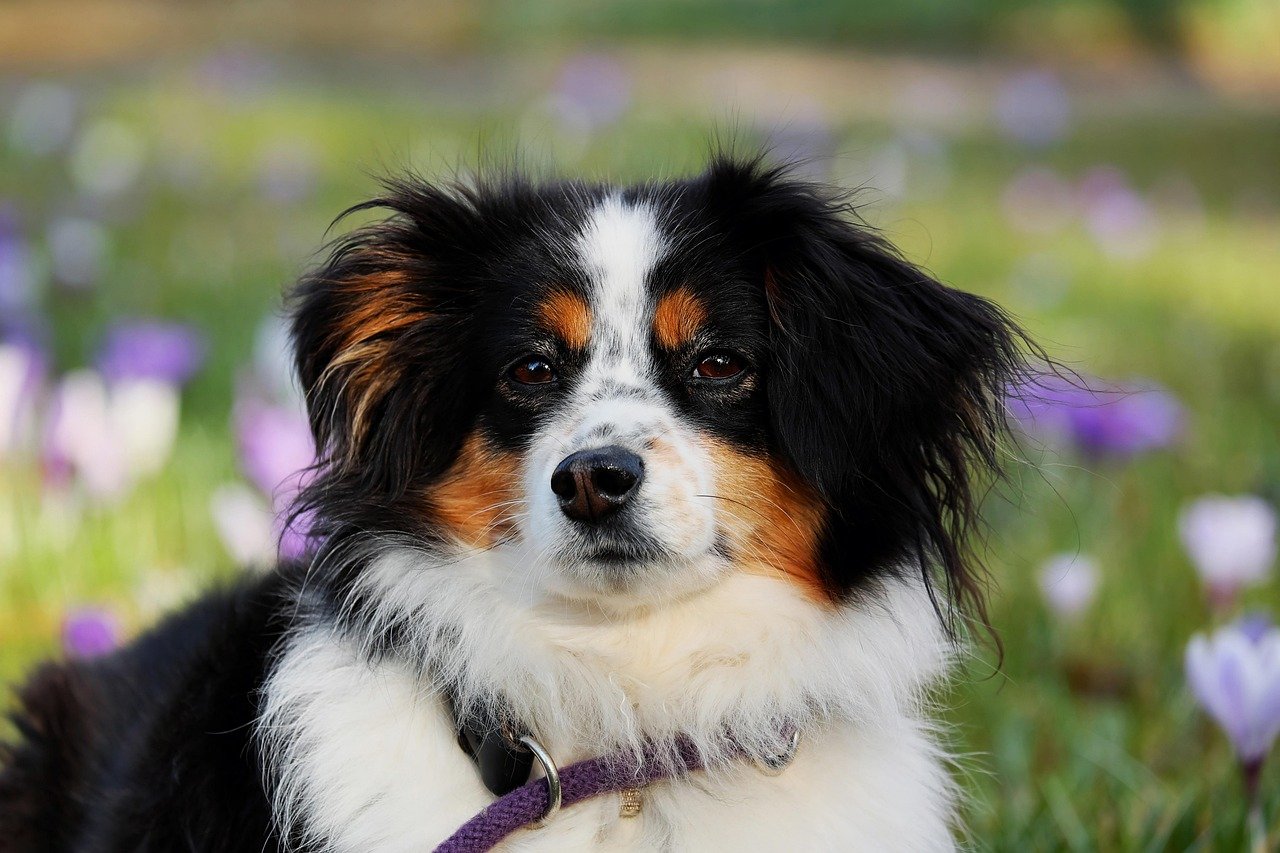
Did you know that dogs have been human companions for at least 15,000 years, with some estimates suggesting that dog domestication may have occurred as far back as 30,000 years ago? Despite their long history as human companions, many dog owners still struggle with training and caring for their canine friends. In fact, a surprising statistic is that approximately 3.2 million dogs are surrendered to animal shelters each year in the United States alone. Fortunately, with the right approach, achieving quick wins with dogs is entirely possible, leading to stronger bonds and happier, healthier canine companions. Here’s the key thing to understand: small, consistent efforts can lead to significant improvements in dog behavior and owner satisfaction. Most people miss this crucial aspect, focusing instead on grand, time-consuming solutions. However, the reality is that quick, achievable milestones are often the foundation upon which more substantial successes are built. By focusing on these quick wins, dog owners can lay the groundwork for a more rewarding and enjoyable relationship with their dogs.
📝 Quick Navigation
What Does Dog Training Mean?
Dog training encompasses a broad range of activities and techniques aimed at teaching dogs to behave in certain ways, respond to commands, and interact appropriately with their human family and other animals. At its core, dog training is about communication and building a strong, trusting relationship between dog and owner. Effective training not only helps to address behavioral issues but also enhances the overall quality of life for both the dog and the owner. Here’s a comparison of different training methods:
| Training Method | Description | Benefits | Challenges |
|---|---|---|---|
| Positive Reinforcement | Focused on rewarding desired behaviors | Encourages good behavior, builds trust | Can be time-consuming, requires consistency |
| Clicker Training | Uses a clicker to mark desired behaviors | Precise, effective for complex behaviors | Requires clicker, can be confusing for some dogs |
| Agility Training | Physical training that mimics dog sports | Improves physical fitness, mental stimulation | Requires equipment, can be physically demanding |
| Basic Obedience | Teaches fundamental commands like sit, stay | Essential for any dog, improves behavior | Must be practiced regularly, can be boring for some dogs |
Dog training is not a one-size-fits-all approach; what works for one dog may not work for another. Understanding the different methods and their applications can help owners tailor their training approach to their dog’s unique needs and personality. Most people miss the fact that every dog is an individual, with its own strengths, weaknesses, and learning style. By recognizing and respecting these differences, owners can create a more effective and enjoyable training experience for their dogs.
Leading Dog Training Solutions
1. Positive Reinforcement Techniques
Positive reinforcement is a highly effective training method that focuses on rewarding desired behaviors rather than punishing undesired ones. This approach encourages good behavior, builds trust, and strengthens the bond between dog and owner. By using positive reinforcement, owners can achieve quick wins in training, such as teaching their dog to sit or stay, and lay the foundation for more complex behaviors. For example, owners can use treats, praise, and affection to reinforce desired behaviors, creating a positive association with the behavior and encouraging its repetition.
The key to successful positive reinforcement is consistency and patience. Owners must be consistent in their rewards and expectations, and patient with their dog’s learning process. With time and practice, dogs can learn a wide range of behaviors, from basic obedience commands to complex tricks and tasks. Here are some benefits of using positive reinforcement techniques:
- What You Gain: Improved behavior, increased trust, and a stronger bond with your dog
- What You Gain: A more enjoyable and rewarding training experience for both dog and owner
- What You Gain: The ability to teach complex behaviors and tasks, such as agility training or service dog work
2. Socialization Strategies
Socialization is a critical component of dog training, as it helps dogs become confident and calm in the presence of new people, animals, and environments. Proper socialization can help prevent behavioral issues, such as fear aggression or anxiety, and create a more well-adjusted and well-behaved dog. By socializing their dog, owners can achieve quick wins, such as reducing fear or anxiety in new situations, and lay the foundation for a more confident and calm dog.
Socialization should begin early, ideally during the puppy stage, and continue throughout a dog’s life. Owners can socialize their dogs by exposing them to a wide range of people, animals, and environments, and by using positive reinforcement techniques to encourage calm and confident behavior. For example, owners can take their dog on regular walks, visit dog parks or pet stores, and invite friends and family over to meet their dog. Here are some benefits of socialization strategies:
- What You Gain: A more confident and calm dog in new situations
- What You Gain: Reduced fear or anxiety in the presence of new people or animals
- What You Gain: A stronger bond with your dog, built on trust and mutual understanding
3. Nutrition and Diet Planning
Nutrition plays a critical role in dog health and behavior, and a well-planned diet can help owners achieve quick wins in training and behavior. A balanced and nutritious diet can improve a dog’s energy levels, coat health, and overall well-being, making them more receptive to training and more likely to exhibit good behavior. By feeding their dog a high-quality diet, owners can lay the foundation for a healthier and happier dog, and create a more positive and enjoyable training experience.
Here are some benefits of nutrition and diet planning:
- What You Gain: Improved energy levels and overall health
- What You Gain: A shiny, healthy coat and reduced shedding
- What You Gain: A more receptive and responsive dog, better suited to training and behavior modification
4. Mental Stimulation and Enrichment
Mental stimulation and enrichment are essential for dog health and happiness, as they provide dogs with the mental and physical challenges they need to thrive. By providing their dog with mental stimulation and enrichment activities, owners can achieve quick wins in training and behavior, such as reducing boredom or destructive behavior, and lay the foundation for a more engaging and rewarding relationship with their dog.
Examples of mental stimulation and enrichment activities include puzzle toys, scent work, and agility training. These activities challenge a dog’s mind and body, providing them with the stimulation and exercise they need to stay happy and healthy. Here are some benefits of mental stimulation and enrichment:
- What You Gain: Reduced boredom and destructive behavior
- What You Gain: Improved problem-solving skills and cognitive function
- What You Gain: A more engaging and rewarding relationship with your dog, built on mutual respect and trust
5. Veterinary Care and Health Maintenance
Regular veterinary care and health maintenance are essential for dog health and well-being, and can help owners achieve quick wins in training and behavior. By staying on top of their dog’s health needs, owners can prevent or manage health issues, reduce stress and anxiety, and create a more positive and enjoyable training experience. For example, regular veterinary care can help owners identify and address potential health issues, such as dental problems or allergies, and provide their dog with the preventive care they need to stay healthy.
Here are some benefits of veterinary care and health maintenance:
- What You Gain: Early detection and management of health issues
- What You Gain: Reduced stress and anxiety, built on a foundation of good health and well-being
- What You Gain: A stronger, more resilient dog, better equipped to handle the challenges of training and daily life
Practical Takeaways
The following are some practical takeaways that dog owners can use to achieve quick wins in training and behavior:
✔ Improved Training Outcomes
By focusing on positive reinforcement, socialization, and mental stimulation, owners can achieve improved training outcomes and a more enjoyable training experience. This can include teaching their dog to sit, stay, or come when called, and laying the foundation for more complex behaviors and tasks.
✔ Enhanced Dog-Owner Bond
Achieving quick wins in training and behavior can also enhance the bond between dog and owner, built on trust, mutual respect, and a deepening understanding of each other’s needs and desires. This can lead to a more rewarding and enjoyable relationship, with a stronger connection and a deeper sense of companionship.
✔ Better Behavior and Reduced Stress
By providing their dog with the training, socialization, and care they need, owners can reduce stress and anxiety, and create a more positive and enjoyable living environment. This can include reducing fear or anxiety in new situations, and creating a more confident and calm dog.
✔ Increased Confidence and Calmness
Quick wins in training and behavior can also increase a dog’s confidence and calmness, built on a foundation of trust, socialization, and positive reinforcement. This can lead to a more well-adjusted and well-behaved dog, better equipped to handle the challenges of daily life.
✔ More Effective Communication
Achieving quick wins in training and behavior can also improve communication between dog and owner, built on a deeper understanding of each other’s needs and desires. This can lead to a more effective and efficient training experience, with a stronger connection and a deeper sense of companionship.
✔ Improved Overall Health and Well-being
Finally, quick wins in training and behavior can also improve a dog’s overall health and well-being, built on a foundation of good nutrition, regular veterinary care, and mental stimulation. This can lead to a happier, healthier dog, with a stronger and more resilient body and mind.
| Health Issue | Description | Prevention | Treatment |
|---|---|---|---|
| Obesity | A common health issue in dogs, caused by overeating and lack of exercise | Regular exercise, balanced diet, monitoring food intake | Dietary changes, increased exercise, veterinary care |
| Dental Problems | Dental issues, such as tartar buildup and gum disease, can cause pain and discomfort | Regular teeth brushing, dental chews, veterinary care | Dental cleaning, antibiotics, surgery |
| Allergies | Allergies can cause skin issues, itching, and discomfort in dogs | Avoid exposure to allergens, use hypoallergenic products, veterinary care | Medication, dietary changes, immunotherapy |
| Arthritis | A common health issue in older dogs, causing joint pain and stiffness | Regular exercise, maintain healthy weight, veterinary care | Pain management, physical therapy, surgery |
What to Expect Next
- Advances in Dog Training Technology: The future of dog training is likely to involve advances in technology, such as virtual reality training and artificial intelligence-powered training tools. These advancements will provide owners with new and innovative ways to train their dogs, making the process more efficient and effective.
- Increased Focus on Mental Health: There will be an increased focus on mental health in dogs, with more owners recognizing the importance of mental stimulation and enrichment for their dogs’ overall well-being. This could involve the use of puzzle toys, scent work, and other activities designed to challenge a dog’s mind and provide mental stimulation.
- More Emphasis on Preventive Care: There will be a greater emphasis on preventive care, with owners taking steps to prevent health issues rather than simply treating them after they arise. This could involve regular veterinary check-ups, preventive medications, and a focus on maintaining a healthy lifestyle.
- Growing Demand for Sustainable and Eco-Friendly Products: The demand for sustainable and eco-friendly dog products will continue to grow, with owners seeking out products that are better for the environment and their dogs’ health. This could involve the use of biodegradable toys, eco-friendly grooming products, and sustainable food options.
- Increased Use of Professional Dog Trainers and Behaviorists: More owners will seek out the help of professional dog trainers and behaviorists, recognizing the value of expert guidance and support in addressing behavioral issues and improving training outcomes. This could involve working with a professional trainer to develop a customized training plan, or seeking out the help of a behaviorist to address specific behavioral issues.
As technology continues to evolve, it is likely that dog training will become more personalized and tailored to individual dogs’ needs and learning styles. This could involve the use of wearable devices, mobile apps, and other digital tools to track a dog’s progress and provide real-time feedback.
As the importance of mental health becomes more widely recognized, it is likely that dog owners will place a greater emphasis on providing their dogs with the mental stimulation and enrichment they need to thrive. This could involve working with professional dog trainers or behaviorists to develop customized training plans that address a dog’s unique mental health needs.
Preventive care is essential for maintaining a dog’s overall health and well-being, and it is likely that dog owners will place a greater emphasis on this in the future. This could involve working with veterinarians to develop personalized preventive care plans, and taking steps to maintain a healthy lifestyle, such as feeding a balanced diet and providing regular exercise.
As concern for the environment continues to grow, it is likely that dog owners will place a greater emphasis on sustainable and eco-friendly products. This could involve seeking out products that are made from natural materials, are biodegradable, or have a lower carbon footprint.
Professional dog trainers and behaviorists can provide valuable guidance and support to dog owners, helping them to address behavioral issues and improve training outcomes. As the importance of professional training and behavior modification becomes more widely recognized, it is likely that more owners will seek out the help of these professionals.
Wrapping Up
Achieving quick wins with dogs is a matter of understanding their needs, building trust, and providing the right training, socialization, and care. By focusing on positive reinforcement, socialization, and mental stimulation, owners can create a strong foundation for a happy, healthy, and well-behaved dog. With patience, consistency, and the right approach, dog owners can overcome common challenges and achieve their training goals, leading to a more rewarding and enjoyable relationship with their canine companions. The bond between dog and owner is a unique and special one, built on trust, mutual respect, and a deepening understanding of each other’s needs and desires. By recognizing and respecting this bond, owners can create a more positive and enjoyable living environment, with a stronger connection and a deeper sense of companionship.
Here’s the key thing to understand: every dog is an individual, with its own strengths, weaknesses, and learning style. By recognizing and respecting these differences, owners can create a more effective and enjoyable training experience, tailored to their dog’s unique needs and personality. Most people miss this crucial aspect, focusing instead on grand, time-consuming solutions. However, the reality is that quick, achievable milestones are often the foundation upon which more substantial successes are built.
By focusing on these quick wins, dog owners can lay the groundwork for a more rewarding and enjoyable relationship with their dogs, built on trust, mutual respect, and a deepening understanding of each other’s needs and desires. With the right approach, patience, and consistency, owners can achieve their training goals, overcome common challenges, and create a more positive and enjoyable living environment, with a stronger connection and a deeper sense of companionship.