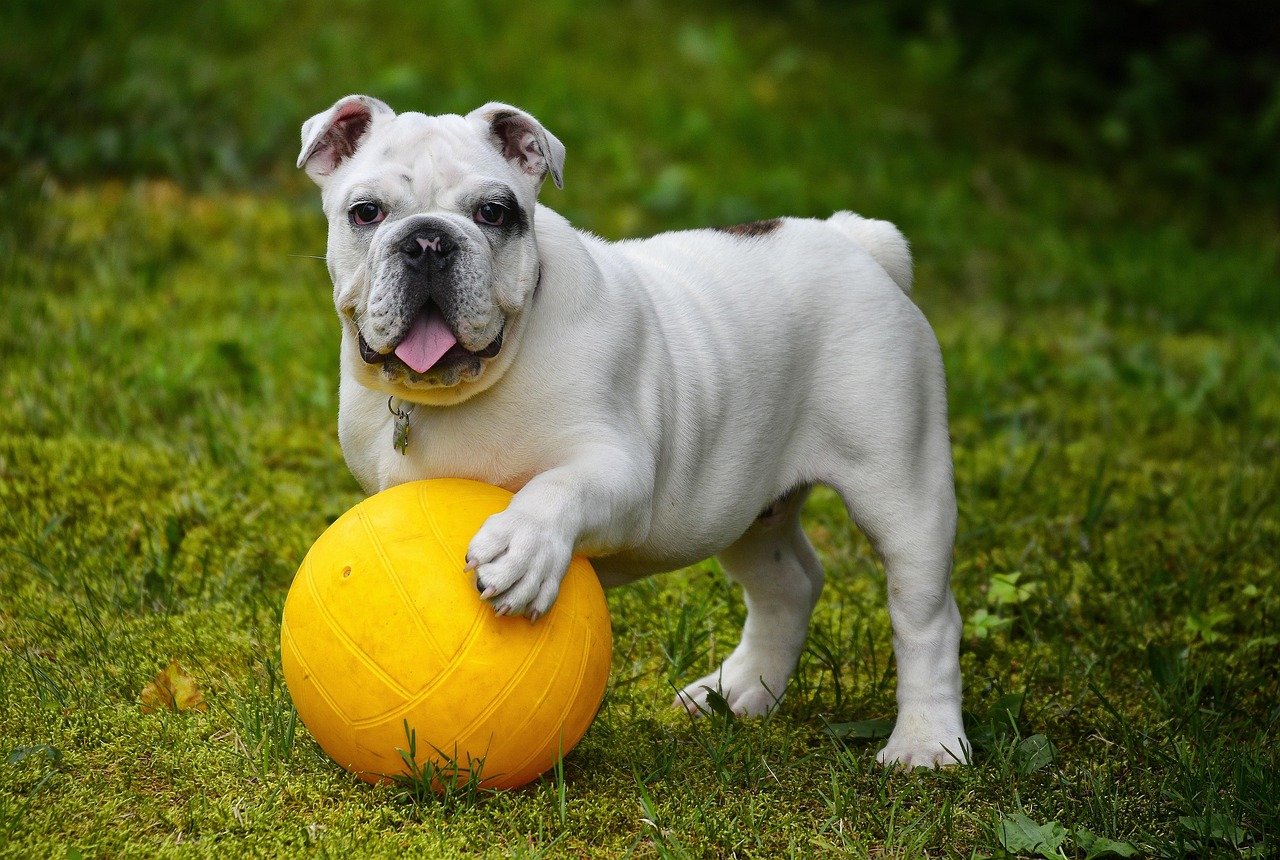
Dog ball launchers are changing the way pet owners interact with their dogs, making playtime more fun and convenient than ever before. For those who have just discovered this fantastic tool, the world of endless entertainment for their pets has just opened up. With the ability to launch balls at varying distances and speeds, these devices cater to dogs of all sizes and breeds. Whether it’s a lazy afternoon or an energetic morning, dog ball launchers bring a new level of excitement to the traditional game of fetch. As a beginner, it’s essential to understand how these devices work and how to use them effectively. With the right approach, you can ensure your dog stays happy, active, and engaged. The benefits of dog ball launchers are not just limited to the pets; they also offer owners a convenient way to provide exercise without straining their arms or backs.
📝 What's In This Article
The Basics of Dog Ball Launchers
A dog ball launcher is essentially a device that throws a ball for your dog to fetch, allowing for continuous play without the need for manual intervention. This not only saves time but also reduces the strain on the owner’s arm, making it an ideal solution for those with mobility issues or for when you just want to relax while your dog plays. The basic mechanism involves placing a ball into the launcher, which is then propelled forward using either manual force, battery power, or a combination of both, depending on the model.
| Term | Plain-English Meaning |
|---|---|
| Automatic Dog Ball Launcher | A device that automatically throws a ball for your dog to fetch without the need for manual intervention. |
| Manual Dog Ball Launcher | A device that requires the owner to manually pull a lever or string to launch the ball. |
| Adjustable Distance | The ability of some launchers to change the distance the ball is thrown, catering to different environments and dog sizes. |
| Battery Life | The amount of time a battery-powered launcher can operate before needing to be recharged. |
| Safety Features | Mechanisms designed to prevent accidents, such as automatic shut-off or sensor detection to avoid launching balls at people or animals. |
| Training Mode | A feature on some launchers that allows for a slower, closer launch to help train dogs that are new to fetch or hesitant around the launcher. |
Why Dog Ball Launcher (Beginner Tips) Matters
The importance of dog ball launchers cannot be overstated, especially for beginners. They provide an easy and efficient way to keep dogs active and entertained. For instance, the story of Max, a golden retriever from New York, is a testament to the impact of dog ball launchers. Max’s owner, Sarah, was struggling to keep up with his energetic personality due to a recent injury. After investing in a dog ball launcher, Sarah was able to provide Max with the exercise he needed without straining her arm. This not only improved Max’s physical health but also reduced his anxiety and boredom. According to a survey by the American Pet Products Association, over 60% of dog owners believe that playtime with their pets improves their mental and physical well-being.
Dog ball launchers are also beneficial for dogs that require a lot of exercise, such as Australian Shepherds or Border Collies. These breeds need to expend their physical energy to stay happy and healthy. Without adequate exercise, they can become restless, leading to destructive behavior or obesity. A dog ball launcher can be a lifesaver for owners of high-energy breeds, providing them with a convenient and effective way to meet their dog’s exercise needs. For example, a study found that dogs that engage in regular playtime with their owners are less likely to develop behavioral problems and are more likely to have a stronger bond with their family.
In addition to the physical benefits, dog ball launchers also play a crucial role in the mental stimulation of dogs. Fetch is not just a physical activity but also a mentally engaging one, requiring dogs to focus, run, and retrieve. This mental engagement can help reduce stress and anxiety in dogs, promoting a sense of calm and well-being. Furthermore, the use of dog ball launchers can be adapted to different environments, whether it’s a small backyard or a large park, making them versatile tools for dog owners. With over 70 million dog owners in the United States alone, the demand for dog ball launchers and other pet gadgets is on the rise, with the industry expected to reach $2 billion by 2025.
Major Dog Ball Launcher Developments
1. Choosing the Right Model
Choosing the right dog ball launcher model is crucial for both the owner and the dog. It involves considering factors such as the size of the dog, the available play area, and the level of automation desired. For smaller dogs, a manual or low-distance launcher might be more appropriate, while larger, more energetic dogs might require a fully automatic launcher that can throw balls at longer distances. The cost of dog ball launchers can vary significantly, ranging from $20 for manual models to over $200 for advanced, high-tech automatic launchers. A common mistake beginners make is not adjusting the distance setting according to their dog’s size and age, which can lead to the ball being thrown too far or not far enough. When selecting a model, consider the following Strengths:
- Customizable distance settings to cater to different environments and dog sizes.
- Durable construction to withstand regular use and potential rough handling by pets.
2. Setting Up the Launcher
Setting up the dog ball launcher is a straightforward process that requires minimal effort. For automatic launchers, this typically involves charging the battery, placing the ball into the launcher, and adjusting the distance setting. Manual launchers are even simpler, requiring only the placement of the ball into the launcher before each throw. However, a common error is not ensuring the launcher is on a stable, flat surface, which can affect the accuracy and distance of the ball’s trajectory. The setup process should consider the following Strengths:
- Ease of use, allowing for quick setup and immediate play.
- Stability features to prevent the launcher from moving or toppling over during use.
3. Introducing the Launcher to Your Dog
Introducing the dog ball launcher to your dog should be done gradually to avoid startling or confusing them. This can start with simply placing the launcher near their regular play area, allowing them to become familiar with its presence. Gradually, you can begin using the launcher at a low setting or in a manual mode to help your dog associate the device with the act of fetching. A mistake some owners make is rushing this process, which can lead to the dog becoming fearful of the launcher. Key Strengths: of this process include:
- Patient introduction to minimize stress and anxiety for the dog.
- Flexibility in launch settings to accommodate dogs of different ages and personalities.
4. Maintaining the Launcher
Maintenance is crucial to ensure the dog ball launcher continues to function properly. This includes regular cleaning of the device to remove dirt and saliva, checking the battery level for automatic models, and ensuring all parts are securely attached. Neglecting maintenance can lead to the launcher malfunctioning, potentially causing injury to the dog. The benefits of regular maintenance include Strengths:
- Extended lifespan of the device through proper care and upkeep.
- Prevention of mechanical failures that could harm the dog or owner.
5. Training with the Launcher
Training with the dog ball launcher involves teaching your dog to return the ball to the launcher for continuous play. This can be achieved by starting with short distances and gradually increasing them as the dog becomes more comfortable with the process. Consistency and patience are key, as some dogs may take longer than others to learn. A common mistake is not rewarding the dog sufficiently for their efforts, which can hinder the learning process. Key Strengths: of this training include:
- Improved obedience and retrieval skills in dogs.
- Enhanced bonding between dog and owner through interactive play.
6. Safety Precautions
Safety should always be the top priority when using a dog ball launcher. This includes ensuring the launch area is clear of obstacles and people, using the appropriate ball size for the launcher, and supervising the dog during play. A common oversight is not checking for any recalls on the product before purchasing, which can put the dog at risk. Important Strengths: of safety precautions are:
- Reduced risk of accidents and injuries to both dogs and humans.
- Peace of mind for owners knowing they have taken all necessary safety measures.
7. Adapting to Different Environments
Finally, being able to adapt the dog ball launcher to different environments is vital for its effectiveness. This means considering factors such as space limitations, the type of surface (grass, concrete, etc.), and the presence of other animals or people. For example, in a small backyard, a launcher with adjustable distance settings can be invaluable. A common mistake is not considering these environmental factors, which can lead to the launcher being underutilized or, worse, causing accidents. The Strengths: of adaptability include:
- Versatility in various settings, from indoor play to outdoor activities.
- Ability to adjust launch settings to fit different spaces and dog sizes.
| Step | What You Do | Expected Result |
|---|---|---|
| 1. Choose the Right Model | Select a dog ball launcher based on your dog’s size, the play area, and desired level of automation. | A suitable launcher for your dog’s needs, ensuring effective and safe play. |
| 2. Set Up the Launcher | Place the ball into the launcher and adjust the distance setting as necessary. | A correctly set up launcher ready for use, with minimal effort required for each throw. |
| 3. Introduce the Launcher to Your Dog | Gradually introduce the launcher to your dog, starting with low settings and gradual increases in distance. | A dog that is comfortable and excited about playing with the launcher. |
| 4. Maintain the Launcher | Regularly clean the device and check its parts to ensure proper functioning. | A well-maintained launcher that continues to perform optimally, reducing the risk of mechanical failure. |
| 5. Train with the Launcher | Teach your dog to return the ball to the launcher for continuous play, using positive reinforcement. | A dog that can retrieve and return the ball to the launcher, enabling continuous, independent play. |
| 6. Ensure Safety | Always supervise play, ensure the area is clear, and use the appropriate ball size. | A safe play environment that minimizes the risk of accidents or injuries to both dogs and humans. |
| 7. Adapt to Different Environments | Adjust the launcher’s settings according to the play area, whether indoor or outdoor, to ensure optimal performance and safety. | The ability to enjoy playtime with your dog in various settings, making the launcher a versatile and valuable tool. |
Frequently Asked Questions
What is the Best Dog Ball Launcher for Small Dogs?
The best dog ball launcher for small dogs often depends on the specific needs and preferences of the dog and its owner. However, manual launchers or those with adjustable distance settings are typically recommended. They allow for a more controlled and gentle experience suitable for smaller dogs. For example, the popular ‘Paws & Pals’ manual launcher is designed for small to medium-sized dogs and is both affordable and easy to use.
How Do I Train My Dog to Use a Ball Launcher?
Training your dog to use a ball launcher involves patience, consistency, and positive reinforcement. Start by introducing the launcher at a low setting, rewarding your dog for their efforts, and gradually increase the distance as they become more comfortable. It’s also helpful to begin in a controlled environment, like a fenced yard, to prevent the ball from getting lost and to keep your dog safe.
Can Dog Ball Launchers Be Used Indoors?
<p.Yes, dog ball launchers can be used indoors, provided there is sufficient space for the ball to be thrown and retrieved safely. Manual launchers or those with very short distance settings are best suited for indoor use, minimizing the risk of damage to furniture or walls. Additionally, using a soft, lightweight ball can reduce the potential for accidents or mess.
What Maintenance is Required for Dog Ball Launchers?
Maintenance for dog ball launchers typically involves regular cleaning to remove dirt, saliva, and other debris that can accumulate and affect performance. For automatic launchers, checking and maintaining the battery life is also crucial. Ensuring all parts are securely attached and functioning properly can prevent mechanical failures and extend the lifespan of the device. Cleaning should be done gently to avoid damaging any components, and it’s a good idea to refer to the manufacturer’s instructions for specific maintenance recommendations.
Are Dog Ball Launchers Suitable for All Breeds and Ages of Dogs?
Dog ball launchers can be suitable for most breeds and ages of dogs, provided the right model is chosen and used appropriately. For puppies or older dogs, a manual or low-distance launcher may be more appropriate to avoid overwhelming or straining them. High-energy breeds may benefit from more advanced, automatic launchers that can throw balls at longer distances. Always consider your dog’s health, age, and energy level when selecting and using a dog ball launcher.
The Bottom Line
Dog ball launchers have become an essential tool for many pet owners, offering a convenient, fun, and effective way to provide dogs with the exercise and mental stimulation they need. By following beginner tips and understanding how to choose and use these devices properly, owners can ensure their dogs lead happier, healthier lives. Whether you’re looking to enhance your dog’s playtime, reduce your own physical strain, or simply spend quality time with your pet, dog ball launchers are definitely worth considering. With their versatility, ease of use, and the joy they bring to both dogs and owners, it’s no wonder they’ve become a staple in many households. As the pet industry continues to evolve, it will be exciting to see how dog ball launchers and similar technologies innovate to meet the changing needs of pets and their owners.