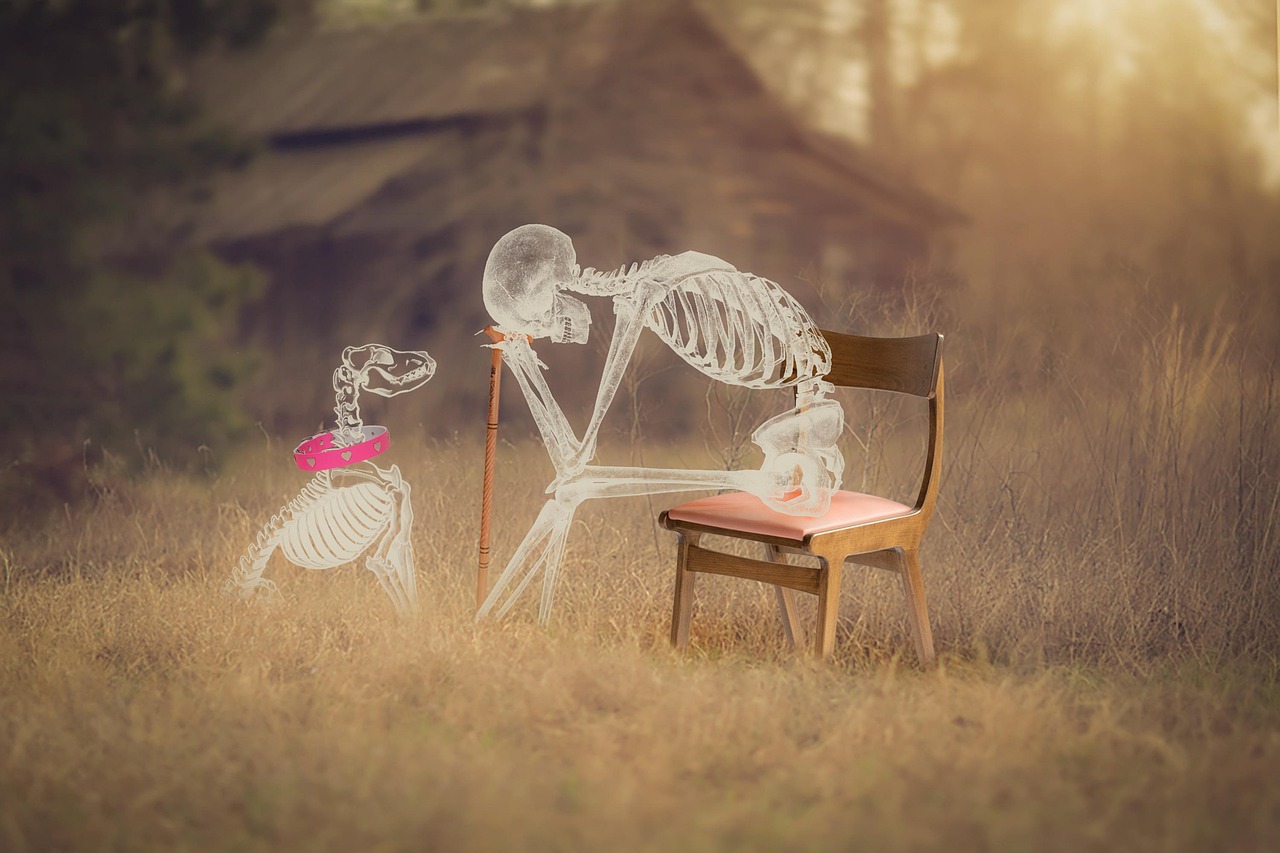
Imagine coming home to find your usually energetic dog lethargic and unresponsive, with no clear indication of what’s wrong. This scenario is a nightmare for many dog owners, highlighting the importance of staying informed about dog health. Every year, new research and findings emerge that can significantly impact how we care for our canine companions. As of 2026, there are several key updates that dog owners should be aware of.
📝 Quick Navigation
Common Challenges With Breaking Down Dog Health (2026 update)
Difficulty in Early Disease Detection
Detecting health issues early in dogs can be challenging due to their inability to communicate their symptoms clearly. Many diseases, if caught early, can be managed or even cured, but dogs often mask their pain and discomfort until the condition has advanced. This happens because dogs have evolved to hide vulnerabilities to avoid predation and maintain pack hierarchy, making it crucial for owners to be vigilant and aware of subtle changes in behavior or physical condition.
Genetic Predispositions
Certain breeds are genetically predisposed to specific health issues, such as hip dysplasia in larger breeds like German Shepherds and Labradors, or heart conditions in smaller breeds like Poodles and Chihuahuas. Understanding these predispositions is key to preventative care and making informed decisions when selecting a breed. The genetic makeup of a dog can significantly influence its health, and while not all conditions can be prevented, knowledge of these risks allows for early intervention and management.
Nutritional Deficiencies
Nutritional deficiencies can lead to a myriad of health problems in dogs, from skin issues and allergies to more severe conditions like heart disease. The quality of dog food varies significantly, and not all foods are created equal. Some commercial dog foods may lack essential nutrients or contain fillers and by-products that do not provide nutritional value, leading to deficiencies over time. Additionally, homemade diets, if not properly balanced, can also lead to nutritional deficiencies.
Age-Related Health Decline
As dogs age, they undergo natural health declines that can affect their quality of life. Issues such as arthritis, cognitive decline, and sensory loss become more common with age. While these changes are inevitable, their impact can be mitigated with appropriate care, including dietary adjustments, exercise modifications, and in some cases, medication. Early recognition of these changes is crucial for implementing effective management strategies.
Environmental Factors
Environmental factors, including exposure to toxins, parasites, and extreme weather conditions, can significantly affect dog health. For example, dogs exposed to lawns treated with certain chemicals may be at a higher risk of developing cancer, while those in areas with high parasite loads may be more likely to contract diseases like heartworms. Being aware of these risks and taking preventative measures, such as using protective gear and keeping vaccinations up to date, is essential for maintaining dog health.
Dog Health Methods Worth Knowing
1. Regular Veterinary Check-Ups
Regular veterinary check-ups are crucial for maintaining dog health. These visits allow for the early detection of health issues, the monitoring of chronic conditions, and the prevention of diseases through vaccinations and parasite control. Implementing this method involves scheduling annual check-ups, or more frequently for older dogs or those with health conditions.
- Why It Works: Early detection of diseases, prevention of parasites, and maintenance of vaccinations.
- Allows for the monitoring of health changes over time.
- Provides an opportunity for owners to ask questions and receive personalized advice on dog care.
2. Balanced Nutrition
A balanced and nutrient-rich diet is fundamental to dog health. This involves selecting a high-quality dog food that meets the dog’s life stage and lifestyle needs, or consulting with a veterinarian to formulate a balanced homemade diet. Implementing this method requires careful consideration of the dog’s nutritional needs and the potential benefits and risks of different diets.
- Why It Works: Supports overall health and well-being.
- Helps prevent nutritional deficiencies and related health issues.
- Can be tailored to the individual dog’s needs, including life stage, breed, and health conditions.
3. Regular Exercise and Mental Stimulation
Regular exercise and mental stimulation are essential for maintaining physical and mental health in dogs. This can involve daily walks, playtime, and training sessions, tailored to the dog’s age, breed, and health status. Implementing this method requires commitment and creativity to keep the dog engaged and active.
- Why It Works: Supports physical health and mental well-being.
- Helps prevent obesity and related health issues.
- Reduces the risk of behavioral problems by providing mental stimulation and social interaction.
4. Preventative Care
Preventative care, including vaccinations, parasite control, and dental care, is critical for preventing diseases and maintaining dog health. Implementing this method involves staying up to date with the latest recommendations from veterinary professionals and taking proactive steps to protect the dog from health threats.
- Why It Works: Prevents diseases and parasites.
- Supports oral health and overall well-being.
- Provides peace of mind for dog owners, knowing they are taking all necessary precautions.
5. Monitoring Health Changes
Monitoring health changes in dogs involves being aware of subtle changes in behavior, appetite, or physical condition that could indicate a health issue. Implementing this method requires dog owners to be observant and knowledgeable about what constitutes normal behavior and physical condition for their dog.
- Why It Works: Allows for early detection of health issues.
- Enables prompt intervention, which can improve outcomes.
- Strengthens the bond between dog and owner through increased awareness and interaction.
6. Staying Informed
Staying informed about the latest in dog health involves keeping up to date with research findings, health alerts, and changes in veterinary recommendations. Implementing this method requires dog owners to be proactive in seeking out reliable sources of information and being open to adjusting their care practices as new evidence emerges.
- Why It Works: Ensures dog owners have the most current and effective care strategies.
- Supports informed decision-making about dog health and care.
- Helps dog owners navigate the complexities of dog health with confidence.
| Approach | Old Way | Better Way | Result |
|---|---|---|---|
| Diet Planning | One-size-fits-all commercial foods | Customized diets based on life stage, breed, and health conditions | Improved nutritional outcomes and reduced health issues |
| Exercise | Generic exercise routines | Tailored exercise plans considering age, breed, and health status | Enhanced physical and mental well-being |
| Health Monitoring | Reactive approach to health issues | Proactive monitoring and preventative care | Early detection of health problems and improved outcomes |
| Veterinary Care | Annual check-ups as the sole means of health monitoring | Regular check-ups combined with at-home monitoring and preventative care | Comprehensive health management and stronger dog-owner relationship |
| Information Gathering | Relying on outdated or unverified sources | Seeking information from current, reputable sources | Informed decision-making and better dog care practices |
Why People Are Paying Attention
In Rochester, New York, a dog owner’s diligence in monitoring her dog’s health led to the early detection of kidney disease, allowing for timely intervention and significantly improving the dog’s quality of life. This case highlights the importance of proactive health monitoring and the positive impact it can have on dog health outcomes.
A study published in the Journal of Veterinary Internal Medicine found that dogs fed a balanced, nutrient-rich diet had a lower incidence of certain health issues, such as skin problems and digestive disorders, compared to those fed lower-quality diets. This research underscores the critical role of nutrition in maintaining dog health.
In Australia, a community-wide effort to promote preventative care and regular veterinary check-ups resulted in a noticeable decrease in the incidence of preventable diseases among the local dog population. This initiative demonstrates the power of collective action in improving dog health.
A dog owner in California credited regular exercise and mental stimulation with reducing her dog’s anxiety and improving its overall behavior. This anecdote illustrates the significant impact that tailored exercise and stimulation can have on a dog’s mental health and well-being.
A veterinary clinic in London reported a significant increase in the number of dog owners seeking advice on customized diet plans and health monitoring strategies, reflecting a growing awareness among dog owners of the importance of personalized care in maintaining dog health.
Step-by-Step Action Plan
- Schedule a comprehensive health check-up for your dog with a veterinarian to establish a baseline for its health and identify any potential issues early on, as this will provide a clear understanding of your dog’s current health status and guide future care decisions.
- Consult with a veterinarian or a certified canine nutritionist to develop a customized diet plan tailored to your dog’s life stage, breed, and health conditions, ensuring your dog receives the nutrients it needs for optimal health.
- Implement a regular exercise routine that considers your dog’s age, breed, and health status, aiming to provide both physical activity and mental stimulation to support overall well-being.
- Stay informed about the latest developments in dog health by following reputable sources and attending workshops or seminars, which will enable you to make informed decisions about your dog’s care and adapt to new recommendations as they emerge.
- Monitor your dog’s health closely, being aware of subtle changes in behavior, appetite, or physical condition that could indicate a health issue, and consult with a veterinarian promptly if you notice any unusual signs.
- Ensure your dog is up to date with all necessary vaccinations and preventative care measures, such as parasite control, to protect it from diseases and parasites.
- Consider investing in pet health insurance to provide financial protection in case of unexpected veterinary expenses, allowing you to focus on your dog’s care without the burden of high costs.
The Bottom Line
Dog health in 2026 is multifaceted, requiring a comprehensive approach that includes regular veterinary care, balanced nutrition, tailored exercise, preventative measures, and a commitment to staying informed. By embracing these strategies, dog owners can significantly improve their dog’s quality of life and outcomes. As research continues to advance and new findings emerge, the future of dog health looks promising, with potential for even more effective care practices and treatments. Looking ahead, it’s clear that a proactive, informed, and compassionate approach to dog care will be key to navigating the complexities of dog health and ensuring our canine companions live long, happy, and healthy lives.