70% of dog owners do not provide their dogs with sufficient exercise, which can lead to a range of health problems, including obesity, anxiety, and depression. Choosing the right approach to dog exercise is crucial, as it can significantly impact the health and wellbeing of dogs. A well-structured exercise routine can help to improve a dog’s physical and mental health, while also strengthening the bond between dogs and their owners. With so many different exercise options available, it can be difficult for beginners to know where to start. Getting it right is essential, as a poorly planned exercise routine can do more harm than good.
Exercise is essential for dogs, as it provides them with the physical and mental stimulation they need to thrive. Regular exercise can help to reduce the risk of health problems, improve behavior, and enhance the overall quality of life for dogs. For beginners, creating a dog exercise routine can seem like a daunting task, but with the right guidance, it can be a fun and rewarding experience for both dogs and their owners. The key is to start slowly, be consistent, and tailor the exercise routine to the individual needs and abilities of the dog.
📝 Quick Navigation
What Is Dog Exercise?
Dog exercise refers to any physical activity that is designed to improve the health and wellbeing of dogs. This can include a range of activities, such as walking, running, swimming, and playing fetch. Dog exercise is essential, as it provides dogs with the physical and mental stimulation they need to thrive. Regular exercise can help to reduce the risk of health problems, improve behavior, and enhance the overall quality of life for dogs.
When it comes to dog exercise, there are several key metrics to consider. These include the type of exercise, the frequency of exercise, the duration of exercise, and the intensity of exercise. The following table provides an overview of these key metrics and how they can be used to evaluate different dog exercise routines.
| Metric | Description | Example |
|---|---|---|
| Type of Exercise | The type of physical activity, such as walking, running, or swimming. | Walking, running, swimming, or playing fetch. |
| Frequency of Exercise | The number of times per week that the dog is exercised. | 3-4 times per week. |
| Duration of Exercise | The length of time that the dog is exercised. | 30-60 minutes per session. |
| Intensity of Exercise | The level of physical exertion required by the dog. | Low, moderate, or high intensity. |
Major Dog Exercise Developments
Walking
Walking is one of the most popular forms of dog exercise, as it is easy to do and requires minimal equipment. It is also a great way to provide dogs with mental stimulation, as they can sniff and explore their surroundings. Walking can be adapted to suit dogs of all ages and abilities, from short, gentle strolls to longer, more brisk walks.
- What You Gain:
- Improved physical health
- Reduced risk of health problems
- Improved mental health and wellbeing
- Challenges:
- Requires regular commitment
- Can be boring for dogs if not varied
Walking is best for dogs that are just starting out with exercise or have mobility issues.
Running
Running is a high-intensity form of dog exercise that can provide dogs with a great workout. It is also a fun way to spend time with dogs and strengthen the bond between dogs and their owners. However, running can be challenging for dogs, particularly if they are not used to it, so it is essential to start slowly and build up gradually.
- What You Gain:
- Improved cardiovascular health
- Increased energy levels
- Enhanced mental stimulation
- Challenges:
- Can be challenging for dogs that are not used to it
- Requires a high level of physical fitness
Running is best for dogs that are physically fit and have a high energy level.
Swimming
Swimming is a low-impact form of dog exercise that can be easy on the joints. It is also a great way to provide dogs with mental stimulation, as they can explore their surroundings and play with water. Swimming can be adapted to suit dogs of all ages and abilities, from short, gentle swims to longer, more challenging swims.
- What You Gain:
- Improved physical health
- Reduced risk of health problems
- Improved mental health and wellbeing
- Challenges:
- Requires access to a swimming pool or lake
- Can be challenging for dogs that are not used to water
Swimming is best for dogs that have mobility issues or need a low-impact form of exercise.
Playing Fetch
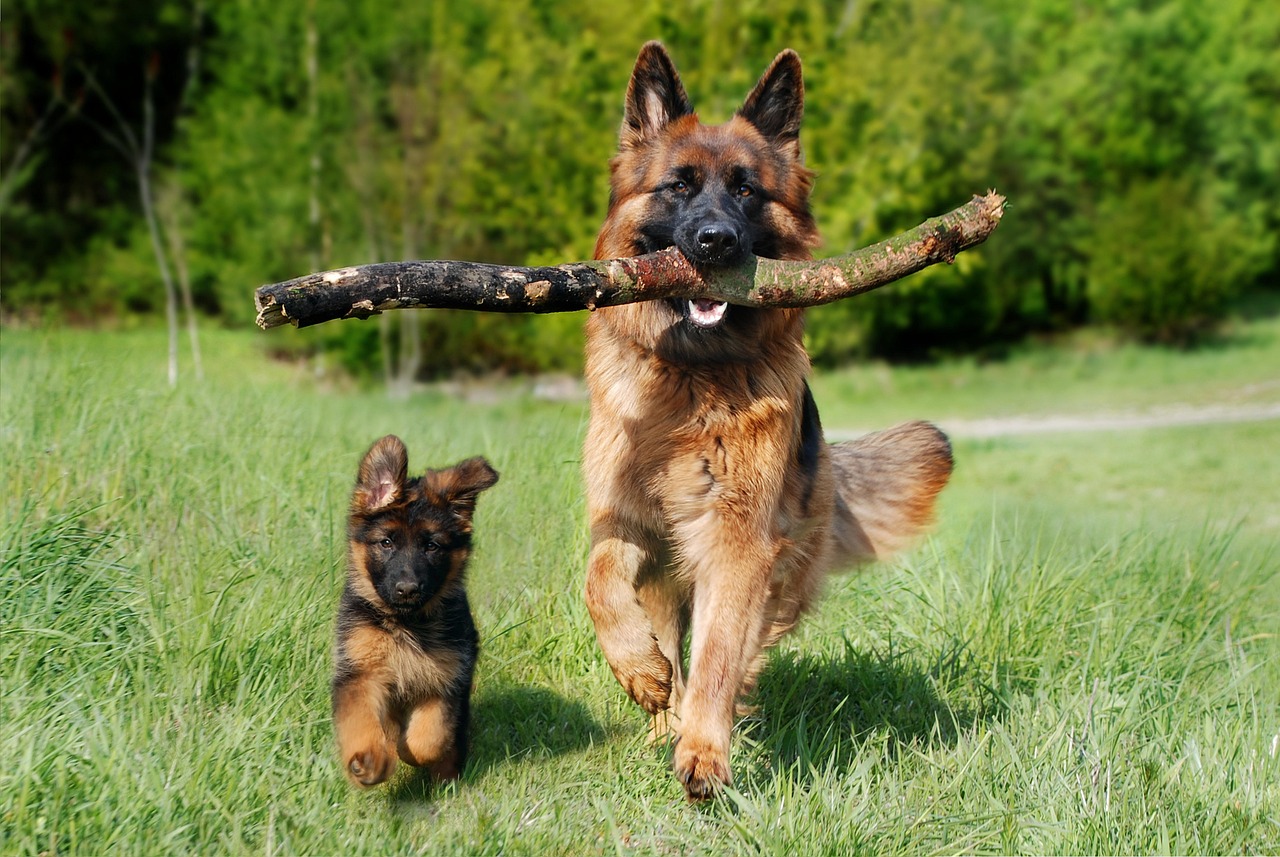
Playing fetch is a fun and interactive form of dog exercise that can provide dogs with a great workout. It is also a great way to spend time with dogs and strengthen the bond between dogs and their owners. Playing fetch can be adapted to suit dogs of all ages and abilities, from short, gentle games to longer, more challenging games.
- What You Gain:
- Improved physical health
- Reduced risk of health problems
- Improved mental health and wellbeing
- Challenges:
- Can be challenging for dogs that are not used to playing fetch
- Requires a high level of physical fitness
Playing fetch is best for dogs that are physically fit and have a high energy level.
Agility Training
Agility training is a high-intensity form of dog exercise that can provide dogs with a great workout. It is also a fun and interactive way to spend time with dogs and strengthen the bond between dogs and their owners. Agility training can be adapted to suit dogs of all ages and abilities, from short, gentle sessions to longer, more challenging sessions.
- What You Gain:
- Improved physical health
- Reduced risk of health problems
- Improved mental health and wellbeing
- Challenges:
- Can be challenging for dogs that are not used to agility training
- Requires a high level of physical fitness
Agility training is best for dogs that are physically fit and have a high energy level.
| Option | Best For | Difficulty | Cost | Speed |
|---|---|---|---|---|
| Walking | Beginners or dogs with mobility issues | Easy | Free | Slow |
| Running | Physically fit dogs with high energy levels | Challenging | Free | Fast |
| Swimming | Dogs with mobility issues or need low-impact exercise | Easy | Variable | Slow |
| Playing Fetch | Physically fit dogs with high energy levels | Challenging | Free | Fast |
| Agility Training | Physically fit dogs with high energy levels | Challenging | Variable | Fast |
How to Choose the Right One
Choosing the right dog exercise routine can be overwhelming, particularly for beginners. There are many different options available, each with its own unique benefits and challenges. To choose the right one, it is essential to consider the individual needs and abilities of the dog, as well as the lifestyle and preferences of the owner.
One of the most important factors to consider is the age and health of the dog. Puppies, for example, require more frequent and shorter exercise sessions, while older dogs may require less frequent and longer exercise sessions. Dogs with health problems, such as arthritis or obesity, may require low-impact forms of exercise, such as swimming or short walks.
Another important factor to consider is the breed and size of the dog. Some breeds, such as greyhounds and whippets, are bred for speed and require regular, high-intensity exercise. Other breeds, such as bulldogs and pugs, are more suited to short, gentle walks. Large dogs, such as labradors and golden retrievers, require more space and exercise than small dogs, such as chihuahuas and terriers.
The lifestyle and preferences of the owner are also important factors to consider. Owners who have busy schedules, for example, may prefer shorter, more frequent exercise sessions, while owners who have more time may prefer longer, less frequent sessions. Owners who enjoy outdoor activities, such as hiking or running, may prefer forms of exercise that allow them to participate with their dogs.
Ultimately, the key to choosing the right dog exercise routine is to find a balance between the individual needs and abilities of the dog and the lifestyle and preferences of the owner. By considering these factors and choosing a routine that is fun, engaging, and tailored to the individual needs of the dog, owners can help to ensure that their dogs lead happy, healthy, and fulfilling lives.
The Impact on Consumers
Choosing the right dog exercise routine can have a significant impact on the health and wellbeing of dogs, as well as the lifestyle and preferences of the owner. A well-structured exercise routine can help to reduce the risk of health problems, improve behavior, and enhance the overall quality of life for dogs. wellstructured exercise routine
One of the most significant benefits of dog exercise is the improvement in physical health. Regular exercise can help to reduce the risk of health problems, such as obesity and arthritis, and improve overall physical fitness. This can lead to a longer, healthier life for dogs, as well as reduced veterinary bills for owners.
Another significant benefit of dog exercise is the improvement in mental health and wellbeing. Regular exercise can help to reduce stress and anxiety, improve mood, and enhance overall mental wellbeing. This can lead to a happier, more relaxed dog, as well as a stronger bond between dogs and their owners.
Dog exercise can also have a significant impact on the lifestyle and preferences of the owner. A well-structured exercise routine can help to improve the overall quality of life for owners, by providing a fun and engaging way to spend time with their dogs. This can lead to a stronger bond between dogs and their owners, as well as a more fulfilling and enjoyable life for both.
In addition to these benefits, dog exercise can also have a significant impact on the community. A well-structured exercise routine can help to promote socialization, by providing opportunities for dogs and their owners to meet and interact with others. This can lead to a stronger sense of community, as well as a more supportive and connected network of dog owners.
Overall, choosing the right dog exercise routine can have a significant impact on the health and wellbeing of dogs, as well as the lifestyle and preferences of the owner. By finding a balance between the individual needs and abilities of the dog and the lifestyle and preferences of the owner, owners can help to ensure that their dogs lead happy, healthy, and fulfilling lives.
What It All Means
Creating a dog exercise routine is a crucial part of dog ownership, as it provides dogs with the physical and mental stimulation they need to thrive. By considering the individual needs and abilities of the dog, as well as the lifestyle and preferences of the owner, owners can choose a routine that is fun, engaging, and tailored to the individual needs of the dog. A well-structured exercise routine can help to reduce the risk of health problems, improve behavior, and enhance the overall quality of life for dogs, while also promoting socialization and community.
The key to creating a successful dog exercise routine is to find a balance between the individual needs and abilities of the dog and the lifestyle and preferences of the owner. By doing so, owners can help to ensure that their dogs lead happy, healthy, and fulfilling lives, while also promoting a stronger bond between dogs and their owners.
Ultimately, the decision to create a dog exercise routine is a personal one, and owners must consider their own unique circumstances and priorities when making this decision. However, by choosing a routine that is fun, engaging, and tailored to the individual needs of the dog, owners can help to ensure that their dogs lead happy, healthy, and fulfilling lives, while also promoting socialization and community.