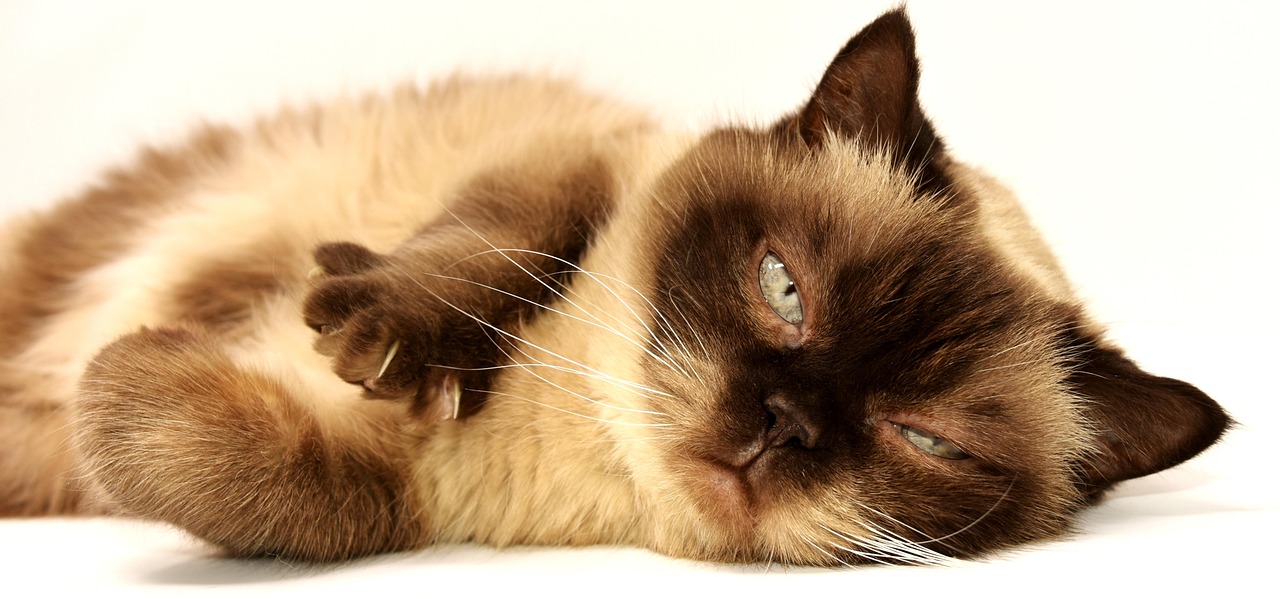
40% of cat owners believe that certain cat breeds are hypoallergenic, but is this really the case? The notion that some breeds are better suited for individuals with allergies has been a topic of discussion for a long time. However, research suggests that while some breeds may produce fewer allergens, no cat is 100% hypoallergenic. This misconception is just one of many surrounding cat breeds. Let’s take a look at the Maine Coon, for example, which is often believed to be a large, lazy cat. While it’s true that the Maine Coon is one of the larger domesticated breeds, its size does not necessarily determine its activity level. In fact, many Maine Coon owners describe their pets as playful and energetic. With over 70 recognized cat breeds worldwide, it’s no wonder that myths and misconceptions abound. From the Sphynx to the British Shorthair, each breed has its unique characteristics and needs. Understanding these differences is key to being a responsible and informed cat owner. By exploring the facts behind popular cat breeds, we can better appreciate these amazing animals and provide them with the care they deserve.
📝 Article Overview
Understanding Cat Breeds
The world of cat breeds is vast and diverse, with each breed having its own distinct history, physical characteristics, and personality traits. The domestic cat, scientifically known as Felis catus, is believed to have originated from the African wildcat, with evidence suggesting that domestication occurred in the Middle East around 10,000 years ago. Since then, through selective breeding, numerous breeds have been developed, catering to various preferences and needs. For instance, the Siamese, one of the oldest and most recognizable breeds, originated in Thailand (formerly known as Siam) and is known for its striking blue eyes and pointy ears. In contrast, the Ragdoll, developed in the 1960s, is a large and muscular breed with a soft, silky coat and a tendency to go limp when picked up, hence the name.
One of the most interesting aspects of cat breeds is their genetic diversity. Despite their differences in appearance and behavior, all domestic cats belong to the same species and can interbreed. This has led to the development of numerous hybrid breeds, combining the characteristics of two or more pure breeds. The Bengal, for example, is a cross between a domestic cat and an Asian leopard cat, known for its distinctive spotted or marbled coat and energetic personality.
| Breed | Origin | Physical Characteristics | Personality Traits |
|---|---|---|---|
| Siamese | Thailand | Short, fine coat in a variety of point colors | Extroverted, intelligent, and vocal |
| Ragdoll | United States | Soft, silky coat in a variety of colors and patterns | Docile, affectionate, and laid-back |
| Bengal | United States | Distinctive spotted or marbled coat | Energetic, playful, and curious |
| Maine Coon | United States | Long, flowing coat in a variety of colors and patterns | Intelligent, playful, and loyal |
Leading Cat Breeds
1. The Sphynx
The Sphynx, known for its lack of fur, is often misunderstood as being cold or requiring constant warmth. However, this breed has a higher metabolism than most cats, which helps to keep them warm. The Sphynx is also known for its sleek, muscular body and wedge-shaped head. Despite its appearance, the Sphynx is a gentle and affectionate breed, often described as Velcro cats due to their love of human contact. requiring constant warmth
One of the most distinctive features of the Sphynx is its skin, which requires regular grooming to maintain its health and appearance. Unlike most cats, the Sphynx needs to be bathed regularly to remove oils and dirt from its skin. This, combined with its need for protection from the sun, makes the Sphynx a high-maintenance breed. However, for those willing to provide the necessary care, the Sphynx can be a loving and entertaining companion.
- Strengths:
- Highly affectionate and loving
- Intelligent and curious, requiring mental stimulation
- Generally quiet, with a soft, melodious voice
2. The British Shorthair
The British Shorthair, with its sturdy build and short, easy-to-maintain coat, is a popular choice for many cat owners. This breed is known for its broad face, short legs, and dense, compact body. The British Shorthair is also recognized for its easy-going and affectionate nature, making it a great companion for families and individuals alike.
Despite its calm demeanor, the British Shorthair is not a lazy breed. They are playful and enjoy interactive toys, especially those that challenge their intelligence. With proper care and attention, the British Shorthair can live up to 12-17 years, making it a long-term companion for many families. Their short coat requires minimal grooming, but regular brushing can help reduce shedding and prevent hairballs.
- Strengths:
- Low maintenance grooming needs
- Playful, yet not overly demanding
- Generally healthy, with a long lifespan
3. The Persian
The Persian, one of the most recognizable breeds due to its long, fluffy coat, is often associated with a calm and gentle nature. This breed has a flat face, short nose, and large, round eyes, giving it a unique and endearing appearance. However, the Persian’s long coat requires regular grooming to prevent matting and tangling, which can be a significant commitment for owners.
Despite the grooming challenges, the Persian is a loving and loyal breed. They are not as demanding as some other breeds and are generally happy with a quiet, predictable routine. The Persian’s calm nature makes them a suitable choice for families with children or for those who prefer a more laid-back pet. However, their flat face can lead to respiratory issues, and their eyes are prone to tearing, requiring regular cleaning.
- Strengths:
- Calm and gentle, suitable for quiet households
- Loyal and loving to their owners
- Beautiful, unique appearance with proper grooming
4. The Maine Coon
The Maine Coon, one of the largest domesticated breeds, is often believed to be a large, lazy cat. However, this breed is known for its intelligence, playfulness, and energy. The Maine Coon has a distinctive shaggy coat and a bushy tail, with males weighing up to 25 pounds. Despite their size, they are agile and enjoy climbing, making them a great choice for families with space to accommodate their active nature.
One of the most appealing aspects of the Maine Coon is its friendly and outgoing personality. They are highly social and love human interaction, often seeking out attention and affection from their owners. The Maine Coon is also known for its intelligence and can be trained to perform tricks and obey commands. With proper care, the Maine Coon can live up to 12-15 years, making it a long-term companion for many families.
- Strengths:
- Intelligent and easy to train
- Playful and energetic, yet affectionate and loving
- Generally healthy, with a long lifespan
5. The Siamese
The Siamese, originating from Thailand, is one of the most recognizable breeds due to its striking pointy ears and blue eyes. This breed is known for its extroverted and intelligent nature, often described as talkative and demanding. The Siamese has a short, fine coat that comes in a variety of point colors, requiring minimal grooming but plenty of attention and interaction.
One of the most distinctive features of the Siamese is its vocal nature. They are known for their loud, raspy meow, which they use to communicate with their owners. The Siamese is highly social and thrives on human interaction, making them a great choice for families or individuals who are home frequently. However, their high energy levels and need for stimulation can make them challenging for busy owners or those who prefer a more laid-back pet.
- Strengths:
- Extroverted and social, loving human interaction
- Intelligent and curious, requiring mental stimulation
- Low maintenance grooming needs
Practical Takeaways
✔ Research Before Adopting Research Before Adopting
Understanding the needs and characteristics of different cat breeds is crucial before adopting. Each breed has its unique requirements, from grooming needs to energy levels, and matching these with an owner’s lifestyle is key to a happy and healthy relationship. For example, the Sphynx requires regular bathing and skin care, while the Persian needs daily grooming to prevent matting. By researching and understanding these needs, owners can provide the best possible care for their pets. crucial before adopting
✔ Provide Appropriate Care
Providing the right environment and care for a cat involves more than just food and shelter. Cats need stimulation, whether through toys, scratching posts, or interaction with their owners. The British Shorthair, for instance, enjoys interactive toys that challenge their intelligence, while the Maine Coon loves to climb and play. Regular veterinary check-ups are also essential to monitor health and catch any potential issues early. This includes vaccinations, dental care, and parasite control.
✔ Consider Lifestyle Compatibility
Choosing a cat breed that fits an owner’s lifestyle is crucial for a successful and happy relationship. For busy owners, a low-maintenance breed like the British Shorthair might be a better fit, while those with more time to dedicate to their pets might find the Siamese or Bengal more suitable. Factors such as living space, family dynamics, and work schedule should all be considered when selecting a breed. For example, families with small children might prefer a calm and patient breed like the Ragdoll, while single owners might enjoy the companionship of a more demanding breed like the Siamese.
✔ Understand the Importance of Genetics
Genetics play a significant role in the health and characteristics of cats. Responsible breeding practices aim to minimize genetic disorders and maximize the health and well-being of cats. Owners should be aware of the potential genetic issues in their breed of choice and work with reputable breeders who prioritize health testing and genetic diversity. For instance, the Persian is prone to respiratory issues due to its flat face, while the Maine Coon can be susceptible to hypertrophic cardiomyopathy, a heart condition.
✔ Prioritize Health and Wellness
Regular veterinary care, a balanced diet, and a safe living environment are essential for the health and wellness of cats. Preventative care, such as vaccinations and parasite control, can help prevent many health issues. Owners should also be aware of the signs of illness or distress in their cats and seek veterinary advice promptly if they have any concerns. This includes monitoring for changes in appetite, behavior, or physical condition, and being aware of breed-specific health issues.
✔ Build a Strong Bond
Building a strong bond with a cat involves spending quality time together, understanding their needs and personality, and providing a loving and stable environment. This can include playtime, grooming, and simply cuddling or sitting together. A strong bond can lead to a happier, healthier cat and a more rewarding relationship for the owner. For example, the Ragdoll loves to be held and cuddled, while the Bengal enjoys interactive play and challenging toys.
How This Will Evolve
- Increased Focus on Genetic Health
- Advancements in Veterinary Care
- Growing Interest in Hybrid Breeds
- More Emphasis on Cat Welfare
- Technological Innovations in Cat Care
As more becomes known about cat genetics and the impact on health, there will likely be a greater emphasis on genetic testing and responsible breeding practices to minimize genetic disorders. This could lead to healthier cats and a reduction in breed-specific health issues. For instance, genetic testing can identify carriers of certain diseases, allowing breeders to make informed decisions about breeding programs.
Advances in veterinary medicine will continue to improve the health and well-being of cats. This could include new treatments for common feline diseases, better diagnostic tools, and more effective preventative care measures. For example, advances in dental care can help prevent periodontal disease, a common issue in cats.
Hybrid breeds, created by crossing different pure breeds, are becoming increasingly popular. These breeds can offer unique characteristics and may help reduce the incidence of genetic disorders associated with pure breeding. However, it’s essential to work with reputable breeders who prioritize health and genetic diversity. For instance, the Bengal, a cross between a domestic cat and an Asian leopard cat, is known for its distinctive appearance and energetic personality.
There will be a continued focus on cat welfare, including efforts to reduce cat overpopulation, improve adoption rates, and enhance the lives of cats in shelters. This could involve community programs, educational initiatives, and support for rescue organizations. For example, trap-neuter-return (TNR) programs can help manage feral cat populations and improve the lives of these cats.
Technology is increasingly being used to improve cat care, from automated feeders and litter boxes to health monitoring systems and interactive toys. These innovations can help make cat ownership more convenient and enriching for both cats and their owners. For instance, microchip technology can help identify lost cats and reunite them with their owners.
| Breed | Average Lifespan | Weight Range | Grooming Needs |
|---|---|---|---|
| Siamese | 15-20 years | 8-12 pounds | Low |
| Ragdoll | 12-17 years | 12-20 pounds | Medium |
| Bengal | 12-16 years | 10-15 pounds | Low |
| Maine Coon | 12-15 years | 15-25 pounds | High |
To Sum Up
Understanding cat breeds and their unique characteristics, needs, and personalities is essential for any cat owner or enthusiast. By debunking common myths and misconceptions, individuals can make informed decisions about which breed is right for them and provide the best possible care for their pets. Whether it’s the playful Bengal, the affectionate Ragdoll, or the intelligent Siamese, each breed offers a unique companionship experience. As the world of cat breeds continues to evolve, with advancements in genetics, veterinary care, and technology, the future looks bright for these beloved animals.
The diversity of cat breeds is a testament to the versatility and adaptability of the domestic cat. From the sleek and muscular Sphynx to the fluffy and laid-back Persian, each breed has its own story to tell. By embracing this diversity and promoting responsible breeding practices, cat welfare, and education, we can ensure that cats continue to thrive as our companions and friends.
Ultimately, the key to a happy and rewarding relationship with a cat is understanding and mutual respect. By recognizing the individual needs and personalities of our feline companions, we can provide them with the care, love, and attention they deserve. As we look to the future, it’s clear that the world of cat breeds will continue to captivate and inspire us, offering a wealth of knowledge, companionship, and joy to all who are passionate about these incredible animals.