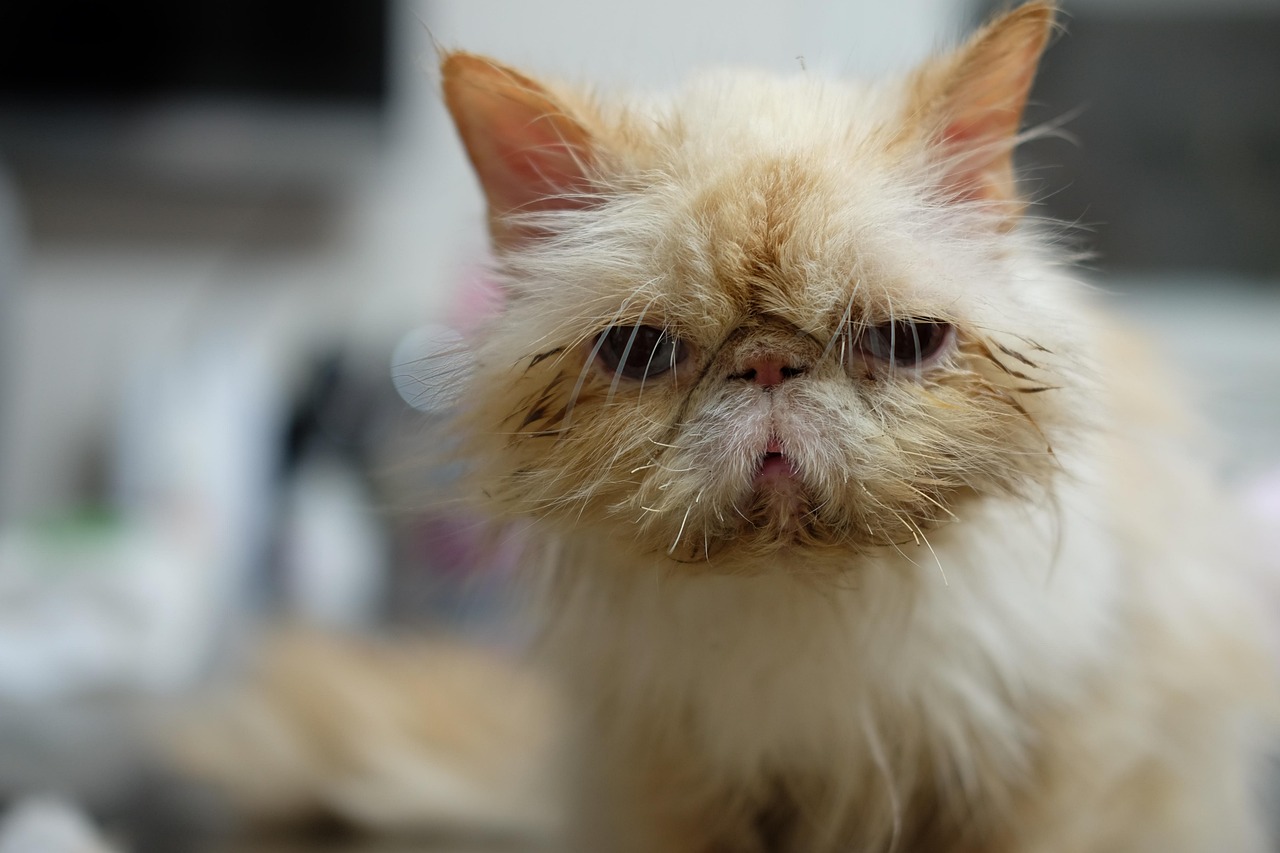
Cat owners often face the distressing reality of their pets suffering from various health issues. Before seeking professional advice, many cats struggle with undiagnosed ailments, only to have their conditions worsen over time. However, with the right knowledge and timely intervention, it’s possible to mitigate these problems and ensure a healthier, happier life for your feline companion. Sadly, many cats endure unnecessary suffering due to a lack of understanding about common cat health problems.
📝 Contents
Common Challenges With Cat Health Problems (Real Examples)
Urinary Tract Infections
Urinary tract infections (UTIs) are a common issue in cats, characterized by symptoms such as frequent urination, accidents outside the litter box, and visible discomfort. These infections occur due to bacterial invasion of the urinary system, often resulting from poor hygiene, anatomical issues, or an underlying medical condition. If left untreated, UTIs can lead to more severe complications, including kidney damage.
Dental Diseases
Dental diseases are prevalent among cats and can range from mild gum inflammation to severe tooth resorption. These conditions often stem from poor dental hygiene, leading to the accumulation of tartar and bacteria. As dental diseases progress, they can cause significant pain, affect appetite, and even lead to systemic infections. Regular dental care is crucial to prevent these issues.
Obesity
Feline obesity is a growing concern, with many cats being overfed or under-exercised. This condition increases the risk of various health problems, including diabetes, arthritis, and heart disease. Obesity in cats results from an imbalance between calorie intake and expenditure, often due to excessive feeding, lack of physical activity, or genetic predisposition. Managing a cat’s diet and ensuring regular exercise can help mitigate this issue. many cats being
Hyperthyroidism
Hyperthyroidism is a common endocrine disorder in older cats, characterized by an overproduction of thyroid hormones. This condition can lead to symptoms such as weight loss, increased appetite, and hyperactivity. Hyperthyroidism typically results from thyroid gland tumors or hyperplasia, and if untreated, can lead to serious complications like heart disease and secondary hypertension. Early diagnosis and appropriate treatment are vital for managing the condition.
Arthritis
Feline arthritis is a degenerative joint disease that affects many cats, especially as they age. This condition leads to pain, stiffness, and reduced mobility, significantly impacting the cat’s quality of life. Arthritis in cats often results from wear and tear on the joints over time, exacerbated by factors such as obesity, trauma, or congenital joint defects. Providing a comfortable environment, managing weight, and considering medical treatments can help alleviate the symptoms.
Core Cat Health Approaches
1. Regular Veterinary Check-Ups
Regular veterinary check-ups are essential for maintaining a cat’s health. These visits allow for early detection of potential issues, routine vaccinations, and personalized advice on diet and care. Implementing regular check-ups involves scheduling annual visits with a veterinarian, even if the cat seems healthy, as many conditions can be asymptomatic in their early stages.
- Plus Points:
- Early disease detection and intervention
- Preventive care against parasites and diseases
- Opportunity for dietary and lifestyle advice tailored to the cat’s needs
2. Balanced Nutrition
A well-balanced diet is critical for maintaining a cat’s health. Providing high-quality food that meets the cat’s nutritional needs can help prevent various health issues. Implementing a balanced nutrition plan involves selecting the right food based on the cat’s age, health status, and lifestyle, and ensuring fresh water is always available.
- Plus Points:
- Supports optimal health and energy levels
- Helps manage weight and reduce the risk of obesity-related diseases
- Contributes to healthy skin, coat, and digestive system
3. Hygiene and Grooming
Proper hygiene and regular grooming are vital for preventing health issues in cats. This includes cleaning the litter box regularly, brushing the cat’s fur to prevent matting and tangling, and maintaining good dental hygiene. Implementing good hygiene practices involves creating a routine for these tasks and ensuring the cat has a clean living environment.
- Plus Points:
- Reduces the risk of infections and parasites
- Prevents dental diseases and promotes fresh breath
- Enhances the cat’s overall comfort and well-being
4. Safe Environment
Ensuring a cat’s living environment is safe and stimulating is essential for their health and happiness. This involves removing hazards, providing adequate space and vertical territory, and offering toys and scratching posts. Implementing a safe environment requires assessing the home for potential dangers and making necessary adjustments.
- Plus Points:
- Reduces the risk of accidents and injuries
- Supports physical and mental health through exercise and stimulation
- Encourages natural behaviors and satisfaction
5. Mental Stimulation
Mental stimulation is crucial for a cat’s mental health and can help prevent boredom, stress, and related behavioral issues. This can be achieved through play, interactive toys, and environmental enrichment. Implementing mental stimulation involves dedicating time to engage with the cat in activities that challenge and Interest them.
- Plus Points:
- Enhances cognitive function and engagement
- Reduces stress and anxiety
- Fosters a stronger bond between the cat and owner
6. Health Monitoring
Monitoring a cat’s health at home is an essential part of preventive care. This includes observing for signs of illness or distress, tracking appetite and water intake, and noting any changes in behavior or physical condition. Implementing health monitoring involves being vigilant and keeping a record of the cat’s health indicators.
- Plus Points:
- Allows for early detection of potential health issues
- Provides valuable information for veterinary consultations
- Encourages a proactive approach to the cat’s health care
| Approach | Old Way | Better Way | Result |
|---|---|---|---|
| Health Checks | Occasional visits to the vet when symptoms appear | Regular, scheduled check-ups for preventive care | Early detection and management of health issues |
| Diet | Feeding low-quality, generic cat food | Providing high-quality, nutritionally balanced food tailored to the cat’s needs | Improved overall health, reduced risk of diet-related diseases |
| Environment | Keeping cats in small, unstimulating spaces | Providing spacious, well-equipped environments that encourage physical and mental health | Happier, healthier cats with reduced stress and boredom |
| Hygiene | Neglecting dental care and litter box maintenance | Prioritizing regular dental hygiene and litter box cleaning | Reduced risk of infections, dental diseases, and related health issues |
| Monitoring | Ignoring subtle signs of illness or distress | Actively monitoring for signs of illness and maintaining a health record | Early intervention in case of health issues, improved veterinary care |
Practical Takeaways
A cat owner in California noticed significant improvements in their cat’s health after switching to a high-quality diet and ensuring regular veterinary check-ups. The cat, previously lethargic and overweight, became more active and lost weight, demonstrating the importance of nutrition and preventive care in feline health.
In the UK, a study found that cats receiving regular dental care had a lower incidence of dental diseases and related systemic infections, highlighting the value of hygiene in maintaining overall health.
A case in Australia involved a cat that suffered from chronic arthritis, but through a combination of weight management, environmental adjustments, and medical treatment, the cat’s quality of life was significantly improved, illustrating the effectiveness of a multifaceted approach to managing chronic conditions.
In New York, a cat owner successfully reduced their cat’s stress and boredom by introducing interactive toys and scratching posts, leading to a happier, more engaged pet and demonstrating the importance of mental stimulation.
A veterinary clinic in Canada reported a decrease in the number of cats presenting with preventable conditions, such as urinary tract infections and obesity, after launching an educational campaign on preventive care and healthy lifestyles for cats, underscoring the impact of awareness and education on feline health.
Step-by-Step Action Plan
- Schedule a veterinary check-up to assess the cat’s current health status and receive personalized advice, because early detection and intervention are key to managing health issues. This initial step sets the foundation for a proactive approach to the cat’s health care.
- Review and adjust the cat’s diet to ensure it is nutritionally balanced and appropriate for the cat’s age, health, and lifestyle, as diet plays a critical role in overall health and the prevention of diet-related diseases. Consult with a veterinarian to choose the best food for the cat.
- Implement a regular grooming routine, including brushing, nail trimming, and dental care, to prevent matting, tangling, and dental diseases, and to enhance the cat’s comfort and well-being. Regular grooming also strengthens the bond between the cat and owner.
- Assess the home environment and make necessary adjustments to ensure it is safe, stimulating, and meets the cat’s physical and mental needs, including providing vertical space, toys, and scratching posts. A well-designed environment reduces the risk of accidents and promotes health.
- Engage in play and provide mental stimulation through interactive toys and activities to prevent boredom, stress, and related behavioral issues, and to support cognitive function. This approach encourages a healthier, more engaged cat.
- Establish a routine for monitoring the cat’s health, including tracking appetite, water intake, and observing for signs of illness or distress, to facilitate early detection and intervention in case of health issues. Keeping a health record is invaluable for veterinary consultations.
- Stay informed about cat health, behavior, and nutrition through reputable sources, and be open to adjusting care strategies as new information becomes available, because ongoing education is essential for providing the best possible care for the cat. This commitment to knowledge ensures the cat receives the most current and effective care practices.
Wrapping Up
Cat health problems can be challenging and distressing, but with the right knowledge, strategies, and commitment, many issues can be prevented or effectively managed. By understanding common health challenges, implementing core health approaches, and taking practical steps towards a healthier lifestyle, cat owners can significantly improve their feline companion’s quality of life. As research and awareness about feline health continue to evolve, the future holds promise for better, more effective ways to care for our cats, ensuring they lead long, happy, and healthy lives.