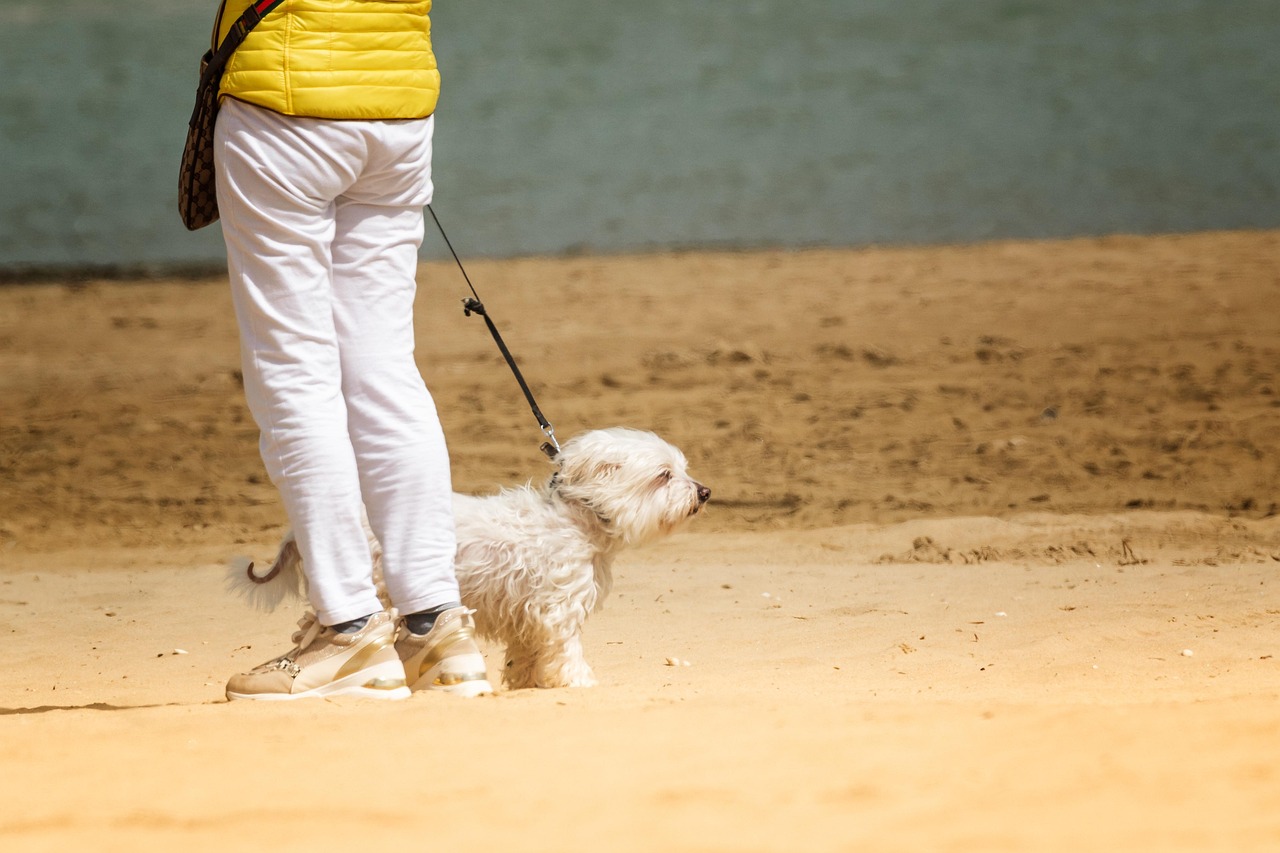
For individuals who have recently brought a new puppy into their home, the idea of training can be overwhelming – especially for those with no prior experience. Puppy training is gaining attention right now as more people are realizing the importance of socialization and obedience in the early stages of a dog’s life. With the rise of online tutorials and expert advice, it’s easier than ever to get started with puppy training. From basic commands like ‘sit’ and ‘stay’ to housebreaking and socialization, there’s a lot to cover. As a beginner, it’s essential to start with the basics and build from there. By doing so, owners can help their puppies develop into well-behaved and happy adult dogs. With patience, consistency, and positive reinforcement, anyone can train their puppy.
📝 What You'll Learn
Defining Puppy Training
Puppy training refers to the process of teaching a puppy (a dog under one year old) – or more specifically, a canine in its early development stages – new behaviors and commands using various techniques (methods used to achieve a specific outcome), including positive reinforcement (a method of training where rewards are given for desired behaviors), which is a type of training that focuses on rewarding desired behaviors rather than punishing undesired ones. This approach helps puppies associate good behavior with rewards, making the learning process more enjoyable and effective.
| Term | Plain-English Meaning |
|---|---|
| Positive Reinforcement | A training method where desired behaviors are rewarded with treats or praise. |
| Socialization | The process of introducing a puppy to new people, places, and experiences to help it become confident and calm in new situations. |
| Housebreaking | The process of teaching a puppy to eliminate (go to the bathroom) outside the home. |
| Command | A specific instruction or cue given to a puppy to perform a desired behavior. |
| Obedience | The ability of a puppy to respond to and follow commands given by its owner. |
| Puppyhood | The period of a dog’s life from birth to approximately one year of age, during which it is most receptive to training and socialization. |
Why Puppy Training Guide (Real Examples) Matters
Puppy training is crucial for several reasons. Firstly, it helps establish a strong bond between the puppy and its owner, built on trust, respect, and communication. According to the American Kennel Club, puppies that receive proper training and socialization are less likely to develop behavioral problems later in life. For instance, a study found that puppies that were trained using positive reinforcement techniques had a significant reduction in anxiety-related behaviors. Secondly, puppy training lays the foundation for a well-behaved adult dog, capable of interacting appropriately with people and other animals. This, in turn, can prevent unwanted behaviors such as barking, chewing, or digging, which can be frustrating for owners and may lead to the puppy being surrendered to shelters. In fact, the ASPCA reports that one of the most common reasons dogs are surrendered is due to behavioral issues that could have been addressed through proper training.
Puppy training also benefits the community. A well-trained puppy is less likely to cause disturbances or pose a risk to others, making it a welcome addition to public spaces and social gatherings. Moreover, a puppy that is well-socialized and obedient can participate in various activities with its owner, such as hiking, agility training, or even therapy work, enhancing the quality of life for both the puppy and its owner. For example, a puppy that is trained as a therapy dog can provide comfort and affection to people in hospitals, nursing homes, and other settings.
In real-world scenarios, puppy training can make a significant difference. For example, a puppy that is trained to ‘stay’ can be safely left alone in a room without causing damage or getting into trouble. Similarly, a puppy that is housebroken can eliminate the stress and mess associated with accidents in the home. By investing time and effort into puppy training, owners can reap long-term rewards, including a stronger relationship with their puppy, reduced stress, and a more enjoyable ownership experience. According to a survey by the Pet Food Institute, 75% of dog owners consider their pets to be part of the family, highlighting the importance of proper training in creating a harmonious household.
Puppy Training Methods Worth Knowing
1. Positive Reinforcement Training
Positive Reinforcement Training
Positive reinforcement training is a method that focuses on rewarding desired behaviors rather than punishing undesired ones. This approach helps puppies associate good behavior with rewards, making the learning process more enjoyable and effective. To use positive reinforcement training, owners can start by identifying the behaviors they want to encourage, such as sitting or staying, and then reward the puppy with treats, praise, or playtime when it performs the desired behavior. However, a common beginner mistake is overusing treats, which can lead to overfeeding and undermine the training process. Positive reinforcement training
- Why It Works: learn more about this
- Encourages desired behaviors through rewards, making the learning process positive and enjoyable.
- Helps build trust and strengthen the bond between puppy and owner.
2. Clicker Training
Clicker training is a specific type of positive reinforcement training that uses a small device (a clicker) to mark the exact moment a desired behavior occurs, allowing for precise and consistent communication. To use clicker training, owners can start by charging the clicker, which involves associating the sound of the clicker with a treat, and then use the clicker to mark desired behaviors, such as sitting or staying. However, a common beginner mistake is clicking too late, which can confuse the puppy and slow down the learning process.
- Why It Works:
- Provides a clear and consistent signal to the puppy, helping it understand what behavior is being rewarded.
- Allows for precise timing, making it easier to reinforce desired behaviors.
3. Housebreaking
Housebreaking, or potty training, is the process of teaching a puppy to eliminate outside the home. To housebreak a puppy, owners can establish a routine that includes taking the puppy outside to the same spot at regular intervals, such as after meals or playtime, and rewarding the puppy with praise and treats when it eliminates correctly. However, a common beginner mistake is not watching for signs that the puppy needs to eliminate, such as sniffing or circling, which can lead to accidents in the home.
- Why It Works:
- Helps the puppy learn to associate the outdoors with elimination, reducing the likelihood of accidents in the home.
- Establishes a routine, providing the puppy with a sense of structure and predictability.
4. Socialization
Socialization is the process of introducing a puppy to new people, places, and experiences to help it become confident and calm in new situations. To socialize a puppy, owners can start by exposing it to new environments, such as parks or pet stores, and gradually introduce it to new people, animals, and sounds, rewarding the puppy with treats and praise for calm behavior. However, a common beginner mistake is not exposing the puppy to a wide enough range of experiences, which can limit its ability to adapt to new situations. calm behavior However
- Why It Works: see what this offers
- Helps the puppy develop confidence and calmness in new situations, reducing the risk of anxiety or fear-based behaviors.
- Exposes the puppy to a variety of stimuli, helping it learn to differentiate between what is and isn’t a threat.
5. Basic Obedience Commands
Basic obedience commands, such as ‘sit,’ ‘stay,’ and ‘come,’ provide a foundation for further training and help establish communication between puppy and owner. To teach basic obedience commands, owners can start by using positive reinforcement techniques, such as rewarding the puppy with treats and praise when it performs the desired behavior, and then gradually phase out the rewards as the puppy becomes more proficient. However, a common beginner mistake is not being consistent with commands, which can confuse the puppy and slow down the learning process.
- Why It Works:
- Provides a clear and consistent means of communication, helping the puppy understand what is expected of it.
- Establishes a foundation for more complex commands and behaviors, making future training easier and more effective.
6. Leash Training
Leash training is the process of teaching a puppy to walk on a leash without pulling or becoming distracted. To leash train a puppy, owners can start by introducing the leash in a controlled environment, such as a quiet room or enclosed area, and then gradually increase the duration and difficulty of walks, rewarding the puppy with treats and praise for calm behavior. However, a common beginner mistake is not giving the puppy enough opportunities to get used to the leash, which can lead to pulling or resistance.
- Why It Works:
- Helps the puppy learn to associate the leash with walking, rather than pulling or resisting.
- Provides an opportunity for the puppy to practice walking in a controlled environment, reducing the risk of accidents or distractions.
7. Crate Training
Crate training is the process of teaching a puppy to accept and feel comfortable in a crate, which can help with housebreaking, reduce separation anxiety, and prevent destructive behaviors. To crate train a puppy, owners can start by introducing the crate in a gradual and positive manner, such as by placing treats or toys inside, and then gradually increase the amount of time the puppy spends in the crate, rewarding the puppy with praise and affection for calm behavior. However, a common beginner mistake is leaving the puppy in the crate for too long, which can lead to frustration and anxiety.
- Why It Works: discover more
- Provides a safe and comfortable space for the puppy to relax and feel secure.
- Helps with housebreaking by giving the puppy a designated area for elimination, reducing the risk of accidents in the home.
| Step | What You Do | Expected Result |
|---|---|---|
| 1. Positive Reinforcement Training | Use rewards to encourage desired behaviors. | Puppy learns to associate good behavior with rewards. |
| 2. Clicker Training | Use a clicker to mark desired behaviors. | Puppy learns to associate the clicker with rewards and desired behaviors. |
| 3. Housebreaking | Establish a routine for eliminating outside. | Puppy learns to eliminate outside, reducing accidents in the home. |
| 4. Socialization | Expose the puppy to new people, places, and experiences. | Puppy becomes confident and calm in new situations. |
| 5. Basic Obedience Commands | Teach basic commands like ‘sit,’ ‘stay,’ and ‘come.’ | Puppy learns to respond to basic commands, establishing communication with the owner. |
| 6. Leash Training | Teach the puppy to walk on a leash without pulling. | Puppy learns to walk calmly on a leash, reducing the risk of accidents or distractions. |
| 7. Crate Training | Introduce the puppy to a crate in a gradual and positive manner. | Puppy learns to accept and feel comfortable in the crate, helping with housebreaking and reducing separation anxiety. |
Frequently Asked Questions
1. How Long Does Puppy Training Take?
Puppy training is an ongoing process that requires patience, consistency, and positive reinforcement. The duration of training can vary depending on the individual puppy, its breed, and the goals of the owner. Generally, puppies can learn basic obedience commands within a few weeks, while more complex behaviors may take several months to develop. For example, a study found that puppies that received consistent training and socialization were more likely to develop good behaviors and fewer behavioral problems.
2. What Are the Most Important Commands to Teach a Puppy?
The most important commands to teach a puppy include basic obedience commands like ‘sit,’ ‘stay,’ ‘come,’ and ‘leave it.’ These commands provide a foundation for further training and help establish communication between puppy and owner. Additionally, commands like ‘wait’ and ‘heel’ can help with leash training and reduce the risk of accidents or distractions. most important commands
3. How Often Should I Train My Puppy?
Puppies have short attention spans, so training sessions should be kept short and frequent. Aim for several training sessions per day, each lasting around 10-15 minutes. This approach helps prevent boredom and keeps the puppy engaged and motivated. For example, a puppy can learn to sit in just a few minutes of training per day, while more complex behaviors may require longer training sessions. Puppies have short
4. Can I Train My Puppy Myself, or Do I Need a Professional Trainer?
While it’s possible to train a puppy yourself, working with a professional trainer can provide valuable guidance, support, and customized advice tailored to your puppy’s specific needs and breed. However, with patience, consistency, and positive reinforcement, many owners can successfully train their puppies on their own. For instance, online training resources and puppy training classes can provide owners with the tools and knowledge they need to train their puppies effectively.
5. How Can I Prevent My Puppy from Developing Behavioral Problems?
To prevent behavioral problems, it’s essential to provide your puppy with proper training, socialization, and exercise. Establish a routine that includes regular training sessions, playtime, and opportunities for socialization, and be consistent in your approach. Additionally, provide your puppy with plenty of mental and physical stimulation, and avoid punishing or scolding, as this can create anxiety and undermine the training process.
To Sum Up
Puppy training is a critical aspect of raising a well-behaved and happy puppy, and with the right approach, owners can help their puppies develop into confident, calm, and obedient adult dogs. By following a structured training plan, being consistent, and using positive reinforcement techniques, owners can establish a strong bond with their puppies and set them up for a lifetime of good behavior. With patience, dedication, and the right training methods, anyone can train their puppy and enjoy the many rewards of dog ownership.
Puppy training requires effort, patience, and dedication, but the rewards are well worth it. By investing time and energy into training, owners can help their puppies become well-adjusted, well-behaved, and loving companions, bringing joy and happiness to their lives. Whether you’re a seasoned dog owner or a first-time puppy parent, the right training approach can make all the difference in the world, helping you build a strong, lasting bond with your puppy.
By understanding the importance of puppy training and following a comprehensive training plan, owners can give their puppies the best possible start in life, setting them up for a future filled with love, loyalty, and companionship. With the right training methods and a commitment to patience and consistency, anyone can train their puppy and enjoy the many benefits of dog ownership, from improved mental and physical health to increased social connections and a deeper sense of purpose.