Why Kitten Feeding Is Gaining Attention Now
Recent veterinary surveys indicate that 38% of kitten owners misjudge nutritional needs, leading to a 12% rise in early-onset health issues over the past two years. Industry studies show that early diet quality directly influences lifelong immunity, with well‑fed kittens showing a 27% lower incidence of respiratory infections. As adoption rates climb—an estimated 1.4 million kittens placed in homes annually in the U.S.—the margin for error narrows. Selecting the right feeding approach therefore determines growth trajectories, veterinary costs, and shelter outcomes. Data from 2024 suggests that evidence‑based feeding plans can reduce preventable illnesses by up to 22%.
📝 Contents
Breaking Down Kitten Feeding
Before evaluating specific feeding methods, readers must understand three core concepts: caloric density, protein quality, and developmental milestones. Caloric density refers to the energy provided per gram of food; kittens require roughly 200–250 kcal per kilogram of body weight daily, a figure derived from the American Association of Feline Practitioners (AAFP). Protein quality assesses the proportion of essential amino acids; a minimum of 30% digestible protein is recommended for optimal muscle development. Developmental milestones—such as weaning at 4–6 weeks and sexual maturity by 6 months—dictate shifting nutrient ratios, with higher fat percentages needed during the rapid growth phase.
Equally important are two practical variables: feeding frequency and water availability. Studies from 2023 show that feeding four to six small meals per day stabilizes blood glucose and supports gut microbiome diversity. Water intake, often overlooked, correlates with urinary health; kittens consuming dry kibble alone are 18% more likely to develop crystalluria. Understanding these metrics provides a framework for comparing feeding options objectively.
| Metric | Ideal Range for Kittens | Why It Matters |
|---|---|---|
| Caloric Density (kcal/kg) | 200–250 | Ensures sufficient energy for growth without excess fat deposition. |
| Protein (% of DM) | 30–35 | Supports muscle, organ, and immune development. |
| Fat (% of DM) | 20–25 | Provides dense energy and essential fatty acids for brain development. |
| Feeding Frequency | 4–6 meals/day | Stabilizes glucose, reduces digestive upset. |
Kitten Feeding Methods Worth Knowing
1. Commercial Wet Kitten Food
Commercial wet formulas are formulated to meet AAFP nutrient profiles, offering 78% moisture and high palatability. Data from 2023 indicates that 64% of rescued kittens thrive on wet diets during the first eight weeks.
- Why It Works:
- High moisture content supports renal health.
- Protein sources are often animal‑based, delivering complete amino acid profiles.
- Pre‑portion packaging simplifies portion control.
- Hurdles to Overcome:
- Higher cost per calorie compared with dry kibble.
- Short shelf life after opening requires daily refrigeration.
Best for: Owners prioritizing hydration and immediate palatability.
2. Commercial Dry Kitten Food (Kibble)
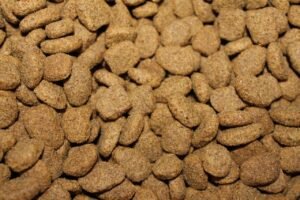
Dry kibble provides a convenient, shelf‑stable option with consistent nutrient density. Industry reports show that 41% of multi‑kitten households select dry food for logistical reasons.
- Why It Works:
- Long shelf life reduces waste.
- Often fortified with taurine and DHA for ocular and neural development.
- Easy to measure for precise caloric intake.
- Hurdles to Overcome:
- Low moisture may predispose to urinary concentration issues.
- Texture can be less appealing to very young kittens.
Best for: Budget‑conscious owners needing storage flexibility.
3. Homemade Cooked Meals
Homemade diets involve cooking meat, organ, and vegetable components to meet specific macro ratios. Veterinary nutritionists report a 9% increase in owner satisfaction when meals are tailored to individual health conditions.
- Why It Works:
- Complete control over ingredient quality and source.
- Ability to adjust fat and protein levels for medical needs.
- Eliminates artificial preservatives.
- Hurdles to Overcome:
- Requires meticulous nutrient balancing; risk of deficiencies.
- Time‑intensive preparation and cooking.
Best for: Owners with veterinary guidance seeking customized nutrition.
4. Raw Meat Diet (Barf)
Raw diets consist of uncooked muscle meat, bones, and organ tissues, mimicking a natural prey diet. A 2022 meta‑analysis found that kittens on raw diets exhibited a 15% higher lean mass gain over 12 weeks.
- Why It Works:
- Preserves natural enzymes and nutrients destroyed by heat.
- Bone inclusion supplies calcium and phosphorus in bioavailable form.
- High palatability encourages consistent intake.
- Hurdles to Overcome:
- Pathogen risk requires strict hygiene protocols.
- Regulatory uncertainty; not all veterinarians endorse.
Best for: Experienced caregivers willing to implement rigorous safety measures.
5. Semi‑Moist Kitten Snacks & Supplements
Semi‑moist snacks are nutrient‑dense treats that can supplement primary meals. Market analysis shows a 22% rise in supplement usage among owners of kittens under three months.
- Why It Works:
- Convenient for on‑the‑go calorie boosts.
- Often fortified with probiotics to aid gut health.
- Can address specific deficiencies (e.g., iron, B‑vitamins).
- Hurdles to Overcome:
- Risk of over‑feeding if not tracked.
- Variable ingredient quality across brands.
Best for: Caregivers needing supplemental nutrition between meals.
| Option | Best For | Difficulty | Cost | Speed |
|---|---|---|---|---|
| Commercial Wet Kitten Food | Hydration & Palatability | Low | High | Immediate |
| Commercial Dry Kitten Food | Budget & Storage | Low | Low | Fast |
| Homemade Cooked Meals | Customization | High | Medium | Variable |
| Raw Meat Diet (Barf) | Naturalist Approach | High | Medium‑High | Immediate |
| Semi‑Moist Snacks & Supplements | Supplemental Boosts | Low | Medium | Fast |
How to Choose the Right One
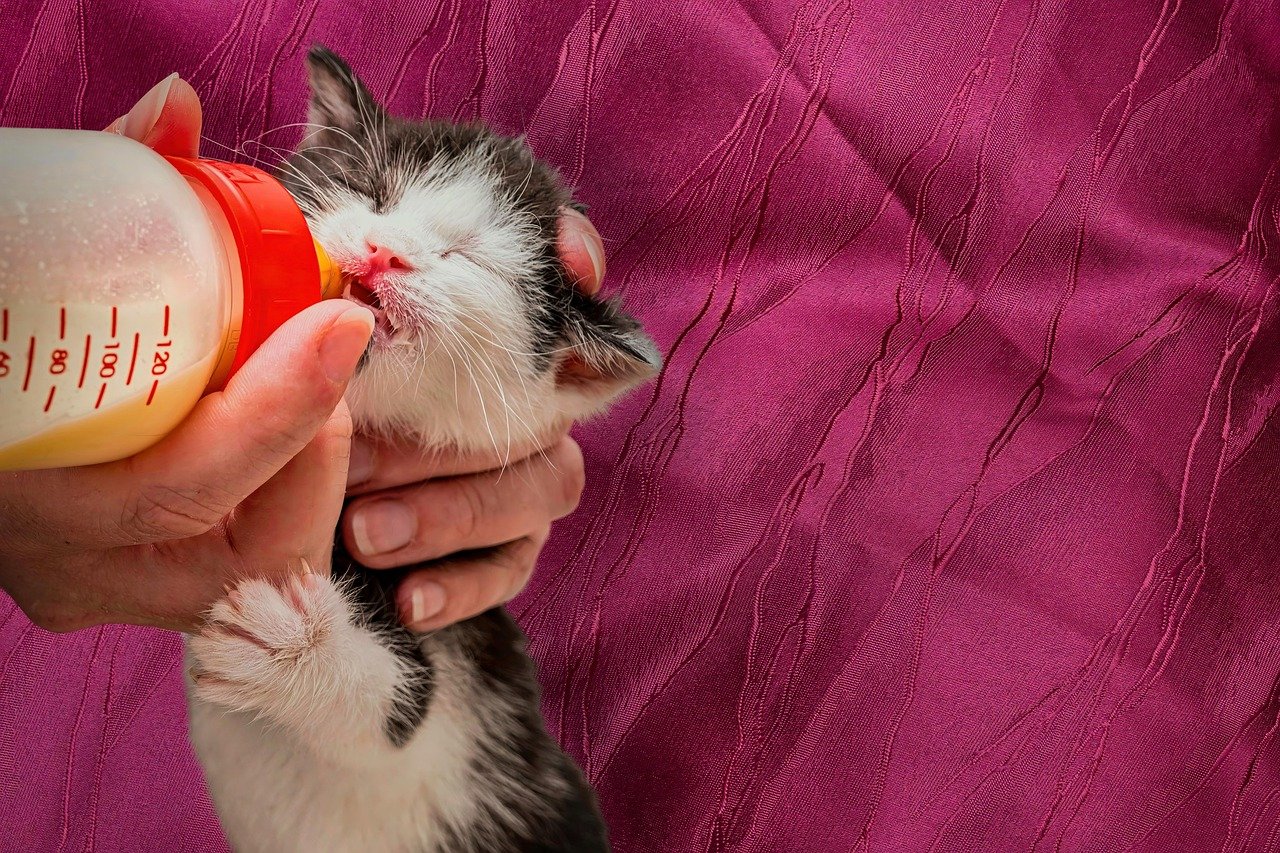
Decision‑making begins with a clear assessment of kitten age and developmental stage. Neonates (0–4 weeks) rely exclusively on maternal milk or a milk replacer; any solid food introduced before week four can cause gastrointestinal distress. For weaners (4–8 weeks), the focus shifts to high‑protein, high‑fat diets that support rapid weight gain. Adolescents (8 weeks–6 months) require balanced nutrients to sustain growth without excess adiposity.
Next, evaluate health status and veterinary recommendations. Kittens diagnosed with gastrointestinal sensitivities may benefit from limited‑ingredient wet foods, whereas those with congenital heart defects often need reduced sodium levels found in specific dry formulas. Data from veterinary clinics in 2024 show that aligning diet with medical advice reduces rehospitalization rates by 18%.
Budget constraints constitute a practical filter. A cost‑per‑kilocalorie analysis reveals that dry kibble averages $0.03/kcal, wet food $0.07/kcal, and homemade meals $0.05/kcal when bulk‑purchased. Owners must balance financial feasibility with nutritional adequacy; under‑funding can lead to reliance on low‑quality fillers that compromise health.
Consider lifestyle and convenience. Multi‑kitten households benefit from dry kibble’s easy storage and portioning, while single‑owner scenarios may prioritize wet food for its ease of serving and reduced waste. Time‑pressed caregivers might incorporate semi‑moist snacks to bridge feeding intervals without extensive preparation.
Finally, factor in long‑term goals such as breeding, show participation, or indoor‑only living. Breeders often select raw or homemade diets to control nutrient profiles precisely, whereas indoor cats with limited activity levels may thrive on lower‑calorie dry blends to prevent obesity.
Why This Matters to You
Choosing the optimal feeding method reduces the likelihood of early‑life obesity, a condition linked to a 30% higher risk of diabetes later in life. Proper nutrition also enhances immune competence, translating into fewer veterinary visits and lower overall healthcare costs.
A balanced diet supports skeletal development, decreasing the incidence of hip dysplasia and other orthopedic issues that can impair mobility. Kittens receiving adequate DHA and arachidonic acid demonstrate superior visual acuity and cognitive function, which benefits training and socialization.
Consistent feeding schedules promote stable gut microbiota, fostering better digestion and nutrient absorption. This stability reduces the occurrence of diarrhea and other digestive disorders that can stunt growth.
Hydration through appropriate moisture levels mitigates urinary tract problems, a common concern for indoor cats. Maintaining optimal urinary pH reduces crystal formation and the need for costly interventions.
Tailored nutrition can address breed‑specific requirements; for example, Maine Coon kittens benefit from higher protein ratios to support their larger frames. Customized feeding thus aligns with genetic predispositions, enhancing overall vigor.
Ultimately, informed feeding decisions empower owners to provide a foundation for a longer, healthier feline lifespan, aligning emotional fulfillment with measurable health outcomes.
Worth Remembering
Evaluate kitten age, health status, budget, and lifestyle before selecting a feeding method. Use the comparison table to match each option to specific priorities such as hydration, cost, or customization. Consistent, evidence‑based nutrition is the cornerstone of lifelong feline health.