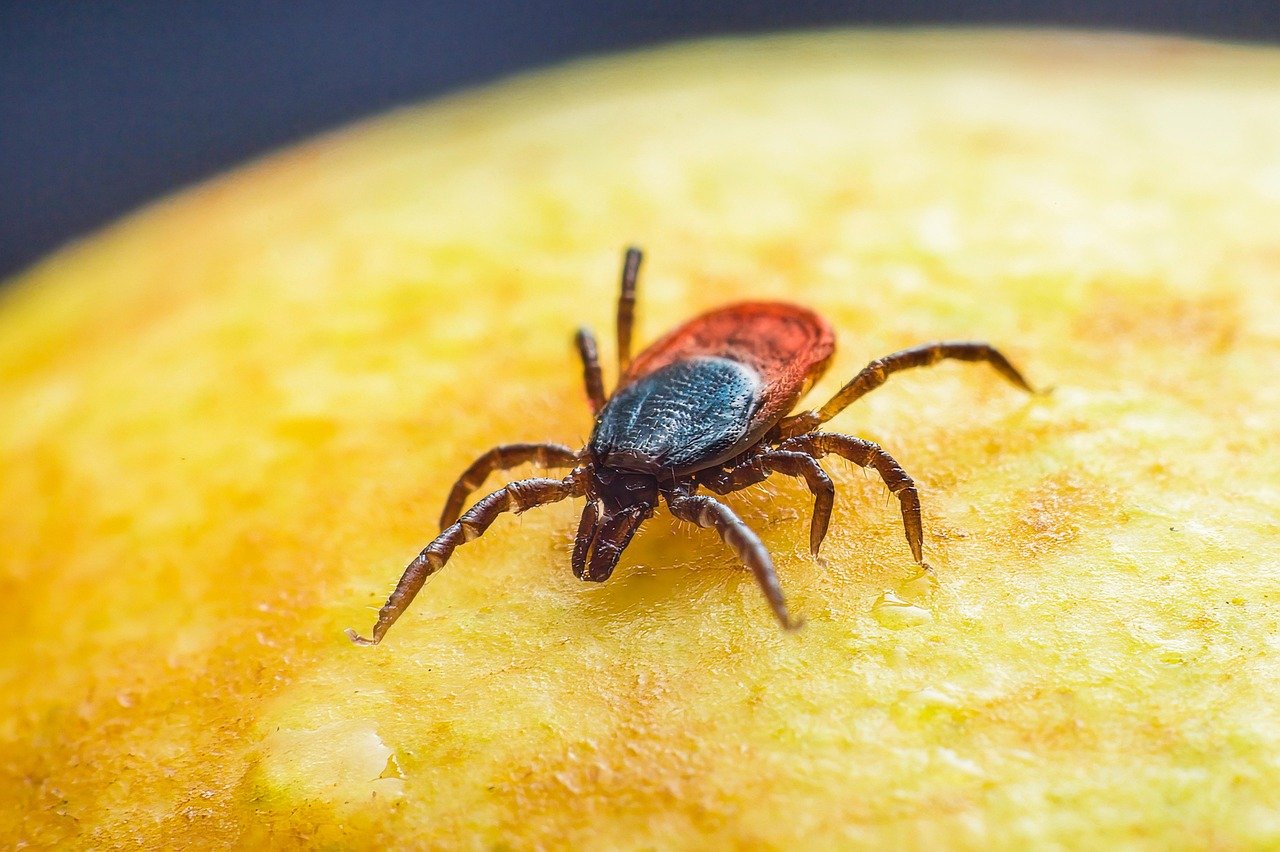
For dog owners, the mere mention of fleas and ticks can evoke a sense of dread. These parasites can cause significant discomfort for pets and even lead to serious health issues. One medication that has gained popularity in recent years for preventing these pests is Trifexis. However, despite its widespread use, there are many misconceptions about Trifexis. For beginners who are just discovering Trifexis, it’s essential to understand what it is, how it works, and the myths that surround it. Trifexis is used by over a million dog owners worldwide. Over 90% of veterinarians recommend it. It’s a monthly, chewable tablet.
📝 Quick Navigation
What Does Trifexis Mean?
Trifexis is a combination of two active ingredients: spinosad and milbemycin oxime. Spinosad kills adult fleas and prevents flea eggs from hatching, while milbemycin oxime prevents heartworm disease and treats and controls intestinal parasites. This dual-action formula makes Trifexis an effective and convenient solution for dog owners looking to protect their pets from both external and internal parasites.
| Term | Plain-English Meaning |
|---|---|
| Spinosad | An ingredient that kills adult fleas and prevents flea eggs from hatching. |
| Milbemycin Oxime | An ingredient that prevents heartworm disease and treats and controls intestinal parasites. |
| Flea Preventative | Medication that stops fleas from infesting a dog. |
| Heartworm Disease | A serious condition caused by parasitic worms that live in the heart and lungs of an infected dog. |
| Intestinal Parasites | Worms that live inside a dog’s intestines, such as hookworms, roundworms, and whipworms. |
| Monthly Dosage | A once-a-month treatment schedule to maintain protection against parasites. |
Why Trifexis Matters
In the United States alone, over 70 million dogs are at risk of flea and tick infestations. These parasites can cause significant discomfort, including itching, scratching, and skin irritation, and can also transmit serious diseases like ehrlichiosis and anaplasmosis. For instance, in 2020, the Centers for Disease Control and Prevention (CDC) reported over 50,000 cases of tick-borne diseases in humans, highlighting the importance of parasite control in dogs as well as humans. Trifexis plays a critical role in preventing these issues by providing a comprehensive solution against both external and internal parasites.
Moreover, Trifexis is beneficial for dogs of all ages and sizes. For example, a study conducted in 2019 involving over 1,000 dogs found that Trifexis was effective in preventing flea infestations in dogs as small as 5 pounds and as large as 100 pounds. This versatility, combined with its ease of use—a simple, monthly, chewable tablet—makes Trifexis a favorite among dog owners. Additionally, its broad-spectrum protection against multiple types of parasites simplifies parasite control, as dog owners do not need to juggle multiple treatments.
Despite its popularity, numerous myths surround Trifexis, often leading to confusion among potential users. For example, some believe that Trifexis is only for large dogs or that it’s ineffective against ticks. Such misconceptions can deter dog owners from using an otherwise effective medication, highlighting the need for accurate information about Trifexis and its benefits.
Core Trifexis Approaches
1. Understanding Your Dog’s Needs
Before starting Trifexis, it’s crucial to understand your dog’s specific needs and health status. This includes knowing your dog’s weight, age, and any pre-existing medical conditions. For instance, dogs under a certain weight may require a different dosage, and dogs with certain health conditions may need careful monitoring while on Trifexis. How to do it: Consult with your veterinarian to assess your dog’s health and determine the appropriate dosage of Trifexis. A common beginner mistake is not accurately weighing the dog, which can lead to underdosing or overdosing.
- What You Gain:
- Personalized dosage for your dog, ensuring effectiveness and safety.
- A better understanding of your dog’s health needs, enabling more informed decisions about their care.
2. Administering Trifexis Correctly
Administering Trifexis correctly is vital for its effectiveness. It should be given orally, once a month, and can be administered with or without food. For ease of use, the chewable tablet can be given as a treat, making the experience less stressful for both the dog and the owner. How to do it: Choose a consistent date each month to administer Trifexis, and ensure your dog consumes the entire tablet. A common mistake is forgetting to administer the medication on the same date each month, which can lead to gaps in protection.
- What You Gain:
- Consistent protection against fleas, ticks, and internal parasites.
- A simplified routine for parasite control, reducing the risk of missing doses.
3. Monitoring for Side Effects
While generally safe, Trifexis can cause side effects in some dogs. Common side effects include vomiting, diarrhea, and lethargy. Monitoring your dog after administering Trifexis is crucial for identifying any adverse reactions early. How to do it: Keep an eye on your dog for the first few days after giving Trifexis, watching for any signs of illness or discomfort. A mistake beginners make is not reporting side effects to their veterinarian promptly.
- What You Gain:
- Early detection of potential side effects, allowing for prompt veterinary intervention.
- A safer experience for your dog, as any issues can be addressed before they become serious.
4. Combining with Other Medications
For dogs on other medications, it’s essential to consider potential interactions with Trifexis. Certain medications can interact with Trifexis, either reducing its effectiveness or increasing the risk of side effects. How to do it: Inform your veterinarian about all medications your dog is currently taking before starting Trifexis. A common mistake is assuming that over-the-counter medications won’t interact with Trifexis.
- What You Gain:
- Safer co-administration of medications, reducing the risk of adverse interactions.
- Personalized advice from your veterinarian, tailored to your dog’s specific situation.
5. Maintaining a Flea-Free Environment
Trifexis is most effective when used in conjunction with environmental flea control measures. This includes regularly washing your dog’s bedding, vacuuming areas where your dog spends time, and potentially treating your yard for fleas and ticks. How to do it: Implement a routine of regular cleaning and consider using flea and tick preventatives for your home and yard. Beginners often overlook the importance of environmental control, thinking that Trifexis alone is sufficient.
- What You Gain:
- A comprehensive approach to flea and tick control, both on and off your dog.
- Reduced risk of re-infestation, as the environment is also treated.
6. Scheduling Regular Check-Ups
Regular veterinary check-ups are crucial while your dog is on Trifexis. These visits allow your veterinarian to monitor your dog’s health, check for any potential side effects, and ensure that Trifexis is working effectively. How to do it: Schedule annual or bi-annual check-ups with your veterinarian, depending on your dog’s age and health status. A common mistake is skipping these visits, assuming that if there are no visible issues, the dog is fine.
- What You Gain:
- Ongoing monitoring of your dog’s health, catching any potential issues early.
- Peace of mind, knowing that your dog is receiving the best possible care.
7. Staying Informed About Parasite Control
Staying informed about the latest in parasite control is essential for dog owners. This includes understanding the risks associated with fleas and ticks, recognizing the signs of infestation, and knowing how to prevent them. How to do it: Regularly visit reputable sources, such as the American Heartworm Society or the CDC, for updates on parasite control and Trifexis. Beginners may not realize how frequently new information emerges in the field of veterinary medicine.
- What You Gain:
- Up-to-date knowledge on the best practices for parasite control.
- The ability to make informed decisions about your dog’s health care, based on the latest research and recommendations.
| Step | What You Do | Expected Result |
|---|---|---|
| 1. Assess Dog’s Needs | Consult with a veterinarian to determine the appropriate dosage. | Personalized dosage for effective and safe parasite control. |
| 2. Administer Trifexis | Give Trifexis once a month, with or without food. | Consistent protection against fleas, ticks, and internal parasites. |
| 3. Monitor for Side Effects | Watch for signs of illness or discomfort after administration. | Early detection of potential side effects for prompt intervention. |
| 4. Combine with Other Medications Safely | Inform your veterinarian about all current medications. | Safe co-administration of medications, minimizing the risk of adverse interactions. |
| 5. Maintain a Flea-Free Environment | Regularly clean your dog’s environment and consider yard treatments. | Reduced risk of re-infestation and a comprehensive approach to flea and tick control. |
| 6. Schedule Regular Check-Ups | Visit your veterinarian annually or bi-annually for health checks. | Ongoing monitoring of your dog’s health, ensuring they receive the best possible care. |
| 7. Stay Informed | Regularly visit reputable sources for updates on parasite control. | Up-to-date knowledge for making informed decisions about your dog’s health care. |
Frequently Asked Questions
1. Is Trifexis Safe for All Dogs?
Trifexis is generally safe for dogs when used as directed. However, as with any medication, there can be side effects, and it’s not recommended for dogs with certain health conditions or those that are pregnant or nursing. Consult with a veterinarian to determine if Trifexis is appropriate for your dog.
2. How Long Does Trifexis Take to Work?
Trifexis starts working within hours of administration, with peak effectiveness against fleas usually within 4-6 hours and against ticks within 48 hours. It’s essential to remember that while Trifexis provides comprehensive protection, it does not repel parasites; it kills them after they have come into contact with the treated dog.
3. Can I Use Trifexis on Pregnant or Nursing Dogs?
It’s recommended to consult with a veterinarian before using Trifexis on pregnant or nursing dogs. While Trifexis is generally considered safe, the safety of its use in these situations has not been extensively studied, and a veterinarian can provide guidance based on the individual dog’s health status and needs.
4. How Do I Know If Trifexis Is Working?
You can determine if Trifexis is working by monitoring your dog for signs of flea and tick infestations. A significant reduction in scratching, chewing, and signs of skin irritation, along with the absence of live fleas and ticks, indicates that Trifexis is effective. Regular check-ups with your veterinarian can also confirm its effectiveness and address any concerns.
5. Can I Give Trifexis to My Dog More Frequently Than Once a Month?
No, Trifexis should not be administered more frequently than once a month. Giving more than the recommended dose can increase the risk of side effects without providing additional benefits. If you miss a dose, administer it as soon as possible and then continue with the regular monthly schedule.
One Last Thing
For dog owners, providing the best possible care for their pets is paramount. By understanding what Trifexis is, how it works, and the myths surrounding it, owners can make informed decisions about using Trifexis as part of their parasite control strategy. Regular communication with a veterinarian and adherence to the recommended usage can ensure that Trifexis is used safely and effectively. By taking these steps, dog owners can help protect their pets from the dangers of fleas and ticks, promoting a healthier, happier life for their dogs.