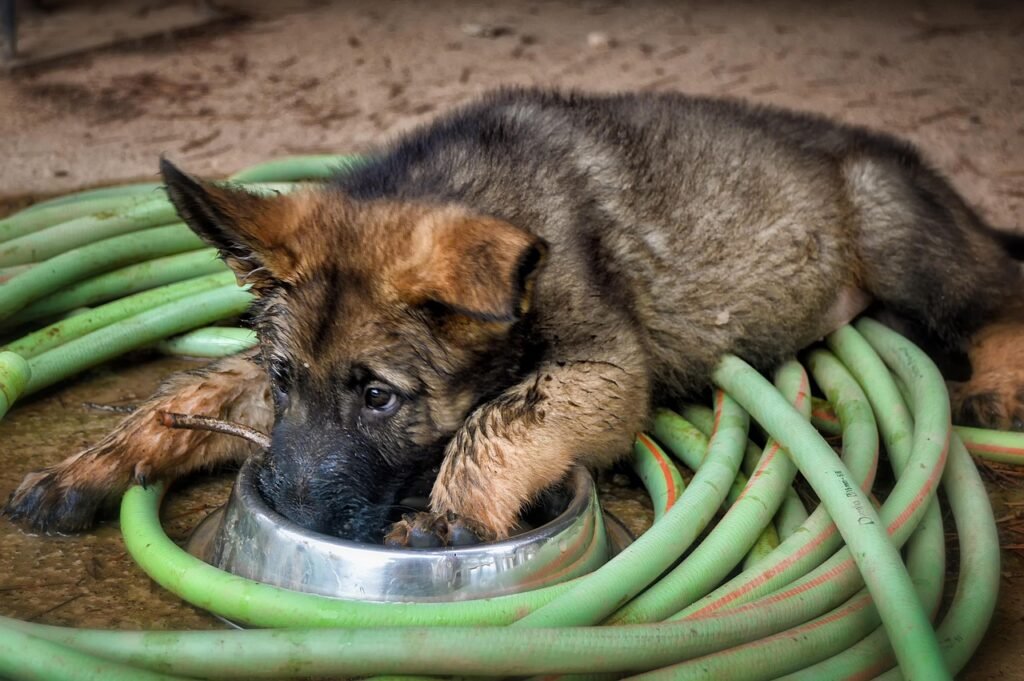
Raising a German Shepherd puppy can be a highly rewarding experience, but it also comes with its fair share of challenges. Many owners underestimate the amount of time, effort, and resources required to properly care for these intelligent and energetic dogs. As a result, they may encounter a range of problems, from behavioral issues to health concerns. Here’s the key thing to understand: with the right approach, many of these problems can be avoided or mitigated.
📝 Article Overview
Common Challenges With German Shepherd Puppies (Honest Take)
Housebreaking Difficulties
Housebreaking is one of the most common challenges faced by German Shepherd puppy owners. These dogs can be stubborn at times, and if not trained properly, they may develop unwanted habits. Housebreaking difficulties often occur due to inconsistent training, insufficient exercise, and inadequate supervision. Most people miss this: German Shepherds thrive on routine, so establishing a regular schedule for feeding, exercise, and potty breaks is essential.
Excessive Barking and Whining
Excessive barking and whining are other common issues encountered by German Shepherd puppy owners. These behaviors can be caused by boredom, anxiety, or a lack of proper training. German Shepherds are highly intelligent dogs that require mental and physical stimulation to prevent unwanted behaviors. Here’s the key thing to understand: providing adequate exercise, playtime, and training can help minimize barking and whining.
Chewing and Destruction
Chewing and destruction are natural behaviors for puppies, but they can be particularly problematic in German Shepherds due to their strong jaws and high energy levels. These behaviors often occur when puppies are left unsupervised or do not receive enough exercise and mental stimulation. Most people miss this: providing a variety of chew toys and engaging in regular playtime can help redirect these behaviors and prevent destruction.
Health Concerns
German Shepherd puppies are prone to certain health concerns, such as hip dysplasia and digestive issues. These health concerns can be caused by a combination of genetic and environmental factors, including diet, exercise, and lifestyle. Here’s the key thing to understand: working with a reputable breeder, providing a balanced diet, and maintaining a healthy lifestyle can help minimize the risk of these health concerns.
Socialization Challenges
Socialization is critical for German Shepherd puppies, as it helps them develop good manners and prevents behavioral issues. However, socialization can be challenging, especially for inexperienced owners. German Shepherds can be wary of strangers and may require patience and consistency when introducing them to new people, places, and experiences. Most people miss this: socialization should begin early and continue throughout the puppy’s first year, with a focus on positive reinforcement and gradual exposure to new stimuli.
German Shepherd Puppy Care Methods Worth Knowing
1. Positive Reinforcement Training
Positive reinforcement training is an effective method for teaching German Shepherd puppies good manners and preventing behavioral issues. This approach focuses on rewarding desired behaviors, such as sitting and staying, rather than punishing undesired ones. To implement positive reinforcement training, owners should start with short sessions, use high-value rewards, and gradually increase the difficulty of commands.
- Why It Works: Positive reinforcement training encourages good behavior, builds trust, and helps puppies develop self-confidence.
- It focuses on rewards rather than punishments, making the learning process more enjoyable and effective.
- Positive reinforcement training can be applied to a wide range of behaviors, from basic obedience commands to complex tasks.
2. Crate Training
Crate training is a valuable tool for German Shepherd puppy owners, as it helps with housebreaking, reduces separation anxiety, and prevents destructive behaviors. To implement crate training, owners should introduce the crate gradually, starting with short periods and increasing the duration as the puppy becomes more comfortable.
- Why It Works: Crate training provides a safe and secure space for puppies, helping to reduce anxiety and prevent unwanted behaviors.
- It aids in housebreaking by teaching puppies to hold their bladder and bowels until they are taken outside.
- Crate training can help prevent destructive behaviors, such as chewing and digging, by limiting access to certain areas and objects.
3. Socialization Techniques
Socialization is critical for German Shepherd puppies, and there are several techniques that owners can use to help their puppies develop good manners and confidence. These techniques include introducing puppies to new people, places, and experiences, as well as exposing them to different sights, sounds, and smells. To implement socialization techniques, owners should start early, be patient, and focus on positive reinforcement.
- Why It Works: Socialization helps puppies develop good manners and prevents behavioral issues, such as fear aggression and anxiety.
- It exposes puppies to a wide range of stimuli, helping them become confident and calm in new situations.
- Socialization can be tailored to a puppy’s individual needs and personality, ensuring that they receive the right amount of exposure and reinforcement.
4. Exercise and Playtime
Exercise and playtime are essential for German Shepherd puppies, as they help to burn off energy, stimulate the mind, and prevent behavioral issues. To implement exercise and playtime, owners should provide a variety of activities, such as walks, runs, and playtime in the yard, and tailor these activities to the puppy’s age, size, and energy level.
- Why It Works: Exercise and playtime help to burn off energy, reducing the likelihood of destructive behaviors and hyperactivity.
- They stimulate the mind, helping to prevent boredom and anxiety.
- Exercise and playtime can be adapted to a puppy’s individual needs, ensuring that they receive the right amount of physical and mental stimulation.
5. Nutrition and Diet
Nutrition and diet are critical for German Shepherd puppies, as they help to support growth, development, and overall health. To implement a healthy diet, owners should choose a high-quality puppy food, feed at regular intervals, and monitor their puppy’s weight and condition.
- Why It Works: A healthy diet provides the necessary nutrients for growth and development, supporting the puppy’s overall health and well-being.
- It helps to maintain a healthy weight, reducing the risk of obesity and related health issues.
- A balanced diet can help to support the puppy’s immune system, reducing the risk of illnesses and infections.
6. Veterinary Care
Veterinary care is essential for German Shepherd puppies, as it helps to prevent health issues, detect potential problems early, and provide a range of vital services, from vaccinations to parasite control. To implement veterinary care, owners should schedule regular check-ups, follow the veterinarian’s recommendations, and stay up-to-date with the latest health advice.
- Why It Works: Veterinary care helps to prevent health issues, such as parvovirus and distemper, through vaccinations and other preventative measures.
- It detects potential problems early, allowing for prompt treatment and reducing the risk of long-term damage.
- Veterinary care provides a range of vital services, from dental care to behavioral advice, helping owners to provide the best possible care for their puppies.
| Approach | Old Way | Better Way | Result |
|---|---|---|---|
| Housebreaking | Punishment-based training | Positive reinforcement training | Faster, more effective housebreaking |
| Exercise | Limited, unstructured exercise | Regular, structured exercise and playtime | Improved physical and mental health |
| Socialization | Limited socialization | Early, extensive socialization | Better social skills, reduced anxiety |
| Nutrition | Low-quality, generic puppy food | High-quality, nutrient-rich puppy food | Improved growth, development, and overall health |
| Veterinary Care | Infrequent, reactive veterinary care | Regular, preventative veterinary care | Early detection of health issues, improved overall health |
Why This Matters to You
Raising a German Shepherd puppy can be a life-changing experience, providing companionship, love, and a sense of purpose. By understanding the common challenges and implementing effective solutions, owners can help their puppies develop into confident, well-behaved dogs. For example, with the right approach to housebreaking, owners can avoid the frustration and mess associated with accidents in the house.
Similarly, by providing regular exercise and playtime, owners can help their puppies burn off energy, reducing the likelihood of destructive behaviors and hyperactivity. Socialization is also critical, as it helps puppies develop good manners and prevents behavioral issues, such as fear aggression and anxiety.
A healthy diet is essential for supporting growth, development, and overall health, and owners should choose a high-quality puppy food that meets their puppy’s nutritional needs. Veterinary care is also vital, providing a range of services, from vaccinations to parasite control, and helping owners to detect potential health issues early.
By prioritizing their puppy’s needs and taking a proactive approach to care, owners can build a strong bond with their dog, based on trust, respect, and mutual understanding. This bond can bring immense joy and fulfillment, and it is an essential part of the dog-owning experience.
Ultimately, raising a German Shepherd puppy requires dedication, patience, and the right approach. By understanding the common challenges and implementing effective solutions, owners can help their puppies develop into confident, well-behaved dogs, and they can enjoy a lifelong companionship with their loyal and loving pet.
Step-by-Step Action Plan
- Research and understand the common challenges associated with raising a German Shepherd puppy, and develop a plan to address these challenges. This will help owners to anticipate and prepare for potential problems, reducing stress and anxiety.
- Choose a reputable breeder or rescue organization, and select a puppy that is well-socialized and healthy. This will help to ensure that the puppy has the best possible start in life, and that owners can build a strong bond with their dog.
- Provide a safe and comfortable living space for the puppy, including a crate, bedding, and toys. This will help the puppy to feel secure and relaxed, and it will provide a foundation for future training and socialization.
- Develop a training plan that includes positive reinforcement, socialization, and housebreaking. This will help owners to teach their puppy good manners, and to prevent behavioral issues, such as barking and chewing.
- Establish a regular routine for feeding, exercise, and playtime, and stick to it consistently. This will help the puppy to feel secure and develop good habits, and it will provide a foundation for future training and socialization.
- Seek veterinary care regularly, and follow the veterinarian’s recommendations for vaccinations, parasite control, and other health services. This will help to prevent health issues, and to detect potential problems early, reducing the risk of long-term damage.
- Be patient, consistent, and positive, and remember that raising a German Shepherd puppy is a lifelong commitment. This will help owners to build a strong bond with their dog, and to enjoy a lifelong companionship with their loyal and loving pet.
What It All Means
Raising a German Shepherd puppy is a significant undertaking, requiring dedication, patience, and the right approach. By understanding the common challenges and implementing effective solutions, owners can help their puppies develop into confident, well-behaved dogs, and they can enjoy a lifelong companionship with their loyal and loving pet. As owners look to the future, they can anticipate a rewarding and fulfilling experience, filled with love, laughter, and adventure. With the right approach, and a commitment to providing the best possible care, owners can help their German Shepherd puppies thrive, and they can enjoy a lifelong friendship with their loyal and loving companion.