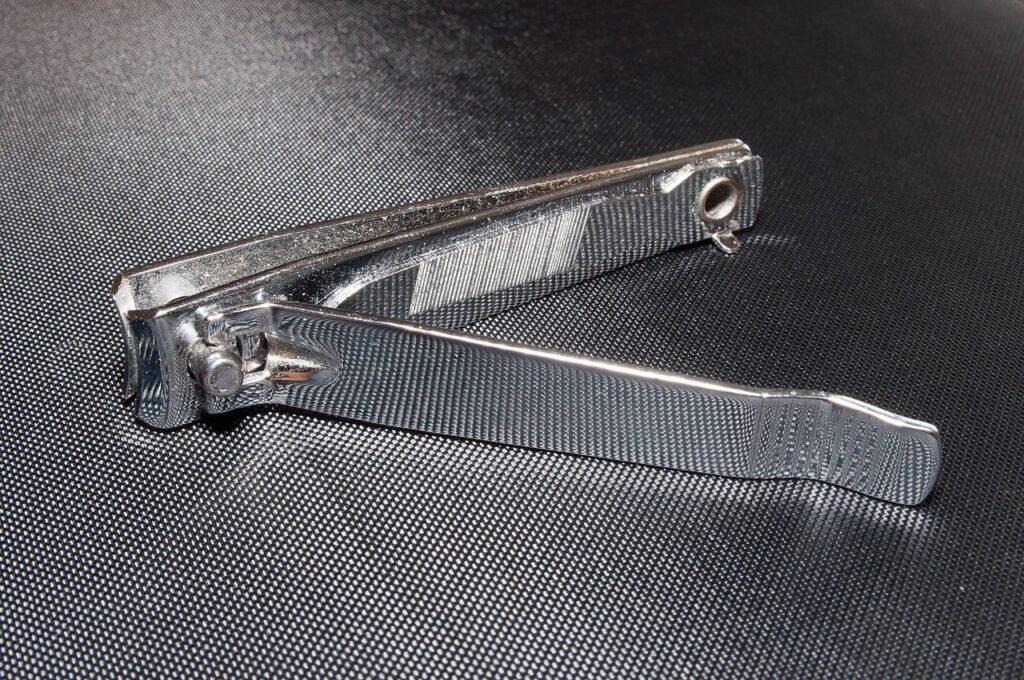
Keeping a dog’s nails trimmed is a crucial part of their grooming and health care. However, for many dog owners, the process of cutting their dog’s nails can be daunting and even dangerous if not done correctly. The wrong technique or tool can lead to painful cuts, infections, and long-term damage to the dog’s nails and overall health. This has led to a growing interest in finding the best dog nail clippers and learning how to use them properly.
📝 Contents
Common Challenges With The Basics of Dog Nail Clippers (honest take)
Difficulty in Choosing the Right Clippers
One of the most significant challenges dog owners face is selecting the appropriate dog nail clippers for their pet. The market is flooded with various types of clippers, including scissor-style, guillotine, and nail grinder, each suited for different sizes and types of dogs. The wrong choice can lead to ineffective cutting or, worse, injury to the dog. This difficulty arises from the lack of clear guidelines and the vast array of products available, making it hard for an inexperienced owner to make an informed decision.
Fear of Cutting the Quick
Cutting the quick, the sensitive part of the nail that contains nerves and blood vessels, is a common fear among dog owners. This fear is justified, as cutting the quick can cause pain and bleeding. The quick can be difficult to see, especially in dogs with black nails, adding to the anxiety of nail trimming. This fear often leads to nails being left too long, which can cause health issues such as arthritis and infections.
Incorrect Trimming Technique
An incorrect trimming technique can lead to a range of problems, from cutting the nail too short to not cutting it enough. The angle and pressure applied during cutting are critical. Incorrect technique can result from lack of experience or not understanding the dog’s anatomy. This can lead to discomfort for the dog and potentially serious health issues if nails are consistently cut too short or left untrimmed.
Dog Resistance and Anxiety
Many dogs exhibit resistance or anxiety when it comes to nail trimming, making the process challenging for owners. This resistance can stem from past experiences, fear of the clippers, or general anxiety. Dog owners then face the challenge of keeping their dog calm and still during the trimming process, which can be stressful for both parties involved.
Lack of Regular Trimming
A significant challenge is ensuring that nail trimming becomes a regular part of dog grooming. Irregular trimming can lead to overgrowth, which not only affects the dog’s comfort and mobility but can also lead to serious health issues. Creating a schedule and sticking to it is essential but often easier said than done, especially for busy owners.
Dog Nail Clippers Methods Worth Knowing
1. Desensitization and Counterconditioning
This method involves gradually introducing the dog to the nail clippers, starting from simply showing them the clippers, then touching them to the dog’s paw, and eventually trimming. The process is done in a positive and rewarding manner to counteract any potential fear or anxiety.
- Plus Points:
- Reduces dog’s stress and fear over time.
- Increases owner’s confidence in trimming nails.
- Can be adapted to fit different dog’s learning pace.
2. Choosing the Right Type of Clippers
Selecting the correct type of clippers based on the dog’s size, nail type, and owner’s experience is crucial. For example, scissor-style clippers are often recommended for smaller dogs, while guillotine clippers may be better suited for larger breeds. Understanding the differences and choosing accordingly can make the trimming process safer and more effective.
- Plus Points:
- Ensures a more precise cut.
- Reduces the risk of injury to the dog.
- Improves the overall trimming experience for both dog and owner.
3. Regular Trimming Schedule
Establishing a regular trimming schedule helps prevent overgrowth and makes the process less daunting. The frequency depends on the dog’s breed, age, and lifestyle, but most dogs need their nails trimmed every 4 to 6 weeks. Consistency is key to maintaining healthy nails and reducing the risk of related health issues.
- Plus Points:
- Maintains dog’s comfort and mobility.
- Prevents overgrowth and related health issues.
- Helps in early detection of potential health problems.
4. Nail Grinding as an Alternative
Nail grinding, or using a Dremel, is an alternative to traditional clippers, especially useful for dogs with very hard nails or for smoothing out rough edges after cutting. It requires some practice to get used to but can be less stressful for dogs who fear clippers.
- Plus Points:
- Provides a smoother finish than clippers.
- Can be less stressful for dogs with clipper anxiety.
- Allows for more precise control over nail length.
5. Professional Grooming Assistance
For owners who are unsure or uncomfortable trimming their dog’s nails, seeking the assistance of a professional groomer can be very beneficial. Groomers have the experience and knowledge to trim nails safely and correctly, providing owners with peace of mind.
- Plus Points:
- Ensures nails are trimmed correctly and safely.
- Provides an opportunity to inspect for other grooming needs.
- Can help socialize the dog to grooming procedures.
6. Patience and Positive Reinforcement
Approaching nail trimming with patience and using positive reinforcement techniques can significantly improve the experience for both the dog and the owner. Rewards for calm behavior and gradual introduction to the trimming process can make it less stressful.
- Plus Points:
- Builds trust between dog and owner.
- Reduces stress and anxiety related to nail trimming.
- Encourages good behavior and makes future trimming easier.
| Approach | Old Way | Better Way | Result |
|---|---|---|---|
| Choosing Clippers | Guessing based on dog size | Selecting based on nail type and dog size | More accurate and safe trimming |
| Trimming Technique | Cutting straight across | Cutting at an angle, considering the quick | Reduces risk of cutting the quick |
| Frequency | Trimming only when necessary | Regular trimming schedule | Prevents overgrowth and related issues |
| Method | Always using clippers | Considering nail grinding as an alternative | Provides smoother finish and less stress for some dogs |
| Professional Help | Never seeking professional help | Seeking help when unsure | Ensures safety and correctness of trimming |
Why This Matters to You
A thorough understanding of dog nail clippers and how to use them correctly can significantly impact the health and wellbeing of your dog. Incorrect trimming can lead to a range of issues, from minor annoyances to serious health problems. By investing time in learning about the best practices and tools for nail trimming, you can ensure your dog remains healthy and happy.
For instance, regular nail trimming can prevent overgrowth, which can lead to discomfort and mobility issues for your dog. Moreover, understanding how to trim nails correctly reduces the risk of cutting the quick, thereby minimizing the risk of pain and infection.
Furthermore, the right approach to nail trimming, including choosing the correct clippers and technique, can make the process less stressful for both you and your dog. This not only improves the immediate experience but can also contribute to a stronger, more trusting relationship between you and your pet.
In addition, recognizing when to seek professional help is crucial. If you’re unsure about any aspect of nail trimming, consulting a professional groomer can provide valuable guidance and ensure your dog’s nails are trimmed safely and correctly.
Lastly, adopting a patient and positive approach to nail trimming can have long-term benefits. By gradually introducing your dog to the trimming process and rewarding calm behavior, you can reduce anxiety and make future trimming sessions easier and less stressful.
Step-by-Step Action Plan
- Research and select the appropriate nail clippers for your dog based on their size, nail type, and your experience, because choosing the right tool is essential for safe and effective trimming. This initial step sets the stage for a successful nail trimming experience.
- Gradually introduce your dog to the nail clippers through desensitization and counterconditioning to reduce fear and anxiety, as a calm dog is easier to trim and less likely to experience stress-related issues. This process requires patience but yields long-term benefits.
- Schedule regular nail trimming sessions to prevent overgrowth and related health issues, ensuring your dog’s comfort and mobility. Regular trimming is key to maintaining your dog’s overall health and preventing potential problems.
- Consider alternative methods such as nail grinding for a smoother finish or for dogs with hard nails, as it can be a preferable option for some pets. This flexibility in approach can help tailor the trimming experience to your dog’s unique needs.
- Seek professional grooming assistance if you are unsure or uncomfortable trimming your dog’s nails, as their expertise can provide peace of mind and ensure your dog’s safety. Professional help is invaluable when it comes to complex or sensitive grooming tasks.
- Use positive reinforcement techniques during nail trimming to build trust and reduce stress, fostering a positive relationship between you and your dog. This approach not only eases the trimming process but also strengthens your bond with your pet.
- Stay informed about the best practices and tools for dog nail trimming to continually improve your skills and provide the best care for your dog, because ongoing education is crucial for adapting to your dog’s changing needs and ensuring their optimal health. By staying updated, you can address any new challenges that arise and maintain a high standard of care.
To Sum Up
Understanding the basics of dog nail clippers and adopting the right approach can significantly improve your dog’s health and your relationship with them. By recognizing the common challenges and implementing effective solutions, you can make nail trimming a positive experience. Here’s the key thing to understand: investing in your knowledge and skills regarding dog nail clippers will pay off in the long run, leading to a happier, healthier dog. As you move forward, the goal is to continually learn and adapt, ensuring that your dog receives the best possible care. With patience, the right tools, and a bit of practice, you can master the art of dog nail trimming and provide your pet with a lifetime of comfort and wellbeing.