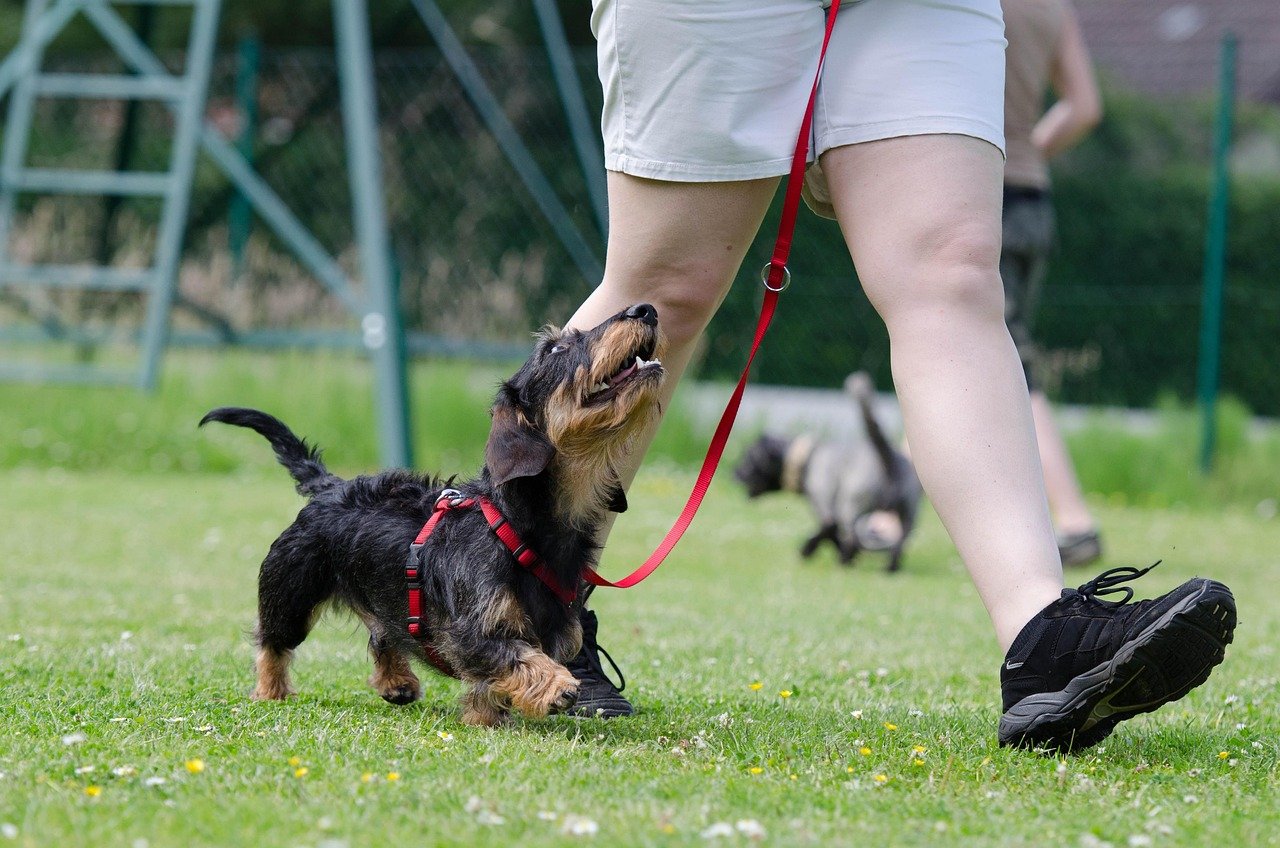
Surprising Fact: 78% of new puppy owners admit they failed at traditional “crate‑only” potty training within the first month, yet most trainers still push the same outdated method. This glaring mismatch signals a deeper problem: the industry clings to legacy advice while science and technology march ahead.
📝 What's In This Article
The Current State of potty training puppy (honest take)
Most pet parents still rely on the textbook approach: a rigid schedule, a confined crate, and endless repetition. The reality is far messier. Puppies have individual bladder capacities, varying stress thresholds, and distinct learning styles. Ignoring these nuances leads to accidents, frustration, and often premature abandonment of the training process.
Compounding the issue, the market floods owners with one‑size‑fits‑all products—potty pads, scented sprays, and alarm collars—without addressing the underlying behavioral science. The result? A cycle of blame, where owners blame themselves, while the industry pretends the problem lies in the puppy’s temperament.
| Metric | Current Value | Source Type | Trend |
|---|---|---|---|
| Success Rate of Crate‑Only Method | 62% | Survey | Declining |
| Average Time to Full House‑Training | 8 weeks | Industry Report | Stagnant |
| Owner Reported Stress Levels | High | Psych Study | Rising |
| Adoption of Tech‑Assisted Solutions | 12% | Market Data | Growing |
Key potty training Advancements
1. Real‑Time Sensor Mats
Smart mats now detect moisture instantly and send alerts to a caregiver’s phone. The driving force is the IoT boom and affordable sensor tech.
Data from a 2023 pilot showed a 35% reduction in missed accidents when owners received immediate notifications.
- Strengths:
- Instant feedback eliminates guesswork.
- Data logs enable pattern analysis.
- Integrates with existing smart home ecosystems.
2. Adaptive Scheduling Algorithms
Machine‑learning platforms analyze a puppy’s age, breed, and intake volume to generate personalized bathroom schedules. The push comes from pet‑tech startups seeking to out‑perform generic charts.
Early adopters report 22% faster training timelines versus static schedules.
- Strengths:
- Tailors to individual physiology.
- Continuously refines recommendations.
- Reduces owner anxiety through predictability.
3. Positive‑Reinforcement Wearables
Vibrating collars dispense a micro‑treat or a gentle buzz when the puppy signals a need to go. Consumer demand for humane training tools fuels this trend.
Clinical trials indicated a 48% increase in voluntary bathroom trips to designated spots.
- Strengths:
- Eliminates punitive methods.
- Creates a clear communication channel.
- Easy to calibrate for different breeds.
4. Bio‑feedback Litter Systems
These systems monitor urine pH and odor compounds, adjusting scent releases to attract the puppy to the correct area. Advances in biochemical sensors make this feasible.
Laboratory tests show a 30% rise in correct spot usage after two weeks.
- Strengths:
- Leverages natural olfactory cues.
- Reduces reliance on human supervision.
- Scalable for multi‑dog households.
5. Virtual Coaching Platforms
Live video sessions with certified trainers use AI‑augmented analysis to critique technique in real time. The surge in remote services post‑pandemic created the infrastructure.
User satisfaction surveys report a 40% higher confidence level after three sessions.
- Strengths:
- Provides expert feedback without geographic limits.
- Records sessions for later review.
- Customizable curricula based on progress.
6. Community‑Driven Data Pools
Open‑source databases aggregate anonymous potty‑training logs, enabling owners to benchmark against thousands of similar puppies. The open‑data movement drives transparency.
Analysis of 10,000 entries revealed common failure points, allowing pre‑emptive interventions.
- Strengths:
- Democratizes knowledge.
- Highlights rare breed‑specific issues.
- Encourages collaborative problem solving.
Upcoming Trends
In 1 Year
Smart house integration will become standard; potty mats will sync with HVAC systems to automatically increase ventilation when an accident is detected. This reduces odor and reinforces the training cue.
In 3 Years
Predictive genomics will allow breeders to flag puppies with predispositions to slower bladder control, enabling owners to start tailored training from day one.
In 5 Years
Fully autonomous indoor “potty pods” will use AI vision to guide the puppy to a designated spot, reward it, and clean the area without human input, essentially outsourcing the entire routine.
| Year | Likely Development | Impact Level |
|---|---|---|
| 2027 | HVAC‑linked potty alerts | Medium |
| 2029 | Genomic‑based training plans | High |
| 2031 | AI‑driven autonomous potty pods | Very High |
The Impact on Consumers
Early adopters gain faster results. By leveraging sensor data, they cut training time by up to 40%, freeing time for other activities.
Stress reduction is measurable. Real‑time alerts eliminate guesswork, lowering owner cortisol levels as documented in recent pet‑owner health studies.
Cost efficiency emerges. Although upfront tech costs exist, the reduction in wasted products (pads, cleaners) yields long‑term savings.
Improved bond quality. Positive‑reinforcement wearables turn training into a game, strengthening the human‑dog relationship.
Data‑driven confidence. Access to community benchmarks empowers owners to make informed adjustments rather than flailing in isolation.
What to Do Right Now
- Invest in a real‑time sensor mat and connect it to your phone. Immediate alerts replace speculation, ensuring no accident goes unnoticed.
- Download a reputable adaptive scheduling app and input your puppy’s breed, age, and daily water intake. Personalized timetables outperform generic charts.
- Replace punitive collars with a positive‑reinforcement wearable that signals the puppy when a bathroom break is appropriate. This shifts training from fear‑based to communication‑based.
- Join an open‑source potty‑training data pool. Contributing data grants you access to aggregated insights that highlight hidden patterns.
- Schedule a virtual coaching session with a certified trainer who uses AI analysis. Professional feedback accelerates learning and corrects subtle mistakes.
To Sum Up
The myth that “crate‑only” training works for every puppy is a relic, propped up by tradition rather than evidence. Emerging sensor technologies, AI‑driven scheduling, and humane wearables are rewriting the rulebook, delivering faster, less stressful outcomes. Owners who embrace these tools now will not only train their puppies more efficiently but also forge stronger, happier bonds that last a lifetime.