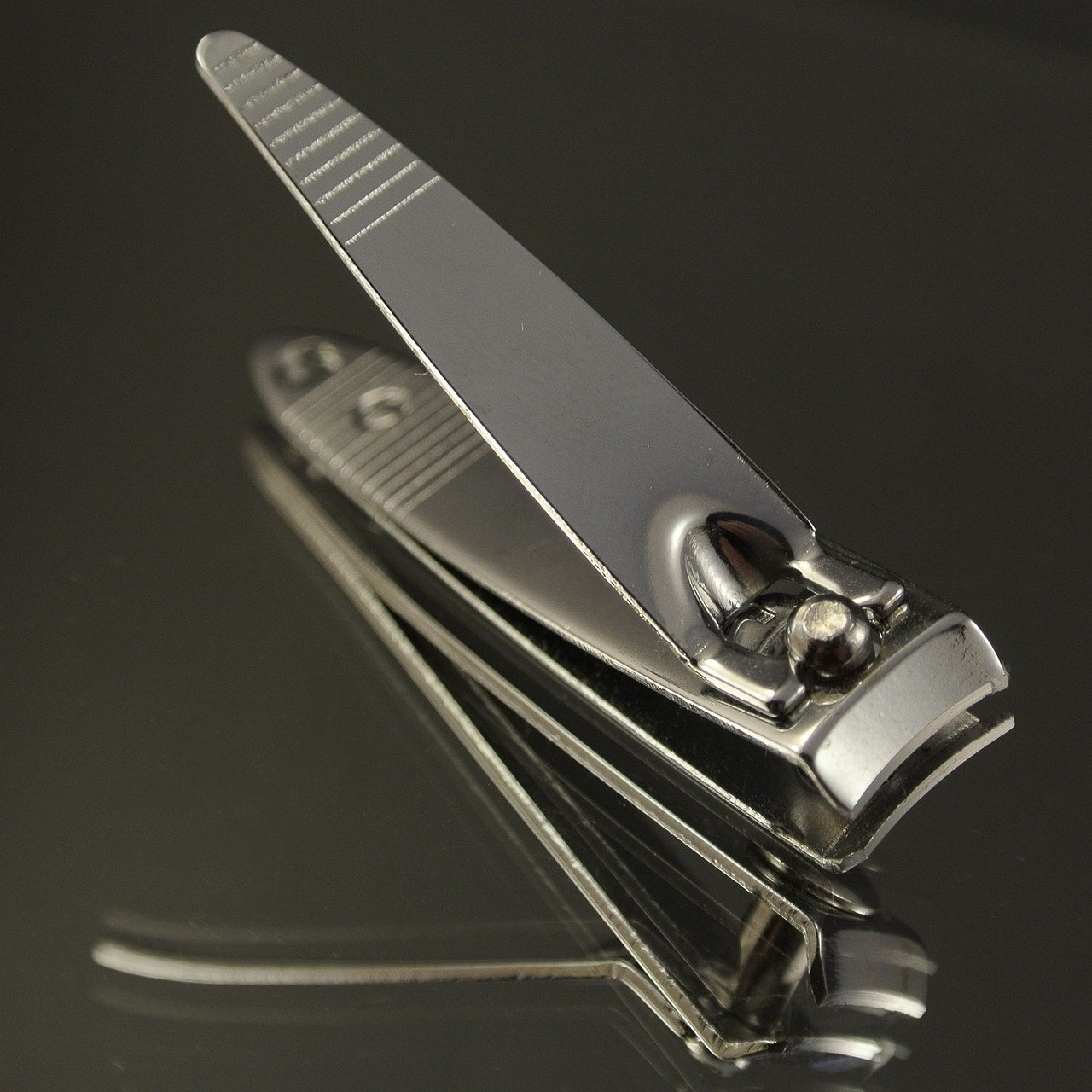
Keeping a dog’s nails trimmed is a crucial part of their grooming and health care. However, for many dog owners, especially beginners, the task of trimming their dog’s nails can be daunting and even frightening. The fear of cutting the quick, causing pain, or not doing it correctly can lead to neglected nails, which can cause health issues for the dog. This problem is gaining attention as more people are becoming aware of the importance of regular nail trimming for their dogs’ well-being. As the popularity of dog ownership continues to grow, so does the need for accessible and clear guidance on how to use dog nail clippers effectively. The lack of proper knowledge and skills in using dog nail clippers can lead to improper nail care, which in turn can lead to discomfort, pain, and potentially serious health issues for dogs.
📝 In This Post
Common Challenges With A Closer Look at Dog Nail Clippers (Beginner Tips)
Difficulty in Identifying the Quick
One of the most significant challenges beginners face when using dog nail clippers is identifying the quick—the sensitive part of the nail that contains nerves and blood vessels. The quick is particularly hard to see in dogs with dark-colored nails. The reason it’s challenging is that the quick can vary in length and visibility depending on the dog’s breed, age, and the color of their nails. In dogs with light-colored nails, the quick is usually visible as a pinkish-colored area within the nail, but in dogs with dark nails, it’s almost impossible to see, making it a guessing game that can end in cutting the quick and causing pain and bleeding.
Fear of Cutting the Quick
The fear of cutting the quick is a major obstacle for many dog owners. Cutting the quick is not only painful for the dog but can also lead to bleeding, which can be distressing for both the dog and the owner. This fear often stems from a lack of confidence and knowledge about how to properly use dog nail clippers. The consequence of this fear is that many dogs do not receive the regular nail trimming they need, leading to overgrown nails that can cause a variety of health problems.
Choosing the Right Clippers
Another challenge beginners face is choosing the right dog nail clippers for their pet. With so many types of clippers available, including scissor-style, guillotine, and grinder clippers, it can be overwhelming to decide which one is best. The choice of clippers depends on the size and type of the dog, as well as the owner’s personal preference and experience level. Incorrectly choosing clippers that are too large or too small for the dog’s nails can lead to ineffective trimming or, worse, injury to the dog.
Handling and Restraint
Handling and restraining the dog during nail trimming is another common challenge. Dogs, especially those not accustomed to having their nails trimmed, can become anxious or fearful, making the process difficult. The lack of proper handling techniques can lead to a stressful experience for both the dog and the owner, potentially resulting in injury to either party or an incomplete trimming job.
Frequency of Trimming
Determining how often to trim a dog’s nails is also a challenge. The frequency of nail trimming depends on several factors, including the dog’s age, health, and lifestyle. Dogs that are more active and spend a lot of time outdoors may need their nails trimmed more frequently than less active dogs. Incorrectly assessing the frequency can lead to either over-trimming, which can be painful and cause bleeding, or under-trimming, leading to overgrown nails.
Dog Nail Clippers Methods Worth Knowing
1. Gradual Desensitization
Gradual desensitization is a method used to help dogs become comfortable with the process of nail trimming. It involves gradually introducing the dog to the clippers, starting from simply showing them the clippers, then touching the clippers to the dog’s paw, and eventually trimming just a little bit at a time. This method helps reduce anxiety and fear associated with nail trimming. To implement this method, start by letting the dog see and smell the clippers, then reward the dog for remaining calm. Progressively increase the interaction with the clippers over several sessions.
- Strengths: Reduces anxiety and fear, makes the trimming process easier and safer, can be applied to dogs of all ages.
- Encourages a positive association with nail trimming.
- Can be customized based on the individual dog’s comfort level and learning pace.
2. Proper Handling and Restraint
Proper handling and restraint are crucial for safe and effective nail trimming. This involves supporting the dog’s body and gently holding the paw to be trimmed. For owners who are new to trimming their dog’s nails, it’s beneficial to have another person assist in holding the dog. The key is to make the dog feel secure and comfortable. To implement proper handling, start by getting the dog accustomed to having their paws touched and handled, then gradually introduce the nail trimming process.
- Strengths: Ensures the dog’s safety and comfort, reduces the risk of injury to both the dog and the owner, allows for more precise trimming.
- Enhances the overall nail trimming experience, making it less stressful.
- Can be adapted for dogs of different sizes and breeds.
3. Choosing the Correct Clippers
Choosing the correct dog nail clippers is essential for effective and safe nail trimming. The choice of clippers should be based on the size of the dog and the thickness of their nails. For small dogs or dogs with thin nails, smaller clippers are appropriate, while for larger dogs or those with thicker nails, larger, more heavy-duty clippers are needed. To implement this, consider the dog’s breed, age, and nail type when selecting clippers.
- Strengths: Ensures a clean and precise cut, reduces the risk of splitting or crushing the nail, makes the trimming process easier.
- Prevents the clippers from getting stuck in the nail, which can cause pain and injury.
- Extends the life of the clippers by preventing unnecessary wear and tear.
4. Trimming Technique
The trimming technique is critical for avoiding the quick and preventing pain and bleeding. The nail should be trimmed straight across, following the natural curve of the toe, and taking care not to cut too short. For dogs with dark nails, it’s advisable to trim just a little at a time, starting with the tip of the nail and gradually working your way back. To implement this technique, practice trimming on a dog that is comfortable with the process, and start with small, gentle cuts.
- Strengths: Minimizes the risk of cutting the quick, ensures a smooth and even trim, enhances the dog’s comfort during the trimming process.
- Prevents over-trimming, which can lead to pain and bleeding.
- Allows for a more precise control over the length of the nail.
5. Rewarding Calm Behavior
Rewarding calm behavior during nail trimming is a positive reinforcement technique that encourages the dog to remain relaxed and cooperative. This can be done by offering treats and praise immediately after trimming each nail. The goal is to associate nail trimming with positive outcomes. To implement this, have treats ready and use a calm, positive tone of voice during the trimming process.
- Strengths: Encourages positive behavior, reduces anxiety and stress, makes future trimming sessions easier.
- Strengthens the bond between the dog and the owner.
- Can be used in conjunction with other training methods for a well-rounded approach.
6. Regular Trimming Schedule
Maintaining a regular trimming schedule is vital for preventing overgrown nails and the associated health issues. The frequency of trimming depends on the dog’s lifestyle and nail growth rate. For active dogs, trimming may be needed every 4-6 weeks, while less active dogs may only need trimming every 8-12 weeks. To implement this, monitor the dog’s nail length regularly and adjust the trimming schedule as needed.
- Strengths: Prevents overgrown nails, reduces the risk of nail-related health issues, keeps the dog comfortable.
- Helps in early detection of any potential nail problems.
- Contributes to the dog’s overall health and well-being.
| Approach | Old Way | Better Way | Result |
|---|---|---|---|
| Handling and Restraint | Forced restraint, potentially causing anxiety and fear. | Gentle, gradual desensitization to handling and trimming. | Reduced anxiety, safer trimming experience. |
| Clipper Selection | Using one type of clipper for all dogs, regardless of size or nail type. | Choosing clippers based on the dog’s size and nail thickness. | More precise and safe trimming, less risk of injury. |
| Trimming Technique | Trimming at an angle or too short, risking the quick. | Trimming straight across, following the natural curve of the toe. | Less risk of cutting the quick, smoother nail edge. |
| Frequency of Trimming | Trimming too frequently or infrequently based on guesswork. | Trimming based on the dog’s lifestyle and nail growth rate. | Prevention of overgrown nails, reduction in nail-related health issues. |
| Reward System | No reward system, potentially leading to negative associations. | Positive reinforcement with treats and praise. | Increased cooperation, reduced stress during trimming. |
Why People Are Paying Attention
Many dog owners are now paying attention to the importance of proper nail care due to the growing awareness of its impact on the dog’s overall health and comfort. For instance, a dog owner in California noticed a significant improvement in their dog’s mobility after starting a regular nail trimming routine, which had previously been neglected. The dog, who had been showing signs of arthritis, became more active and less irritable, directly attributing the change to the proper nail care. This real-world example illustrates the tangible benefits of prioritizing nail trimming.
In another case, a veterinarian in New York reported a decrease in nail-related injuries and health issues among their clients who had adopted a regular nail trimming practice. This not only reduced the vet visits for nail problems but also highlighted the preventive nature of proper nail care. The clients who had previously been hesitant or unsure about trimming their dogs’ nails found that with the right guidance and technique, it became a manageable and beneficial part of their dog’s care routine.
A dog groomer in Florida shared their experience with a client whose dog had extremely overgrown nails, causing discomfort and pain. After a series of gradual trimming sessions, the dog’s nails were brought back to a healthy length, significantly improving the dog’s quality of life. This example demonstrates the potential for improvement in a dog’s well-being through dedicated nail care.
A study conducted by a pet care organization found that dogs that received regular nail trimming had fewer instances of nail cracking, splitting, and breaking compared to those that did not receive regular trimming. This study underscored the importance of nail care in maintaining the overall health of dogs, providing quantitative evidence to support the anecdotal benefits observed by dog owners and professionals.
Furthermore, the rise of social media and pet care communities has made it easier for dog owners to share their experiences, tips, and advice on dog nail care. A community forum dedicated to dog grooming saw a significant increase in discussions about nail trimming, with many members sharing their favorite techniques, tools, and schedules. This communal approach to dog care has not only increased awareness but also fostered a sense of responsibility among dog owners to prioritize their dogs’ nail health.
Step-by-Step Action Plan
- Start by acquainting your dog with the nail clippers, letting them see and smell the clippers at their own pace, as this helps in reducing anxiety and fear associated with the trimming process.
- Gradually introduce the clippers to your dog’s paws, touching them lightly to the paw pads, and reward calm behavior with treats and praise to reinforce positive associations with the clippers.
- Choose the right clippers for your dog based on their size and nail type, ensuring a precise and safe trim, and consult with a veterinarian or groomer if unsure about the appropriate clippers.
- Practice trimming just a little at a time, starting with one nail and gradually working your way through all four paws, to avoid overwhelming your dog and to maintain their comfort and safety.
- Establish a regular trimming schedule based on your dog’s lifestyle and nail growth rate, whether it’s every 4, 6, or 12 weeks, to prevent overgrown nails and associated health issues.
- Consider seeking professional help if you are unsure or uncomfortable trimming your dog’s nails yourself, as a veterinarian or professional groomer can provide guidance and perform the trimming safely and effectively.
- Keep a record of your trimming sessions, noting the date, which nails were trimmed, and any observations about your dog’s comfort level or nail health, to track progress and identify any potential issues early on.
Closing Thoughts
Mastering the use of dog nail clippers is a valuable skill for any dog owner, offering a way to enhance the dog’s comfort, prevent health issues, and strengthen the bond between dog and owner. By understanding common challenges, implementing effective methods, and following a regular trimming schedule, dog owners can ensure their pets receive the best possible care. As the understanding and techniques for dog nail care continue to evolve, it’s essential for dog owners to stay informed and adapt their approaches to provide the highest quality of life for their dogs. Looking forward, the integration of new technologies and methods into dog nail care promises to make the process safer, more efficient, and more rewarding for both dogs and their owners.