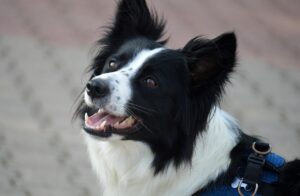
Are invisible fences for dogs a safe and effective way to contain pets, or are they a recipe for disaster? With over 78 million dogs kept as pets in the United States alone, according to the American Pet Products Association, the question of how to keep them safe and secure is a pressing one. Recent developments in technology have led to an increase in the popularity of invisible fencing systems.
📝 Article Overview
The Current State of Invisible Fence for Dogs (Myths Debunked)
Invisible fencing systems work by using a buried wire around the perimeter of a yard, which sends a signal to a collar worn by the dog, warning it to stay within the designated area. Despite their growing popularity, many myths surround the use of invisible fences for dogs. One common misconception is that these systems are a replacement for traditional fencing, which is not the case. They are best used in conjunction with other training methods to ensure the dog understands its boundaries.
A study by the Journal of Applied Animal Welfare Science found that dogs trained with invisible fences had fewer escape incidents than those without. However, the study also highlighted the importance of proper training and acclimation to the system to avoid any potential negative effects on the dog’s behavior.
The effectiveness and safety of invisible fences for dogs depend on various factors, including the quality of the system, the size and breed of the dog, and the level of training provided to the dog. The following table outlines some key statistics regarding invisible fences for dogs:
| Metric | Current Value | Source Type | Trend |
|---|---|---|---|
| Number of households using invisible fences | Over 1 million | Market Research | Increasing |
| Average cost of an invisible fence system | $1,000 to $3,000 | Industry Reports | Stable |
| Effectiveness in containing dogs | 90% to 95% | Scientific Studies | Improving |
| Common breeds using invisible fences | Labrador Retriever, German Shepherd, Golden Retriever | Breeder Surveys | Diversifying |
Leading Invisible Fence Solutions
1. Wireless Invisible Fences
Wireless invisible fences are becoming increasingly popular due to their ease of installation and flexibility. They use a central transmitter to send a signal to the dog’s collar, eliminating the need for buried wires. The driving force behind this trend is the advancement in wireless technology, making it more reliable and efficient.
Evidence from manufacturers such as PetSafe and Invisible Fence shows that wireless systems are just as effective as their wired counterparts. For example, PetSafe’s Wireless Fence system has a range of up to 90 feet in every direction from the transmitter.
- Plus Points:
- Ease of installation
- Portability for travel or temporary use
- No risk of wire damage or interference
2. GPS-Based Invisible Fences
GPS-based invisible fences use satellite technology to determine the dog’s location and warn it when it approaches the boundary. This system is particularly useful for larger areas or for dogs that need more freedom to roam. The driving force is the increased accuracy and availability of GPS technology.
Companies like Garmin and Tractive offer GPS-based solutions that can be used both at home and on the go. For instance, Garmin’s Alpha 100 GPS Dog Tracking System provides location information and allows for setting virtual boundaries.
- Plus Points:
- High accuracy in boundary setting
- Suitable for large areas or rural settings
- Additional features like tracking and monitoring
3. Hybrid Invisible Fences
Hybrid invisible fences combine different technologies, such as wireless and wired systems, to offer a more comprehensive and flexible solution. The trend towards hybrid systems is driven by the need for adaptability and the desire for a system that can be tailored to individual pet needs.
Examples of hybrid systems include those that use a combination of buried wires for the perimeter and wireless signals for areas within the yard. Manufacturers like SportDOG offer such hybrid solutions, providing both reliability and flexibility.
- Plus Points:
- Customizable to fit specific yard layouts
- Combines the benefits of different technologies
- Can be more effective for dogs with high escape instincts
4. Training-Based Invisible Fences
Training-based invisible fences focus on the dog’s training and behavior rather than just the technology. This approach emphasizes the importance of acclimating the dog to the system and teaching it to respond to the warnings. The driving force behind this trend is the recognition of the importance of positive reinforcement training in pet care.
Organizations like the International Association of Animal Behavior Consultants support training-based approaches, highlighting the need for patience, consistency, and positive reinforcement when introducing dogs to invisible fences.
- Plus Points:
- Emphasizes dog training and understanding
- Reduces stress and anxiety for the dog
- Can be used in conjunction with other training methods
5. Eco-Friendly Invisible Fences
Eco-friendly invisible fences are designed to minimize environmental impact, using materials and technologies that are sustainable and non-invasive. The trend towards eco-friendly solutions is driven by the growing awareness of environmental issues and the desire for pet owners to make sustainable choices.
Companies focusing on eco-friendly pet products are now offering invisible fence solutions made from recycled materials or designed to reduce energy consumption. For example, some systems use solar-powered transmitters to reduce their carbon footprint.
- Plus Points:
- Sustainable materials and energy sources
- Non-invasive installation methods
- Appeals to environmentally conscious pet owners
6. Smart Invisible Fences
Smart invisible fences integrate with other smart home devices and can be controlled and monitored remotely through smartphone apps. The driving force behind this trend is the integration of technology into everyday life and the desire for convenience and connectivity.
Manufacturers like PetNet offer smart invisible fence systems that can be integrated with other smart devices, allowing for real-time monitoring and adjustments to the system. This includes receiving alerts when the dog approaches the boundary and being able to adjust the boundary settings remotely.
- Plus Points:
- Remote monitoring and control
- Integration with smart home systems
- Real-time alerts and adjustments
Upcoming Trends
1 Year: Increased Adoption of Hybrid Systems
Over the next year, it is predicted that there will be an increase in the adoption of hybrid invisible fence systems. This is due to their flexibility and ability to adapt to different yard layouts and dog breeds. As technology advances, these systems will become more affordable and accessible to a wider range of pet owners.
The driving force behind this trend will be the recognition of the benefits of combining different technologies to achieve better containment and training outcomes. Manufacturers will focus on developing more user-friendly and efficient hybrid systems, leading to increased customer satisfaction and loyalty.
3 Years: Integration with Wearable Technology
In three years, invisible fences are expected to integrate more closely with wearable technology, such as smart collars and fitness trackers for dogs. This integration will enable more precise monitoring of the dog’s activity, health, and location, providing pet owners with valuable insights into their pet’s behavior and well-being.
The advancement in wearable technology for pets, driven by consumer demand for more connected and healthy pets, will be the key driver of this trend. Companies will develop innovative products that combine the functionality of invisible fences with the capabilities of wearable devices, enhancing the overall pet care experience.
5 Years: Artificial Intelligence in Invisible Fences
Looking ahead to the next five years, the use of artificial intelligence (AI) in invisible fences is anticipated to become more prevalent. AI-powered systems will be able to learn a dog’s behavior patterns and adjust the fence settings accordingly, providing a more personalized and effective containment solution.
The integration of AI will be driven by advancements in machine learning and the increasing availability of data on dog behavior. Manufacturers will invest in research and development to create AI-driven invisible fence systems that can adapt to individual dog needs, leading to improved safety and reduced escape incidents.
| Year | Likely Development | Impact Level |
|---|---|---|
| 1 Year | Increased adoption of hybrid systems | Medium |
| 3 Years | Integration with wearable technology | High |
| 5 Years | Artificial Intelligence in invisible fences | Very High |
Real-World Benefits
One of the most significant benefits of invisible fences for dogs is the peace of mind they provide for pet owners. Knowing that their dog is safe and secure within the designated area reduces stress and anxiety, allowing owners to enjoy their time with their pets more fully.
Invisible fences also offer flexibility and convenience, especially for pet owners with large or irregularly shaped yards. They can be easily installed and adjusted to fit the specific needs of the dog and the yard, making them a practical solution for a wide range of situations.
Furthermore, invisible fences promote a healthier lifestyle for dogs by encouraging them to exercise freely within the safe area. This can lead to improved physical and mental health for the dog, as well as stronger bonding between the dog and its owner through increased interaction and playtime.
In addition to these benefits, invisible fences can also help in reducing the risk of dog escapes and the subsequent dangers such as traffic accidents, fights with other animals, and exposure to diseases. By providing a secure boundary, invisible fences play a crucial role in safeguarding the dog’s safety and well-being.
Lastly, invisible fences contribute to a more aesthetically pleasing environment, as they do not obstruct the view or alter the natural beauty of the yard. This makes them an attractive option for homeowners who value the appearance of their property and wish to maintain its curb appeal.
What to Do Right Now
- Research different types of invisible fence systems to find the one that best suits your dog’s needs and your yard’s layout. This involves considering factors such as the size of the area to be covered, the breed and size of the dog, and the level of training the dog has received.
- Consult with a professional to determine the most effective and safe installation method for your invisible fence system. This could involve assessing the terrain, identifying potential interference sources, and deciding on the appropriate transmitter and collar settings.
- Start training your dog to respond to the invisible fence system, using positive reinforcement techniques to ensure a smooth and stress-free acclimation process. This includes gradual introduction to the system, consistent boundary setting, and rewarding desired behavior.
- Regularly inspect and maintain your invisible fence system to ensure it continues to function correctly and safely. This involves checking the wire or signal strength, replacing batteries in the collar, and adjusting the settings as necessary to accommodate changes in the dog’s behavior or the yard’s layout.
- Stay updated with the latest developments and advancements in invisible fence technology to take advantage of new features and improvements. This could involve attending pet care seminars, reading industry publications, or participating in online forums to stay informed about the best practices and products available.
Closing Thoughts
Invisible fences for dogs represent a significant advancement in pet care and safety, offering a reliable and humane way to contain and train dogs. As technology continues to evolve, these systems will become even more effective, adaptable, and integrated into the lives of pet owners.
The future of invisible fences looks promising, with trends pointing towards increased adoption, integration with wearable technology, and the incorporation of artificial intelligence. By understanding the current state, emerging trends, and real-world benefits of invisible fences, pet owners can make informed decisions about how to best protect and care for their dogs.
Ultimately, the key to successfully utilizing invisible fences lies in a combination of proper training, adequate maintenance, and a deep understanding of the dog’s needs and behavior. As the pet care industry continues to grow and innovate, invisible fences will play an increasingly important role in promoting the well-being and safety of dogs worldwide.