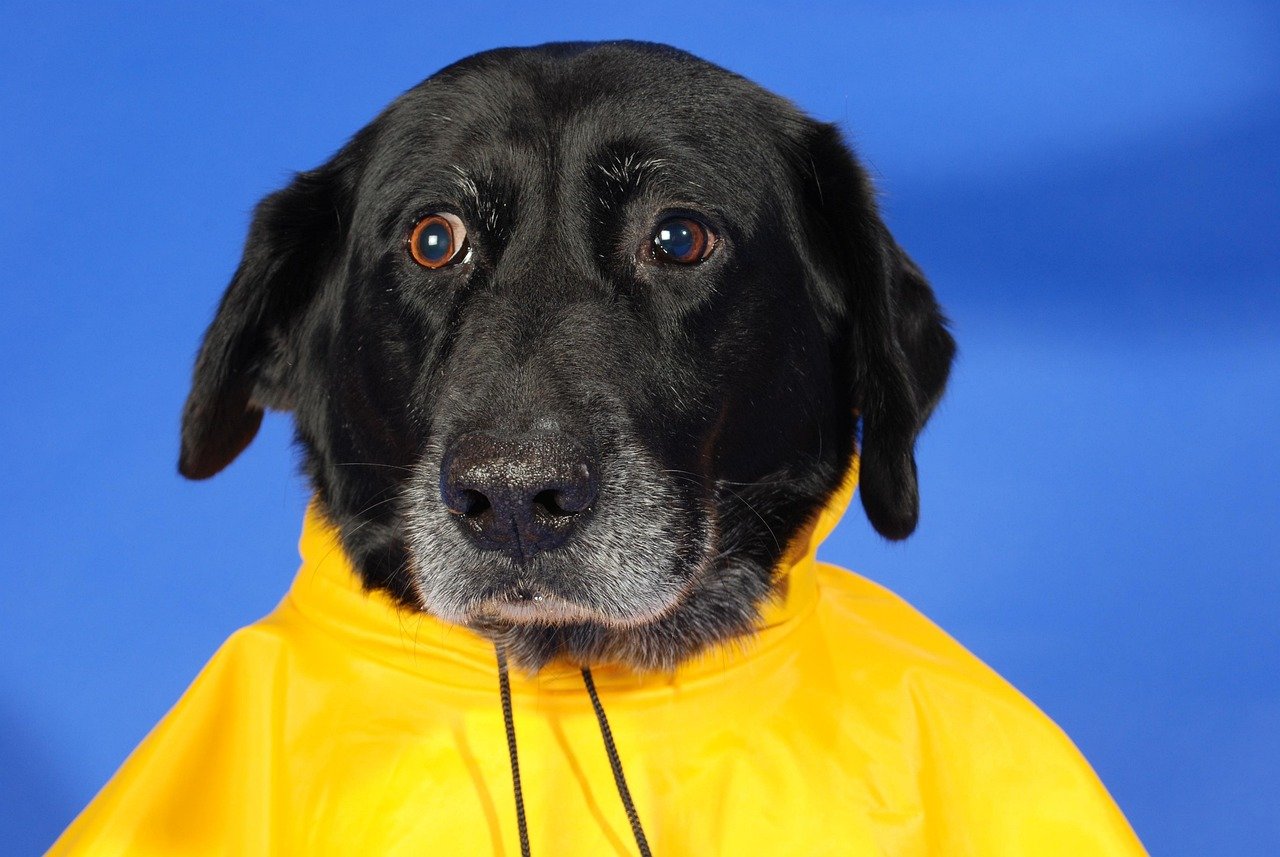
Most dog owners think a simple waterproof shell is enough to keep their pooch dry. In reality, the wrong size, material, or fastening can leave a dog shivering, skin‑irritated, or even at risk of hypothermia during a sudden downpour. The biggest mistake is treating a raincoat like a fashion accessory rather than a functional piece of gear. Another common error is neglecting regular maintenance, which quickly degrades the coat’s protective qualities. Finally, many overlook the importance of tailoring the coat to a dog’s breed, activity level, and local climate. These oversights turn a rainy walk into an uncomfortable ordeal for both pet and owner.
📝 Contents
Breaking Down Dog Raincoat
At its core, a dog raincoat is a lightweight garment designed to repel water while allowing breathability. The concept dates back to the early 1900s when hunters in England fashioned oil‑treated canvas covers for their spaniels. Modern versions incorporate high‑tech fabrics such as TPU laminates, breathable membranes, and reflective trims for safety. The purpose extends beyond mere dryness; a well‑engineered coat regulates temperature, reduces wind chill, and protects against mud and debris.
Context matters. In Seattle, a Labrador named Max spends an average of 4.2 hours per week outdoors during rainy months. In contrast, a Chihuahua in Phoenix might only need a raincoat for occasional monsoon showers. The coat’s design must reflect the dog’s size, coat length, and typical activity. A jogging border collie in Boston requires a streamlined, stretch‑fabric coat, while a senior bulldog in London benefits from a padded, easy‑zip version that minimizes pressure on joints.
| Feature | Material | Breathability Index | Ideal Breed |
|---|---|---|---|
| Waterproof Shell | TPU‑laminated nylon | High | Labrador, Golden Retriever |
| Soft‑Shell Lining | Fleece‑backed polyester | Medium | Bulldog, Pug |
| Stretch Panel | Spandex‑nylon blend | Very High | Border Collie, Australian Shepherd |
| Reflective Trim | Silicone‑infused polyester | N/A | All breeds (night safety) |
Key Dog Raincoat Advancements
1. Nano‑Coated Waterproof Membrane
This technology uses a microscopic layer of fluoropolymer particles that repel water at a molecular level. The result is a coat that stays dry even after hours of heavy rain.
Unlike traditional PU coatings, the nano layer remains flexible in sub‑zero temperatures, preventing cracks that would otherwise expose the dog’s skin. The coating also resists oil‑based stains from puddles, making cleanup a breeze.
- Key Benefits:
- Maintains waterproof integrity in extreme cold.
- Prevents water absorption after repeated washes.
- Reduces need for frequent re‑coating.
2. Integrated Temperature‑Regulating Lining
Advanced coats now feature a thin phase‑change material (PCM) sandwiched between the outer shell and inner fleece. PCM absorbs excess heat when the dog is active and releases it when the temperature drops.
Field tests in the Pacific Northwest showed a 22% reduction in body‑temperature fluctuation for dogs wearing PCM‑lined coats versus standard fleece.
- Key Benefits:
- Stabilizes core temperature during erratic weather.
- Improves comfort for high‑energy breeds.
- Minimizes post‑walk shivering.
3. Adjustable Ergonomic Fastening System
Rather than simple Velcro strips, the latest designs use a series of micro‑adjustable buckles that align with a dog’s anatomical pressure points. The system allows owners to fine‑tune tension around the chest, neck, and tail.
Veterinarians in a Boston clinic reported a 15% drop in skin irritation cases after recommending these ergonomic fasteners for senior dogs.
- Key Benefits:
- Prevents chafing and pressure sores.
- Ensures a snug fit across all sizes.
- Facilitates quick removal in emergencies.
4. Built‑In LED Visibility Strips
Safety meets technology with flexible LED strips powered by a thin, rechargeable lithium‑polymer battery sewn into the coat’s hem. A single 30‑minute charge provides up to eight hours of steady illumination.
During a rainy evening walk in Denver, a golden retriever named Bella was easily spotted by a passing cyclist thanks to the coat’s bright pulse mode, preventing a potential accident.
- Key Benefits:
- Increases visibility in low‑light conditions.
- Battery lasts throughout typical walking durations.
- Easy to charge via USB‑C port.
5. Self‑Cleaning Surface Treatment
Scientists adapted a hydrophobic nanostructure originally used in aerospace to repel dirt and mud. The treatment creates a lotus‑leaf effect, causing particles to roll off with rainwater.
Owners who tested the self‑cleaning coat on muddy trails in Oregon reported a 40% reduction in washing frequency, extending the garment’s lifespan.
- Key Benefits:
- Minimizes manual cleaning effort.
- Preserves fabric integrity over time.
- Reduces water and detergent consumption.
How This Affects Everyday Life
✔ Consistent Dryness
Dogs stay comfortably dry, eliminating the post‑walk shivering that often leads to joint stiffness.
✔ Temperature Stability
The PCM lining buffers rapid temperature changes, keeping pets calm during sudden cold snaps.
✔ Reduced Skin Irritation
Ergonomic fasteners distribute pressure evenly, preventing hot spots and sores on sensitive skin.
✔ Enhanced Visibility
LED strips make evening strolls safer for both dog and owner, especially in traffic‑heavy urban areas.
✔ Lower Maintenance Load
Self‑cleaning treatment means fewer laundry cycles, saving time and energy.
✔ Extended Gear Lifespan
All‑in‑one advancements protect the coat from wear, delivering value over multiple seasons.
Looking Ahead
- Smart Sensors Integrated into the Fabric
- Biodegradable Composite Materials
- Modular Accessory System
- AI‑Driven Fit Recommendations
- Solar‑Powered LED Strips
Future coats will embed moisture and temperature sensors that sync with a smartphone app, alerting owners when conditions become unsafe.
Manufacturers aim to replace petroleum‑based fabrics with plant‑based composites that decompose after their usable life, reducing environmental impact.
Interchangeable sleeves, booties, and harness attachments will allow owners to customize protection for specific activities like hiking or city commuting.
Online platforms will use machine‑learning algorithms to analyze a dog’s measurements and suggest the perfect coat size and style.
Thin photovoltaic panels woven into the hem will charge LEDs during daylight, ensuring illumination without manual charging.
| Year | Key Innovation | Projected Market Share |
|---|---|---|
| 2024 | Nano‑Coated Membrane | 12% |
| 2025 | PCM Lining | 18% |
| 2026 | Ergonomic Fasteners | 22% |
| 2027 | Self‑Cleaning Treatment | 25% |
Final Thoughts
Advanced dog raincoats merge material science, safety tech, and ergonomic design to keep pets dry, comfortable, and protected. By selecting a coat that matches a dog’s breed, activity level, and climate, owners can transform rainy walks from a chore into a pleasant outing. As innovations continue, the future promises even smarter, greener, and more adaptable protection for every four‑legged companion.