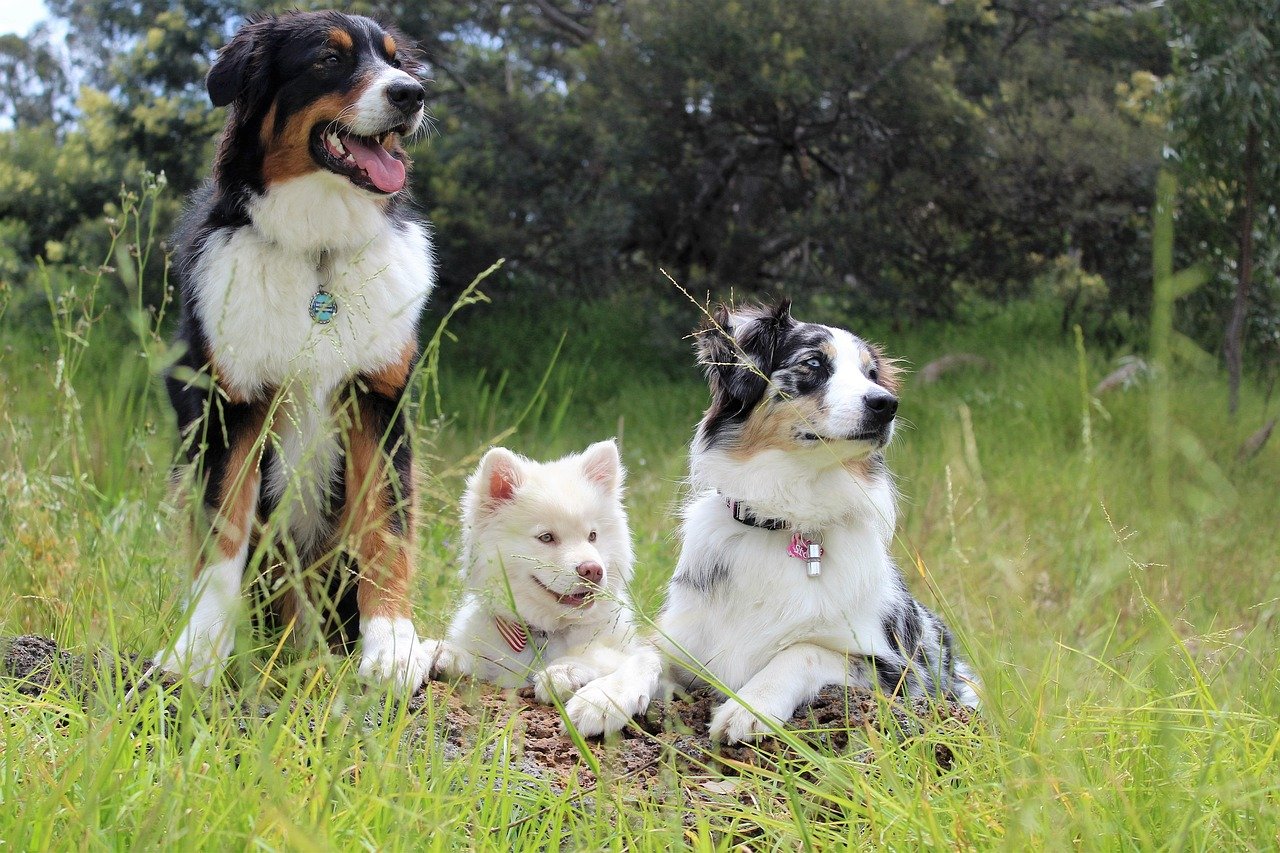
Many people assume that a Bernedoodle, being a mix of a Bernese Mountain Dog and a Poodle, will automatically inherit the best traits of both parents and require minimal effort. In reality, the hybrid can surprise new owners with unique challenges that demand thoughtful preparation. Choosing the right approach to grooming, training, nutrition, and health matters because a misstep early on can set the tone for years of behavior and wellbeing. A well‑planned start helps avoid costly vet visits, destructive habits, and frustration for both dog and family. It also builds a bond that lasts a lifetime.
📝 Table of Contents
Understanding Bernedoodles
Before diving into tips, it helps to picture what a Bernedoodle really is. Take Maya, a three‑month‑old F3 Bernedoodle from Portland, Oregon. Her breeder explained that she carries 62.5% Poodle genes and 37.5% Bernese, which explains her low‑shedding coat and her love for cold weather hikes. Yet Maya also inherited the Bernese tendency to be a bit stubborn during obedience sessions. Understanding those genetic nuances clarifies why certain strategies work better than others.
Another example comes from the Smith family in Austin, Texas. Their Bernedoodle, Rocky, was rescued at eight weeks old. The family learned quickly that despite his adorable looks, Rocky needed consistent mental stimulation to prevent boredom‑induced chewing. Recognizing that Bernedoodles are intelligent, energetic, and sometimes willful informs every decision, from crate training to daily exercise routines.
| Metric | Typical Range | Implication for Beginners |
|---|---|---|
| Size (adult) | Medium‑to‑large (30‑70 lbs) | Space and strength considerations for handling and housing. |
| Coat Type | Wavy to curly, low‑shedding | Regular grooming needed to prevent matting. |
| Energy Level | High to moderate | Daily exercise and mental challenges are essential. |
| Temperament | Friendly, social, sometimes stubborn | Positive reinforcement works best; consistency is key. |
Core Bernedoodle Approaches
1. Early Socialization Programs
Socialization is the cornerstone of a well‑adjusted Bernedoodle. A study from the University of Pennsylvania showed that puppies exposed to a variety of stimuli before 16 weeks are 40% less likely to develop fear‑based aggression.
- What You Gain:
- Confidence in new environments.
- Reduced anxiety around strangers and other animals.
- Stronger bond with owner through shared experiences.
- Drawbacks:
- Requires time commitment and scheduling.
- Potential exposure to poorly vaccinated dogs if not careful.
Best for: Owners who can dedicate weekly outings during the puppy stage.
2. Positive‑Reinforcement Training
Bernedoodles respond best to reward‑based methods. When trainer Jenna Lopez worked with a 4‑month‑old Bernedoodle named Leo, she used clicker training paired with high‑value treats, achieving a reliable sit within three sessions.
- What You Gain:
- Fast learning curve for eager dogs.
- Strengthened trust between dog and owner.
- Less risk of fear or aggression compared to punitive methods.
- Drawbacks:
- May require sourcing special treats.
- Consistency needed; occasional slip‑ups can confuse the dog.
Best for: Beginners who prefer humane, evidence‑based training.
3. Structured Exercise Routines
Energy levels vary, but most Bernedoodles need at least an hour of activity daily. The Johnsons in Denver discovered that a mix of brisk walks, fetch games, and puzzle toys kept their Bernedoodle, Bella, from developing destructive chewing.
- What You Gain:
- Physical health and weight management.
- Reduced boredom‑related behaviors.
- Improved mental sharpness.
- Drawbacks:
- Weather constraints in extreme climates.
- Time commitment for owners with busy schedules.
Best for: Active households or those willing to schedule regular outdoor time.
4. Regular Grooming Regimens
Because of their Poodle ancestry, Bernedoodles often have coats that tangle quickly. Samantha, a groomer in Miami, reports that a monthly trim combined with weekly brushing prevents painful matting and skin issues.
- What You Gain:
- Healthy skin and coat.
- Reduced shedding around the home.
- Early detection of skin parasites or infections.
- Drawbacks:
- Cost of professional grooming every 4–6 weeks.
- Time spent brushing several times per week.
Best for: Owners who value a tidy home and are comfortable with routine grooming.
5. Nutritional Tailoring
Nutrition can make or break a Bernedoodle’s health. A case from a veterinary clinic in Seattle showed that switching a 6‑month‑old Bernedoodle from a generic kibble to a high‑protein, grain‑free formula reduced skin flare‑ups and improved coat sheen within two months.
- What You Gain:
- Optimal growth and muscle development.
- Better coat condition and fewer allergies.
- Longer lifespan and reduced chronic disease risk.
- Drawbacks:
- Higher cost than standard dog food.
- Need to monitor for nutrient balance and portion size.
Best for: Owners willing to invest in premium diet and track feeding schedules.
| Option | Best For | Difficulty | Cost | Speed |
|---|---|---|---|---|
| Early Socialization | New puppies, families with kids | Medium | Low–Medium (class fees) | Fast (visible changes in weeks) |
| Positive‑Reinforcement Training | Owners seeking humane methods | Low | Low (DIY tools) | Medium |
| Structured Exercise | Active households | Medium | Variable (gear, park fees) | Medium |
| Regular Grooming | Owners who value appearance | Medium | Medium‑High (groomer fees) | Slow (monthly results) |
| Nutritional Tailoring | Health‑focused owners | Low | Medium‑High (premium food) | Medium (gradual improvement) |
How to Choose the Right One
When faced with multiple strategies, the first step is to assess lifestyle compatibility. A single professional living in a high‑rise apartment may find daily long hikes impractical, steering them toward indoor enrichment and shorter walks. Conversely, a family with a large backyard can afford extensive playtime and grooming sessions on site.
Next, consider budget constraints. Premium nutrition and professional grooming can add up quickly. A simple cost‑benefit analysis—comparing monthly expenses for food, grooming, training classes, and equipment—helps identify which combination fits the household’s financial reality without compromising health.
Another decisive factor is time availability. Positive‑reinforcement training can be done in 10‑minute bursts, making it ideal for owners with limited free time. Structured exercise may require longer blocks, so scheduling a morning jog or evening park visit becomes essential. If time is scarce, investing in puzzle toys or automated feeders can provide mental stimulation while the owner is away.
Health history of the specific Bernedoodle also guides choices. Dogs with known skin sensitivities benefit most from regular grooming and tailored nutrition. Those prone to joint issues may need low‑impact exercise like swimming or controlled leash walks rather than high‑energy fetch sessions.
Finally, personal preference for training philosophy influences the decision. Some owners feel comfortable with clicker training, while others prefer verbal cues. The key is consistency; mixing methods can confuse the dog and slow progress. Selecting one primary approach and supplementing with complementary practices yields the best outcomes.
The Impact on Consumers
Choosing the right combination of socialization, training, exercise, grooming, and nutrition translates into a calmer household. A well‑socialized Bernedoodle is less likely to bark excessively, reducing neighbor complaints and fostering a peaceful environment.
Proper training leads to reliable obedience, which simplifies daily routines such as leash walks, car rides, and visits to public places. This reliability enhances the owner’s confidence and encourages more frequent outings, benefiting both human and canine health.
Regular exercise curbs obesity, a common issue in medium‑large breeds. Maintaining an optimal weight reduces strain on joints, decreasing the likelihood of arthritis later in life, and saves owners from costly veterinary procedures.
Consistent grooming prevents matting that can cause skin infections and pain. A healthy coat also reflects a healthy dog, making the Bernedoodle more pleasant to cuddle and reducing allergens for sensitive family members.
Tailored nutrition supports growth, immune function, and coat quality. Dogs fed appropriate diets experience fewer digestive upset episodes, translating to fewer emergency vet trips and lower medication expenses.
Overall, a well‑rounded approach improves the dog’s lifespan, allowing families to enjoy many more years of companionship, play, and shared adventures.
Final Thoughts
Successful Bernedoodle ownership begins with a clear understanding of the breed’s genetic traits and lifestyle needs. By evaluating lifestyle, budget, time, health, and training philosophy, owners can select the optimal mix of socialization, positive‑reinforcement training, structured exercise, regular grooming, and nutritional tailoring. This balanced framework sets the stage for a happy, healthy Bernedoodle that enriches the lives of everyone around it.