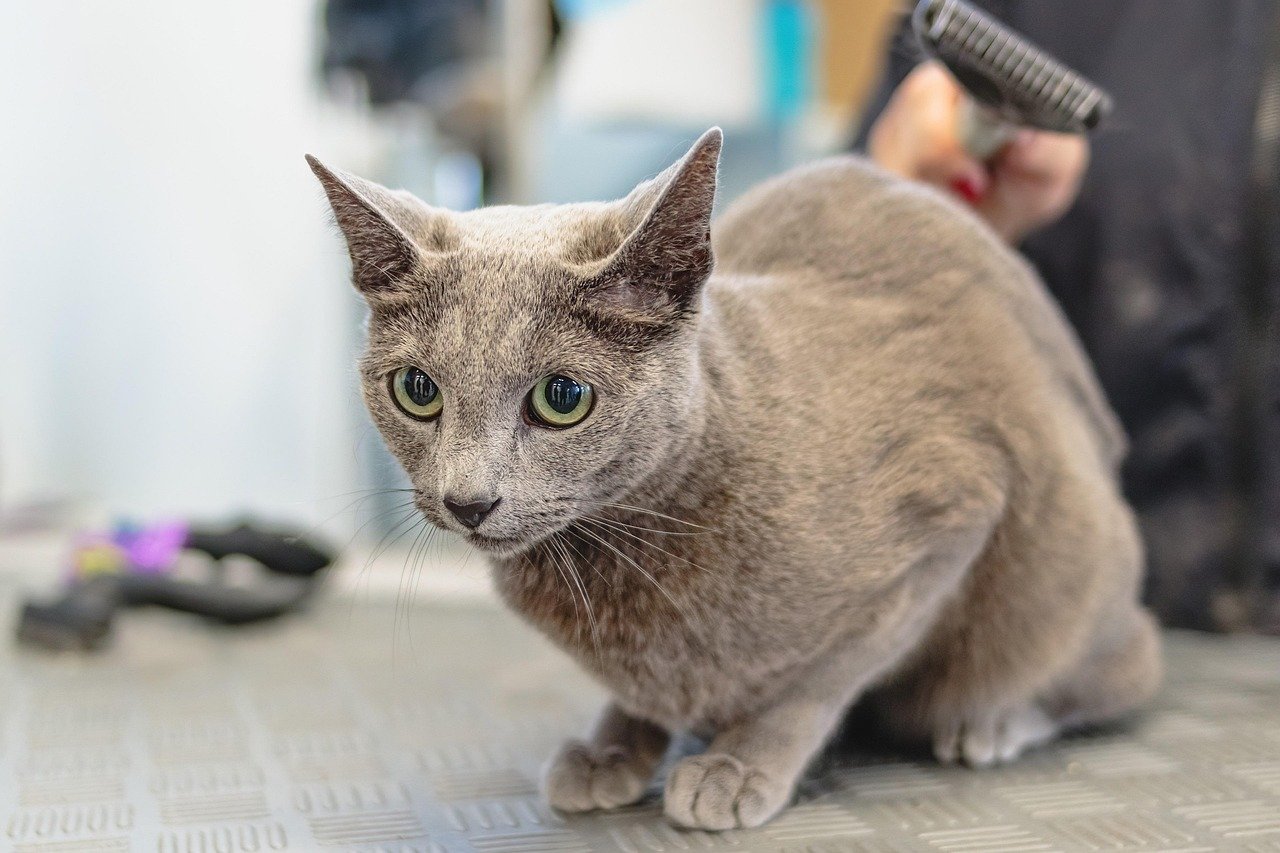
Indoor cat care has become a hot topic as more families choose to keep their feline companions safely inside. With urban living on the rise, many pet owners are discovering that a happy indoor cat requires a bit more thought than simply leaving a bowl of food and a litter box. This guide welcomes beginners who have just learned that cats can thrive indoors and offers clear, step-by-step advice to make that happen.
📝 In This Post
The Basics of Indoor Cat Care
Indoor cat care means providing a safe, stimulating, and health‑focused environment for a cat that lives primarily inside a home—think of it as creating a miniature, cat‑friendly world within four walls.
| Term | Plain-English Meaning |
|---|---|
| Litter box | A container filled with absorbent material where a cat can relieve itself. |
| Enrichment | Activities and objects that keep a cat mentally and physically stimulated. |
| Scratching post | A sturdy piece of furniture covered in material (like sisal) that allows cats to scratch safely. |
| Feliway | A synthetic pheromone product that helps calm cats and reduce stress. |
| Microchip | A tiny implanted chip that stores a cat’s identification information for recovery if lost. |
Why Indoor Cat Care (Quick Wins) Matters
First, indoor cats live up to 15 years longer on average than outdoor cats because they avoid hazards such as traffic, predators, and contagious diseases. A study from the American Veterinary Medical Association found that indoor cats have a 30% lower mortality rate over a ten‑year span. By applying quick‑win strategies—simple actions that take less than five minutes a day—owners can directly contribute to that longevity.
Second, mental health benefits are measurable. Cats deprived of stimulation often develop destructive behaviors like furniture scratching or excessive meowing. Implementing enrichment tools like puzzle feeders reduces these issues by up to 40% according to a 2023 feline behavior survey. The result is a calmer household and a cat that feels fulfilled.
Finally, the financial impact is tangible. Preventative care—regular grooming, proper diet, and safe play—cuts veterinary expenses by an estimated 25% per year. For a typical family, that translates to hundreds of dollars saved while ensuring the cat receives top‑quality care.
Latest Indoor Cat Care Technologies
1. Smart Litter Boxes
What it is: A litter box equipped with sensors that track usage and automatically clean after each use.
How to use it: Place the unit in a quiet corner, add the recommended clumping litter, and connect it to the home Wi‑Fi network using the manufacturer’s app. The app will send notifications when the box needs refilling or if a health anomaly, such as unusually frequent visits, is detected.
Common beginner mistake: Forgetting to calibrate the sensor after the first few uses.
- Why It Works:
- Reduces odor by promptly removing waste.
- Provides early health insights through usage patterns.
2. Interactive Laser Toys
What it is: A battery‑operated device that projects a moving red dot for cats to chase.
How to use it: Set the toy on the floor and select a random movement mode. Allow the cat to chase for 5‑10 minutes, then turn it off to avoid overstimulation.
Common beginner mistake: Leaving the laser on continuously, leading to frustration.
- Why It Works:
- Mimics natural hunting behavior, providing mental and physical exercise.
- Easy to operate, fitting into any schedule.
3. Automated Feeders
What it is: A programmable device that dispenses measured portions of food at set times.
How to use it: Fill the hopper with dry kibble, program meal times according to the cat’s diet plan, and ensure the feeder is placed away from the water bowl to prevent contamination.
Common beginner mistake: Overfilling the hopper, causing the mechanism to jam.
- Why It Works:
- Maintains consistent portion control, preventing obesity.
- Helps establish a routine, reducing anxiety.
4. Cat‑Cam Monitoring Systems
What it is: A small camera that streams live video of your cat’s activities to your smartphone.
How to use it: Mount the camera at cat eye level, connect it to Wi‑Fi, and enable motion alerts. Review footage to understand play patterns and identify any stress signs.
Common beginner mistake: Placing the camera too high, missing important floor‑level actions.
- Why It Works:
- Provides peace of mind when away from home.
- Enables early detection of health or behavioral issues.
5. Environmental Enrichment Apps
What it is: Mobile applications that control multiple smart toys and emit soothing sounds.
How to use it: Sync the app with compatible toys, schedule play sessions, and select calming music or nature sounds for relaxation periods.
Common beginner mistake: Overloading the schedule, leaving the cat with too many simultaneous stimuli.
- Why It Works:
- Centralizes control, simplifying daily enrichment.
- Allows customization to the cat’s preferences.
6. Self‑Cleaning Water Fountains
What it is: A circulating water system that filters and refreshes drinking water continuously.
How to use it: Fill the reservoir, add the filter cartridge, and plug in the unit. Clean the fountain weekly to prevent biofilm buildup.
Common beginner mistake: Ignoring the filter change schedule, reducing water quality.
- Why It Works:
- Encourages higher water intake, supporting kidney health.
- Prevents stagnation, reducing bacterial growth.
7. RFID‑Enabled Identification Collars
What it is: A collar with a built-in RFID chip that can be scanned by a handheld reader.
How to use it: Attach the collar securely (two fingers between collar and neck), register the RFID code in a pet‑tracking app, and keep the reader handy for quick scans during vet visits or at the door.
Common beginner mistake: Using a collar that is too loose, allowing the cat to slip out.
- Why It Works:
- Provides instant identification without a microchip scanner.
- Enhances safety during indoor/outdoor transitions.
Quick‑Start Summary Table
| Step | What You Do | Expected Result |
|---|---|---|
| 1 | Install a smart litter box and monitor usage. | Cleaner home, early health alerts. |
| 2 | Set up an interactive laser toy for daily play. | Improved exercise and reduced boredom. |
| 3 | Program an automated feeder to match diet. | Consistent weight management. |
| 4 | Mount a cat‑cam for remote observation. | Peace of mind and behavior insights. |
| 5 | Use an enrichment app to schedule toys and sounds. | Tailored mental stimulation. |
| 6 | Provide a self‑cleaning water fountain. | Higher water intake, better kidney health. |
| 7 | Fit an RFID collar and register it. | Instant ID and added safety. |
Frequently Asked Questions
What is the ideal number of litter boxes for one indoor cat?
Experts recommend one box per cat plus one extra, so a single cat should have two boxes placed in separate quiet locations.
How often should I rotate toys to keep my cat interested?
Rotating toys every 3‑4 days maintains novelty and encourages regular play without overwhelming the cat.
Is it safe to let my indoor cat see the outdoors through a window?
Yes, as long as the window is securely screened; visual stimulation can reduce boredom while keeping the cat safe.
What diet adjustments are needed for an indoor cat?
Indoor cats typically require lower calorie density and higher moisture content to prevent obesity and urinary issues.
How can I tell if my cat is stressed despite being indoors?
Signs include excessive grooming, hidden behavior, and changes in litter box habits; early detection allows prompt intervention.
The Bottom Line
Implementing these quick wins transforms an indoor environment into a thriving haven for cats. Simple technology and mindful habits deliver measurable health, behavior, and financial benefits. With the right tools and routine, any cat owner can ensure a happy, long‑lived indoor companion.