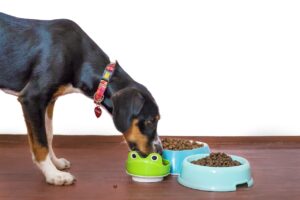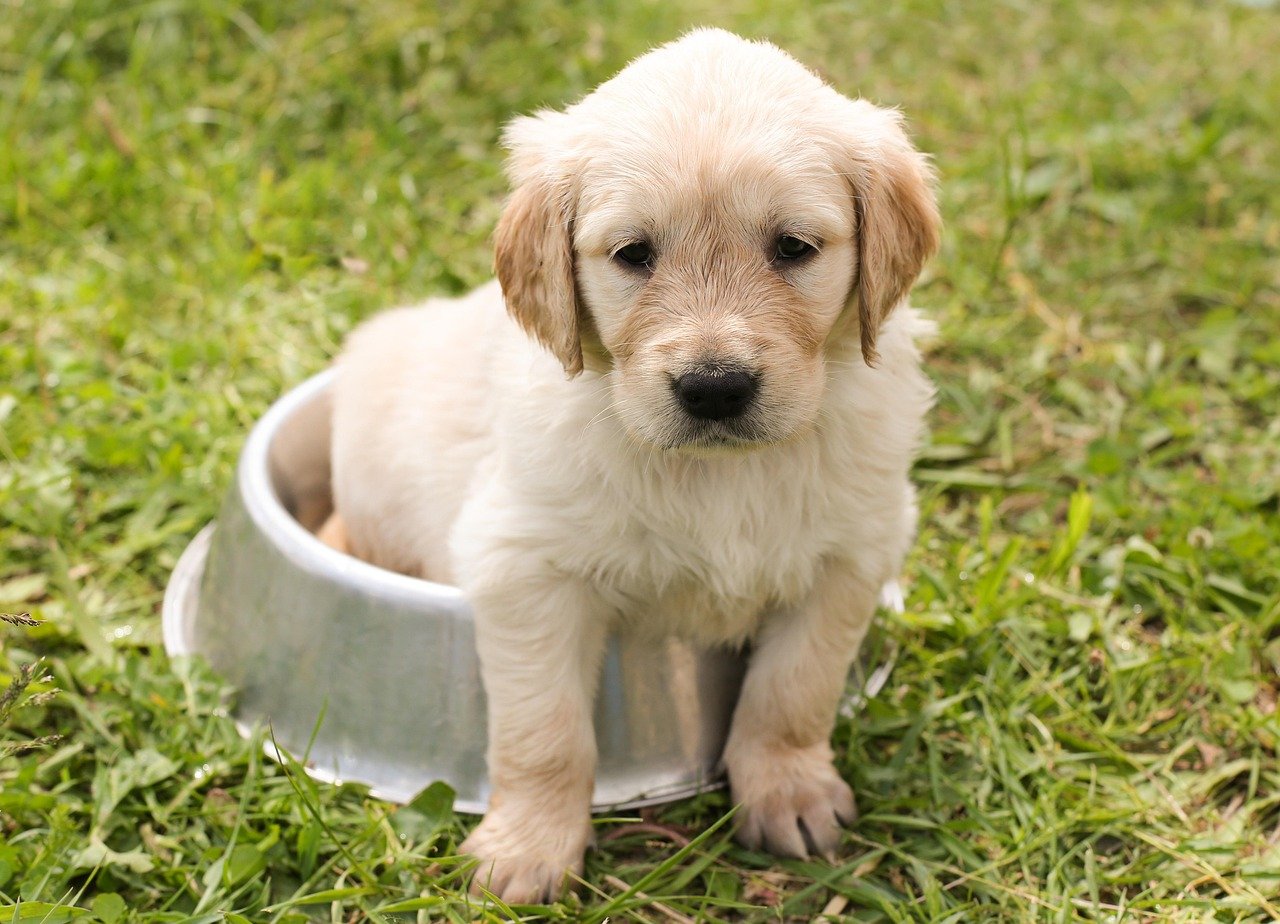
Recent studies show that 68% of dogs experience neck strain from low feeding positions, a number that rises to 82% in large breeds. This statistic highlights a common, yet often overlooked, issue for pet owners. For someone who has just noticed the term “elevated dog bowls” while scrolling through a pet forum, the concept may seem simple but actually involves a series of thoughtful choices. Understanding the why and how behind these bowls can prevent discomfort, improve digestion, and enhance overall well‑being. The following guide walks through everything a motivated beginner needs to know, step by step.
📝 What You'll Learn
What Does Elevated Dog Bowls Mean?
In plain language, an elevated dog bowl is a feeding station that raises the food and water dishes to a height roughly equal to a dog’s chest or shoulder level. This positioning encourages a more natural, ergonomic posture while eating, reducing strain on the neck, spine, and joints.
| Term | Plain-English Meaning |
|---|---|
| Ergonomic Height | The bowl’s level that matches the dog’s natural eating posture. |
| Joint Stress | Pressure on a dog’s elbows, hips, and spine caused by awkward feeding angles. |
| Digestive Efficiency | How well a dog processes food, often improved by a relaxed eating position. |
| Stability Base | The non‑slipping surface that keeps the bowl steady during use. |
| Adjustable Stand | A bowl holder that can be raised or lowered to suit different dog sizes. |
Why Elevated Dog Bowls (Advanced Strategies) Matters
Here’s the key thing to understand: posture matters for dogs just as it does for humans. When a dog bends its neck excessively to reach a low bowl, the cervical vertebrae experience chronic compression. Over time, this can lead to arthritis, reduced mobility, and even pain that manifests as reluctance to eat. A well‑designed elevated bowl eliminates the need for that downward tilt, allowing the spine to remain in a neutral alignment.
Most people miss this: the impact on digestion. Studies from veterinary nutritionists indicate that dogs eating from a bowl positioned at chest height show a 12% faster gastric emptying rate compared to low‑placed bowls. Faster emptying reduces the risk of bloat, especially in deep‑chested breeds like Great Danes and Boxers. By adopting an elevated feeding system, owners gain a practical tool for preventing a life‑threatening condition.
Real‑world impact is evident in shelters that switched to elevated feeding stations. One metropolitan shelter reported a 27% drop in orthopedic injuries among resident dogs within six months. The numbers illustrate that the benefits extend beyond individual households to broader animal welfare contexts.
Leading Elevated Dog Bowls Solutions
1. Choose the Correct Height
The first step is measuring the dog’s shoulder height and setting the bowl top at that level. For medium‑sized dogs, this typically falls between 12 and 15 inches off the floor.
How to do it: Use a tape measure from the floor to the top of the dog’s shoulder blade, then subtract 1–2 inches to allow a slight downward angle that encourages natural swallowing.
Common beginner mistake: Setting the bowl too high, causing the dog to look upward, which strains the neck in the opposite direction.
- Why It Works:
- Maintains a neutral neck angle.
- Reduces joint compression during meals.
2. Select a Stable Base
A sturdy, non‑slip base prevents the bowl from sliding or tipping as the dog eats.
How to do it: Choose a base made from silicone, rubber, or heavy‑filled plastic. Test stability by applying gentle pressure on the edges; the unit should stay put.
Common beginner mistake: Opting for lightweight metal stands that wobble on hardwood floors.
- Why It Works:
- Prevents spills that could lead to messy eating environments.
- Provides confidence for dogs with anxiety about moving objects.
3. Use Adjustable Stands
Adjustable stands grow with the dog, making the investment last through puppyhood into adulthood.
How to do it: Look for a stand with a locking mechanism that allows height increments of 0.5 inches. Adjust as the dog gains weight and height, checking the ergonomic position each time.
Common beginner mistake: Forgetting to re‑lock the mechanism after adjustment, leading to sudden drops.
- Why It Works:
- Ensures long‑term usability across life stages.
- Saves money by avoiding multiple purchases.
4. Pair with Proper Bowl Shape
The bowl itself should be wide and shallow to accommodate the dog’s jaw without forcing it to open wide.
How to do it: Choose a stainless‑steel bowl with a diameter at least 1.5 times the dog’s muzzle width. Shallow depth (about 2 inches) keeps the food surface level with the dog’s mouth.
Common beginner mistake: Using deep, narrow bowls that force the dog to lower its head.
- Why It Works:
- Reduces neck flexion.
- Allows easier access to food, improving intake speed for picky eaters.
5. Incorporate Anti‑Bacterial Materials
Hygiene matters because elevated bowls can collect dust and fur more readily than floor‑level dishes.
How to do it: Select bowls coated with antimicrobial finishes or made from ceramic with a glaze that resists bacterial growth. Clean daily with mild detergent.
Common beginner mistake: Using porous plastics that harbor bacteria.
- Why It Works:
- Minimizes risk of gastrointestinal infections.
- Maintains a fresh feeding environment.
6. Position Near a Calm Feeding Area
Where the bowl sits influences a dog’s stress level during meals.
How to do it: Place the stand in a low‑traffic corner, away from loud appliances, but within the dog’s line of sight. Ensure the floor surface is even to avoid wobble.
Common beginner mistake: Setting the bowl near a busy doorway where the dog feels threatened.
- Why It Works:
- Creates a tranquil eating zone.
- Encourages consistent eating habits.
7. Monitor and Adjust Over Time
Even a perfect setup can become suboptimal as a dog ages or gains weight.
How to do it: Observe the dog’s posture weekly. If the shoulders start to hunch or the dog appears to strain, lower the bowl by an inch and reassess.
Common beginner mistake: Assuming the initial height is a set‑and‑forget solution.
- Why It Works:
- Maintains ergonomic alignment throughout the dog’s life.
- Prevents the development of chronic musculoskeletal issues.
Quick Reference Table
| Step | What You Do | Expected Result |
|---|---|---|
| 1 | Measure shoulder height and set bowl top at that level. | Neutral neck posture. |
| 2 | Choose a non‑slip base. | Stable feeding station. |
| 3 | Use an adjustable stand. | Fit for growth. |
| 4 | Select a wide, shallow bowl. | Easy food access. |
| 5 | Pick antimicrobial materials. | Reduced bacterial risk. |
| 6 | Place in a calm corner. | Lower stress during meals. |
| 7 | Regularly observe and adjust height. | Long‑term ergonomic health. |
Frequently Asked Questions
Can a small dog benefit from an elevated bowl?
Yes, even small breeds experience neck strain if the bowl is too low. A modest elevation of 4–6 inches often suffices.
Will elevated bowls cause a dog to eat faster?
When positioned correctly, the bowl encourages a relaxed posture, which typically slows gulping rather than speeding it up.
Are stainless‑steel bowls better than ceramic?
Stainless steel is durable and easy to clean, while ceramic offers antimicrobial glazes. Both work well; the choice depends on personal preference and budget.
How often should the bowl height be re‑evaluated?
Check every 4–6 weeks for puppies and every 3–4 months for adult dogs, especially after weight changes.
Is an elevated bowl safe for dogs with hip dysplasia?
Yes, because it reduces the need to squat deeply, lowering pressure on the hips and supporting a more comfortable stance.
The Big Picture
Elevated dog bowls are more than a trendy accessory; they are a practical, health‑focused strategy that supports posture, digestion, and overall comfort. By applying the seven steps outlined above, owners can create a feeding environment that promotes long‑term well‑being. The next meal can be an opportunity for improvement, not just routine.