Imagine bringing home a new furry family member, full of excitement and joy, only to soon realize that finding the perfect dog food is a daunting task. With aisles upon aisles of different brands and types, it’s easy to get lost in the sea of options. For Sarah, a first-time dog owner from New York, this was a harsh reality. Her puppy, Max, was suffering from digestive issues, and she soon discovered that his food was the culprit. After months of trial and error, Sarah finally found the right food for Max, and his health significantly improved. But the experience left her wishing she had known more about dog nutrition from the start. Choosing the right approach to dog food matters, as it directly impacts the health, happiness, and longevity of your pet. With the right knowledge, pet owners can make informed decisions, saving their dogs from potential health issues and ensuring a happy, healthy life. Proper nutrition is fundamental for dogs, affecting everything from their energy levels to their coat condition. Given the importance of this decision, it’s crucial to understand the basics of dog nutrition before selecting a food.
📝 Article Overview
What Does Dog Food Mean?
Dog food refers to any substance consumed by dogs to provide nutritional support for their bodies. It comes in various forms, including dry kibble, wet food, and even homemade diets. Understanding the different types and their characteristics is essential for pet owners. Dog food is formulated to meet the nutritional needs of dogs, which vary based on factors such as age, breed, size, and health conditions. For instance, puppies require more protein and calories than adult dogs to support their rapid growth and development. Similarly, dogs with certain health issues may need specialized diets to manage their conditions. Knowing these requirements helps pet owners select the most appropriate food for their dogs.
The nutritional composition of dog food is crucial, and manufacturers often provide this information on the packaging. Key metrics to evaluate include protein content, fat content, carbohydrate sources, and the presence of essential vitamins and minerals. The following table highlights some key metrics to consider when evaluating dog food:
| Metric | Description | Importance |
|---|---|---|
| Protein Content | Percentage of protein in the food | High for growth and maintenance |
| Fat Content | Percentage of fat in the food | Essential for energy and skin health |
| Carbohydrate Sources | Types of carbs used (e.g., grains, potatoes) | Provide energy, fiber, and nutrients |
| Vitamins and Minerals | Essential micronutrients for various bodily functions | Crucial for overall health and immune system |
Dog Food Methods Worth Knowing
Dry Kibble
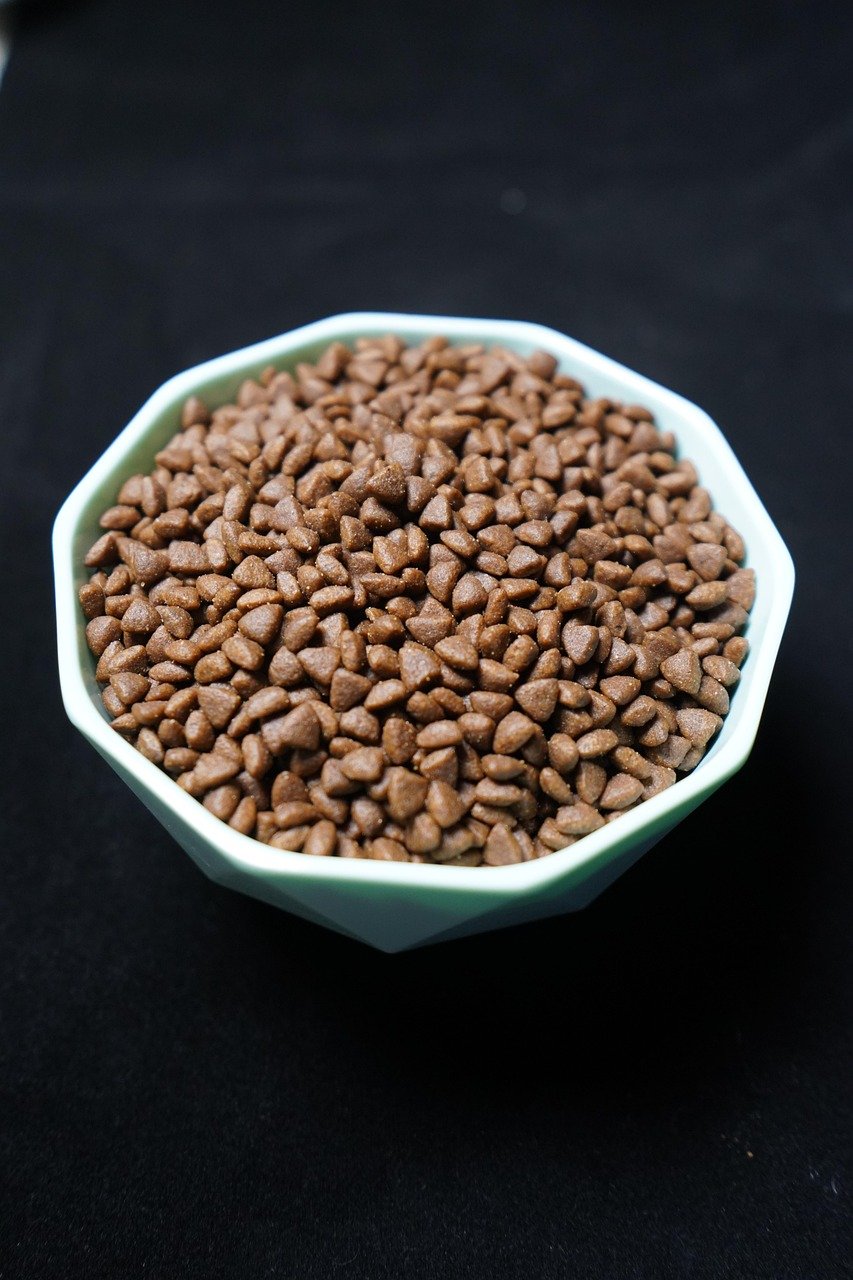
Dry kibble is one of the most common forms of dog food. It’s convenient, cost-effective, and can be stored for long periods. Dry food helps maintain dental health by reducing tartar buildup. However, the processing involved in making kibble can reduce the nutritional value of the ingredients.
- Why It Works:
- Convenient to store and serve
- Generally less expensive than other forms
- Supports dental health
- Drawbacks:
- May contain lower-quality ingredients
- Processing can reduce nutritional value
Best for: Busy pet owners who prioritize convenience and affordability.
Wet Food
Wet dog food offers higher moisture content compared to dry kibble, which can be beneficial for dogs with urinary issues or those who prefer the taste and texture. Wet food often has fewer carbohydrates and can be made with fresher ingredients, preserving more of the nutrients.
- Why It Works:
- Higher moisture content for better digestion
- Fewer carbs, potentially closer to natural diets
- May use fresher, less processed ingredients
- Drawbacks:
- More expensive than dry food
- Shorter shelf life, requiring refrigeration
Best for: Dogs with specific dietary needs or preferences that align with the characteristics of wet food.
Raw Diets
Raw diets involve feeding dogs uncooked meat, bones, and possibly fruits and vegetables, aiming to mimic their natural diet. Proponents argue this approach provides optimal nutrition, but it requires careful planning to ensure all nutritional needs are met.
- Why It Works:
- Mimics natural diet, potentially offering optimal nutrition
- Can reduce allergy issues and improve digestion
- May increase energy and overall health
- Drawbacks:
- Risky if not balanced properly, leading to nutritional deficiencies
- Higher risk of bacterial contamination (e.g., Salmonella)
Best for: Experienced pet owners who can ensure a balanced and safe raw diet.
Homemade Diets
Preparing homemade dog food allows owners to control the ingredients, ensuring they meet their dog’s specific needs and preferences. However, creating a balanced diet requires extensive knowledge of canine nutrition to avoid deficiencies.
- Why It Works:
- Customizable to the dog’s specific needs and preferences
- Can avoid common allergens and fillers found in commercial foods
- Potentially offers the highest level of quality control
- Drawbacks:
- Requires significant time and knowledge to prepare a balanced diet
- Can be expensive, depending on the ingredients chosen
Best for: Dedicated owners with the time, knowledge, and resources to provide a well-balanced homemade diet.
Specialized Diets
Specialized diets are formulated for dogs with specific health conditions or life stages, such as puppies, seniors, or dogs with food allergies. These diets are designed to address particular nutritional needs, aiding in the management of health issues.
- Why It Works:
- Addresses specific health needs or life stages
- Can significantly improve the quality of life for dogs with certain conditions
- Formulated by experts to ensure nutritional adequacy
- Drawbacks:
- May be more expensive than standard dog foods
- Requires a veterinary diagnosis or recommendation for some diets
Best for: Dogs with diagnosed health conditions or specific life stage requirements.
| Option | Best For | Difficulty | Cost | Speed of Results |
|---|---|---|---|---|
| Dry Kibble | Busy owners, general health | Easy | Low-Moderate | Variable |
| Wet Food | Dogs with urinary issues or carb sensitivities | Moderate | Moderate-High | Faster than dry food |
| Raw Diets | Experienced owners, natural diet proponents | Challenging | High | Variable, depends on implementation |
| Homemade Diets | Dedicated owners with nutritional knowledge | Very Challenging | High | Depends on the diet’s quality and balance |
| Specialized Diets | Dogs with health conditions or specific life stages | Moderate | Moderate-High | Noticeable improvements in health conditions |
How to Choose the Right One
The process of selecting the best dog food involves several key considerations. First, it’s essential to understand the dog’s life stage, as different stages (puppy, adult, senior) have specific nutritional requirements. Age is a critical factor, as puppies, for example, need more protein and calories for growth. Breed size is another consideration, as small, medium, and large breeds have different needs based on their size and potential for certain health issues. Additionally, any health conditions the dog may have should guide the choice, as some conditions require specific dietary adjustments. For instance, dogs with food allergies may need novel protein sources or hypoallergenic diets.
Ingredient quality is also a vital factor. Looking for whole ingredients, such as named meats (chicken, salmon), whole grains (brown rice, oats), and a variety of fruits and vegetables, can ensure the dog is receiving a balanced and nutritious diet. Preservatives and additives should be considered, with a preference for natural preservatives over artificial ones. The manufacturing process and the company’s reputation and transparency about their sourcing and production methods are also important. Finally, cost and convenience play a role, as the chosen food must fit within the owner’s budget and lifestyle.
In making this decision, consulting with a veterinarian can provide valuable insights, especially for dogs with health issues or those requiring specialized diets. A veterinarian can help evaluate the dog’s specific needs and recommend the most appropriate diet based on those needs and the owner’s circumstances. Furthermore, monitoring the dog’s response to the food is crucial. Watching for signs of good health, such as a shiny coat, clear eyes, and regular bowel movements, as well as any adverse reactions, will help in determining if the chosen food is the right fit.
Once the decision is made, it’s essential to transition the dog to the new food gradually to prevent digestive upset. A gradual transition, typically over 7-10 days, allows the dog’s digestive system to adjust to the new ingredients. During this time, it’s advisable to monitor the dog closely for any signs of discomfort or adverse reactions, adjusting the transition pace as needed.
Real-World Benefits
Choosing the right dog food can have numerous real-world benefits for both the dog and the owner. For example, a dog fed a high-quality, balanced diet is likely to have more energy and a healthier appearance. This, in turn, can lead to a stronger bond between the dog and the owner, as a healthy dog is more likely to be active and engaged in activities with the family.
A well-nourished dog is also less likely to suffer from digestive issues, reducing the frequency of veterinary visits and the associated costs. Furthermore, a balanced diet can help manage or prevent certain health conditions, such as obesity, diabetes, and food allergies, improving the dog’s overall quality of life and potentially extending its lifespan.
In addition to the direct health benefits, selecting the right dog food can offer practical advantages. For instance, feeding a high-quality food can lead to less waste and a reduction in shedding, making pet care easier and less messy. Moreover, the peace of mind that comes from knowing the dog is receiving the best possible nutrition can be invaluable, reducing stress and anxiety for the owner.
The impact on the dog’s mental health should not be overlooked. A nutritious diet supports brain health, potentially leading to improved mood, reduced anxiety, and better cognitive function. This can result in a more harmonious home environment, as a happy and healthy dog is less likely to exhibit behavioral problems.
Moreover, the right dog food can play a critical role in supporting the dog’s immune system. A well-balanced diet provides essential vitamins, minerals, and antioxidants that help protect against diseases and infections, keeping the dog healthy and resilient.
Lastly, choosing the best dog food sets a foundation for a long and healthy life. By providing optimal nutrition from an early age, owners can help prevent many health issues that arise from poor diet, ensuring their dog lives a full, active, and happy life.
To Sum Up
Choosing the best dog food is a critical decision that significantly impacts a dog’s health, happiness, and longevity. By understanding the dog’s specific needs, considering factors such as age, breed, health conditions, and ingredient quality, owners can make an informed decision. With the right food, dogs can thrive, leading to a stronger, more enjoyable relationship between dogs and their owners. The key to this decision lies in careful consideration, consultation with veterinary professionals, and a commitment to providing the best possible nutrition for a happy, healthy life.
This approach not only benefits the dog but also offers owners peace of mind, knowing they are doing everything possible to support their pet’s well-being. In the end, the time and effort invested in selecting the right dog food are rewarded with a healthier, happier dog, making the path worthwhile for both the dog and the owner.
Ultimately, every dog is unique, with its own set of needs and preferences. What works for one dog may not work for another, emphasizing the importance of a personalized approach to dog nutrition. By embracing this uniqueness and tailoring the diet accordingly, owners can provide their dogs with the best possible start in life, setting the stage for a long, joyful, and healthy relationship.