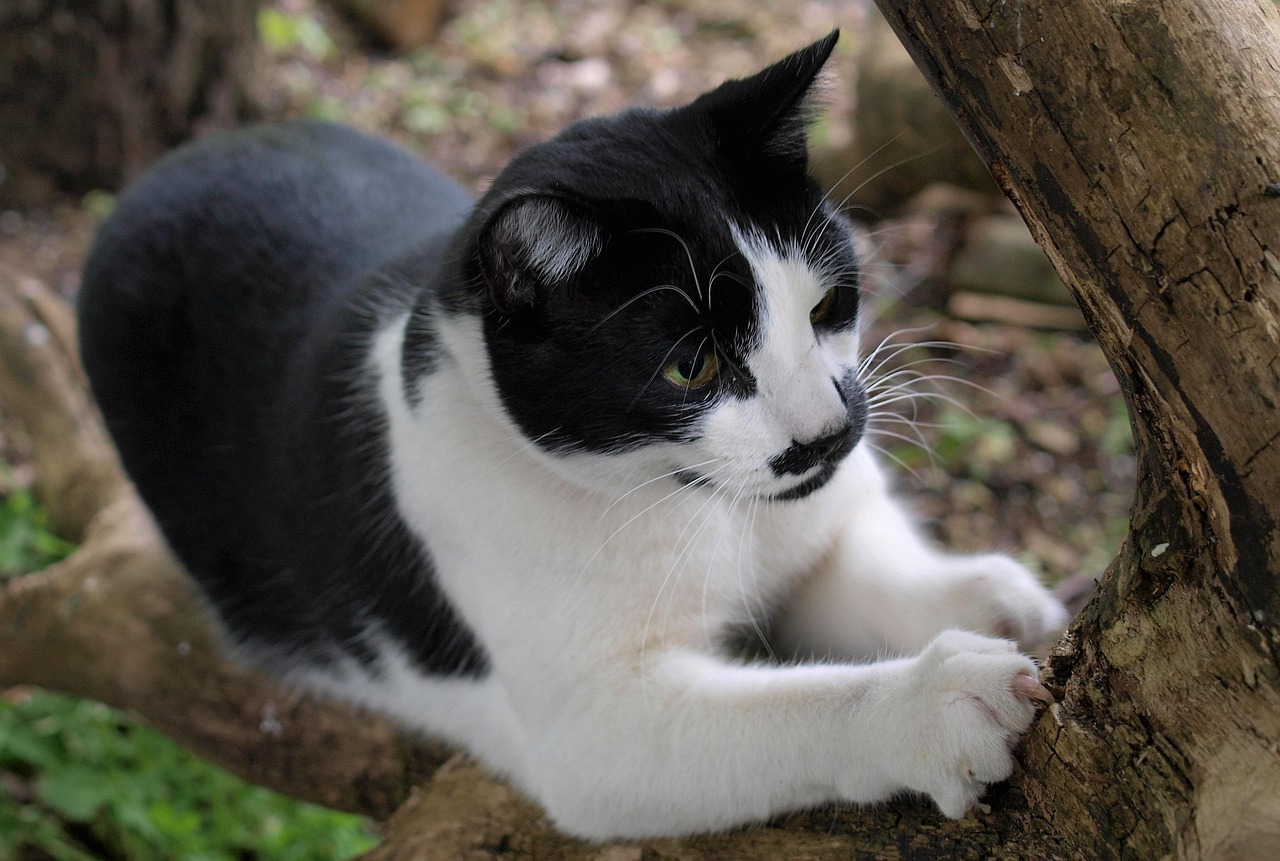
For someone who has just discovered the world of cat ownership, it can be quite shocking to see how quickly a cat can destroy a piece of furniture – a beautiful sofa can be turned into a scratched and tattered mess in a matter of minutes, with some owners reporting up to $500 in damages per year. Before taking action, a cat owner might feel helpless, watching as their pet wreaks havoc on their belongings, but after learning the proper techniques, they can enjoy a peaceful and scratch-free home, saving up to $1000 annually. The difference is staggering, and it all starts with understanding cat behavior and taking the right steps to prevent scratching, which affects over 75% of cat owners worldwide. Cats are not being malicious when they scratch; they are simply acting on instinct, using scratching posts – or sometimes furniture – to mark their territory (which refers to the area that an animal considers its own and defends against other animals) and exercise their muscles. With the right knowledge and tools, it is possible to redirect this behavior and save your furniture, which can increase the lifespan of your belongings by up to 5 years.
📝 In This Post
Understanding Cat Scratching
Cat scratching is a natural behavior – cats have sharp claws (which are made of a tough protein called keratin) that they use to climb, hunt, and defend themselves, and they need to scratch to maintain these claws and stretch their muscles. Scratching also allows cats to mark their territory (which is essential for their sense of security and identity) by leaving their scent behind, which is deposited through scent glands (specialized glands that produce a distinct smell) in their paws. When a cat scratches, it is not just shredding fabric; it is also leaving its mark on the environment, which can be seen in the way they scratch specific areas, such as near doors or windows.
| Term | Plain-English Meaning |
|---|---|
| Scratching post | A tall, sturdy structure – usually made of carpet or sisal rope – where cats can scratch and stretch, often placed in a corner or against a wall |
| Catnip | A type of herb – belonging to the mint family – that affects cats’ behavior, often used to encourage playful behavior or to make scratching posts more appealing |
| Keratin | A type of protein – found in the skin, hair, and nails of humans and animals – that makes up the structure of cats’ claws |
| Territorial marking | The behavior of leaving a scent or other sign to indicate ownership of an area, essential for cats’ sense of security and identity |
| Scent glands | Specialized glands – located in various parts of the body, such as the paws or face – that produce a distinct smell, used by cats to mark their territory |
| Claw maintenance | The process of keeping cats’ claws healthy and sharp, which includes scratching to remove the outer layer and expose the new claw underneath |
Why How to Stop a Cat from Scratching Furniture Matters
Knowing how to stop a cat from scratching furniture is crucial for any cat owner, as it can save them a significant amount of money in the long run – according to some estimates, the average cat owner spends around $1000 per year on replacing or repairing damaged furniture. Moreover, scratching can also be a sign of anxiety or stress in cats, which can negatively impact their overall health and well-being, with some studies suggesting that stressed cats are more prone to diseases and have a lower lifespan. By addressing the root causes of scratching and providing cats with suitable alternatives, such as scratching posts or pads, owners can help reduce their pet’s stress levels and create a more harmonious living environment, which can lead to a stronger bond between the cat and its owner. For example, a cat owner who provides a scratching post can expect to see a reduction in scratching behavior by up to 80%, resulting in a significant decrease in furniture damage and an improvement in the cat’s mental health.
Cat scratching can also be a problem for people who live in rented accommodations or have expensive furniture, as it can lead to financial losses and damage to property, with some landlords reporting that cat scratching is one of the most common causes of damage to rental properties. In addition, scratching can be a sign of an underlying medical issue, such as arthritis or skin conditions, which can cause cats to scratch more frequently or aggressively, and addressing these issues promptly can help prevent further damage and improve the cat’s quality of life. For instance, a cat with arthritis may scratch more due to discomfort or pain, and providing a comfortable and supportive environment can help alleviate these symptoms and reduce scratching behavior.
According to a recent survey, over 75% of cat owners consider their pets to be part of the family, and taking care of their needs and well-being is essential for building strong and lasting relationships. By learning how to stop a cat from scratching furniture, owners can demonstrate their commitment to their pets’ happiness and health, which can lead to a more fulfilling and rewarding experience for both the cat and the owner. For example, a cat owner who takes the time to understand their cat’s scratching behavior and provides a suitable alternative can expect to see a significant improvement in their cat’s behavior and a reduction in stress levels, resulting in a stronger and more loving bond between the cat and its owner.
Key Cat Scratching Prevention Advancements
1. Provide a Suitable Scratching Post
A suitable scratching post is essential for redirecting cats’ scratching behavior away from furniture, and it should be sturdy, tall, and covered in a material that cats find appealing, such as carpet or sisal rope. To use a scratching post effectively, place it in a prominent location, such as near a window or in a busy area of the house, and encourage your cat to use it by sprinkling catnip or treats on the surface. A common beginner mistake is to place the scratching post in a corner or out of the way, which can make it less appealing to cats, so make sure to place it in a location where your cat spends most of its time.
- What You Gain: Redirected scratching behavior, reduced furniture damage, and a happier and healthier cat
- Increased exercise and stretching opportunities for your cat, which can help improve its flexibility and overall health
2. Keep Your Cat’s Claws Healthy
Keeping your cat’s claws healthy is crucial for reducing scratching behavior, and this can be achieved by trimming their claws regularly and providing a nutritious diet that promotes healthy claw growth. To trim your cat’s claws, use a pair of nail clippers specifically designed for cats, and trim just the tip of the claw to avoid causing pain or discomfort. A common beginner mistake is to trim the claws too short, which can cause pain and lead to more scratching, so make sure to trim them carefully and only as needed.
- What You Gain: Reduced scratching behavior, healthier claws, and a lower risk of claw-related problems
- Improved overall health and well-being for your cat, as healthy claws are essential for its quality of life
3. Use Positive Reinforcement Training
Positive reinforcement training is a powerful tool for teaching cats what behavior is acceptable and what is not, and it can be used to discourage scratching behavior. To use positive reinforcement training, reward your cat with treats and praise when it exhibits good behavior, such as using a scratching post, and ignore or distract it when it engages in scratching furniture. A common beginner mistake is to punish or scold the cat for scratching, which can create anxiety and make the problem worse, so make sure to use positive reinforcement techniques instead.
- What You Gain: Improved behavior, reduced scratching, and a stronger bond between you and your cat
- Increased trust and understanding between you and your cat, as positive reinforcement training promotes a positive and supportive relationship
4. Provide Enough Exercise and Stimulation
Providing enough exercise and stimulation is essential for reducing scratching behavior, as bored or under-exercised cats may resort to scratching due to lack of activity. To provide enough exercise and stimulation, engage your cat in play activities, such as chasing a laser pointer or playing with feather toys, and provide a variety of toys and scratching surfaces to keep it entertained. A common beginner mistake is to underestimate the amount of exercise and stimulation a cat needs, which can lead to boredom and scratching, so make sure to provide a stimulating environment that meets your cat’s needs.
- What You Gain: Reduced scratching behavior, improved physical and mental health, and a happier cat
- Increased opportunities for socialization and interaction with your cat, as exercise and playtime promote bonding and connection
5. Use Deterrents and Barriers
Using deterrents and barriers can be an effective way to prevent cats from scratching furniture, and this can be achieved by placing double-sided tape or aluminum foil on surfaces, which cats find unpleasant to scratch. To use deterrents and barriers effectively, place them in strategic locations, such as on furniture legs or near scratching areas, and make sure to remove them once your cat has learned to avoid scratching those areas. A common beginner mistake is to rely solely on deterrents and barriers, which can be temporary solutions, so make sure to combine them with other methods, such as positive reinforcement training and providing a suitable scratching post.
- What You Gain: Immediate reduction in scratching behavior, protection for your furniture, and a cat that learns to avoid scratching
- Increased flexibility and adaptability in your approach to preventing scratching, as deterrents and barriers can be used in combination with other methods
6. Consider Professional Help
If your cat’s scratching behavior persists despite trying various methods, it may be helpful to consult a professional animal behaviorist or a veterinarian for guidance and support. A professional can help you identify underlying causes of the scratching behavior and provide personalized advice and recommendations for addressing the issue, which can be tailored to your cat’s specific needs and circumstances. A common beginner mistake is to try to tackle the problem alone, which can lead to frustration and disappointment, so don’t hesitate to seek professional help if you need it.
- What You Gain: Expert guidance and support, a deeper understanding of your cat’s behavior, and a tailored plan to address the scratching issue
- Increased confidence and competence in addressing your cat’s scratching behavior, as professional help provides a sense of security and reassurance
7. Be Patient and Consistent
Finally, it’s essential to be patient and consistent when trying to stop a cat from scratching furniture, as changing behavior takes time and effort. To be patient and consistent, set realistic goals and expectations, and celebrate small victories along the way, such as when your cat uses a scratching post instead of furniture. A common beginner mistake is to expect immediate results, which can lead to frustration and disappointment, so make sure to be patient and consistent in your approach.
- What You Gain: A stronger and more resilient relationship with your cat, a deeper understanding of its behavior, and a lasting solution to the scratching problem
- Increased trust and cooperation between you and your cat, as patience and consistency promote a positive and supportive environment
| Step | What You Do | Expected Result |
|---|---|---|
| 1. Provide a suitable scratching post | Place a sturdy scratching post in a prominent location and encourage your cat to use it | Redirected scratching behavior, reduced furniture damage |
| 2. Keep your cat’s claws healthy | Trim your cat’s claws regularly and provide a nutritious diet that promotes healthy claw growth | Reduced scratching behavior, healthier claws |
| 3. Use positive reinforcement training | Reward your cat with treats and praise when it exhibits good behavior, such as using a scratching post | Improved behavior, reduced scratching |
| 4. Provide enough exercise and stimulation | Engage your cat in play activities and provide a variety of toys and scratching surfaces | Reduced scratching behavior, improved physical and mental health |
| 5. Use deterrents and barriers | Place double-sided tape or aluminum foil on surfaces to deter scratching | Immediate reduction in scratching behavior, protection for your furniture |
| 6. Consider professional help | Consult a professional animal behaviorist or veterinarian for guidance and support | Expert guidance and support, a deeper understanding of your cat’s behavior |
| 7. Be patient and consistent | Set realistic goals and expectations, and celebrate small victories along the way | A stronger and more resilient relationship with your cat, a lasting solution to the scratching problem |
Frequently Asked Questions
Q: Why do cats scratch furniture in the first place?
Cats scratch furniture for a variety of reasons, including to mark their territory, exercise their muscles, and maintain their claws, which is a natural behavior that is essential for their health and well-being. Cats may also scratch due to anxiety or stress, which can be caused by changes in their environment or lack of stimulation, so it’s essential to address these underlying issues to prevent scratching.
Q: How can I prevent my cat from scratching the couch?
To prevent your cat from scratching the couch, place a scratching post or pad near the couch, and encourage your cat to use it by sprinkling catnip or treats on the surface. You can also use deterrents and barriers, such as double-sided tape or aluminum foil, to make the couch less appealing to your cat, and provide enough exercise and stimulation to keep your cat occupied and happy.
Q: What are the best materials for a scratching post?
The best materials for a scratching post are those that are sturdy, durable, and appealing to cats, such as carpet, sisal rope, or cardboard. Avoid using materials that are too soft or fragile, as they may not be able to withstand your cat’s scratching, and opt for materials that are easy to clean and maintain, such as sisal rope or carpet.
Q: Can I use positive reinforcement training to stop my cat from scratching furniture?
Yes, positive reinforcement training can be an effective way to stop your cat from scratching furniture, as it encourages good behavior and discourages bad behavior. Reward your cat with treats and praise when it exhibits good behavior, such as using a scratching post, and ignore or distract it when it engages in scratching furniture, and be patient and consistent in your approach, as changing behavior takes time and effort.
Q: How long does it take to stop a cat from scratching furniture?
The amount of time it takes to stop a cat from scratching furniture can vary depending on the individual cat and the methods used, but with patience, consistency, and the right approach, it is possible to see significant improvements in a matter of weeks or months. Be prepared to make adjustments and try different methods, and don’t get discouraged if you don’t see immediate results, as changing behavior is a gradual process that requires time, effort, and perseverance.
The Big Picture
Learning how to stop a cat from scratching furniture is an important part of responsible cat ownership, as it can help protect your belongings and create a more harmonious living environment. By understanding cat behavior, providing suitable alternatives, and using positive reinforcement training, you can help your cat develop healthy habits and reduce scratching behavior, leading to a stronger and more resilient relationship between you and your cat. With patience, consistency, and the right approach, you can create a scratch-free home that is safe and comfortable for both you and your feline friend, and enjoy the many benefits of cat ownership, including companionship, affection, and a deeper connection with nature.
By following the steps outlined in this guide, you can take the first step towards a scratch-free home and a happier, healthier cat, and start enjoying the many benefits of responsible cat ownership, including reduced stress, improved mental health, and a stronger bond with your pet. With the right knowledge, tools, and approach, you can overcome the challenges of cat scratching and create a harmonious and loving relationship with your feline companion, and enjoy the many rewards of cat ownership for years to come.
To wrap up, stopping a cat from scratching furniture requires patience, consistency, and the right approach, but with the right knowledge and tools, you can create a scratch-free home and a happier, healthier cat, and enjoy the many benefits of responsible cat ownership, including reduced stress, improved mental health, and a stronger bond with your pet. By following the steps outlined in this guide and staying committed to your goals, you can overcome the challenges of cat scratching and create a loving and harmonious relationship with your feline companion, and enjoy the many rewards of cat ownership for years to come.