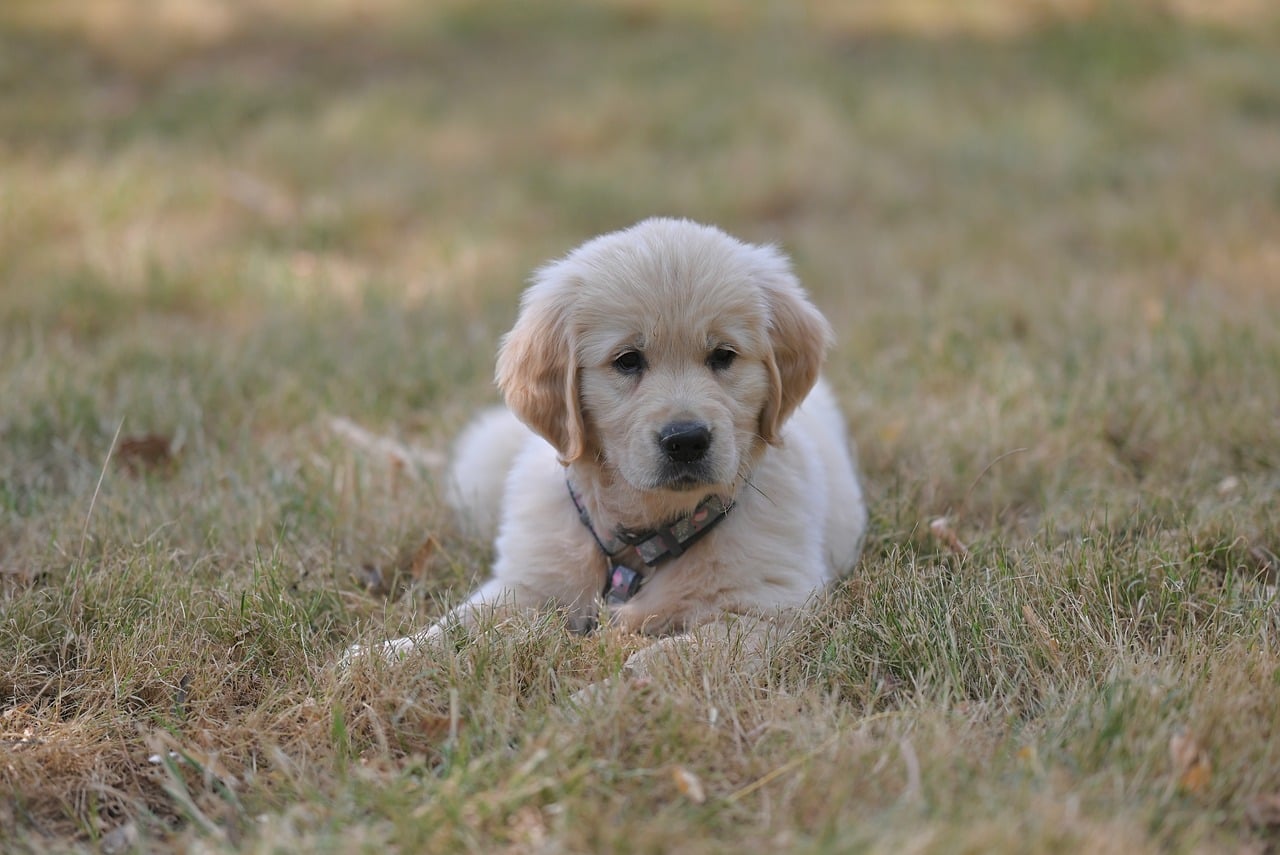
For many, the arrival of a golden retriever puppy is a moment of pure joy, filled with anticipation of the happy years to come. However, as the initial euphoria wears off, the realities of caring for a young dog set in. From housebreaking issues to health concerns, the path of raising a golden retriever puppy is not without its challenges. Despite these difficulties, with the right approach, it’s possible to navigate these obstacles and raise a happy, healthy dog. The transition from an unruly puppy to a well-behaved adult is a significant one, requiring patience, dedication, and the right strategies.
📝 In This Post
Common Challenges With The Basics of Golden Retriever Puppies
Housebreaking Struggles
Housebreaking is one of the most significant challenges new puppy owners face. Accidents in the house are common, leading to frustration and disappointment. This struggle often arises due to inconsistent training and a lack of understanding of a puppy’s limitations, such as their small bladder size and inability to hold their urine for extended periods.
Health Issues
Golden retriever puppies can be prone to certain health issues, including hip dysplasia and eye problems. These conditions can be devastating for both the dog and the owner, emphasizing the need for regular veterinary check-ups and genetic testing of breeding dogs to minimize the risk of inherited diseases.
Socialization Challenges
Socialization is critical for puppies, especially during the first sixteen weeks. However, ensuring a puppy interacts with a variety of people, other animals, and new environments can be daunting, particularly for inexperienced owners. Without proper socialization, puppies may develop anxiety or aggression issues.
Training Difficulties
Training a golden retriever puppy can be challenging due to their high energy levels and distractibility. They require consistent, positive reinforcement training to learn basic commands and behaviors, which can be time-consuming and frustrating if not done correctly.
Nutritional Needs
Understanding the nutritional needs of a growing puppy is essential. Golden retriever puppies require a balanced diet that supports their rapid growth and development. Feeding the wrong food can lead to health problems, making it crucial to choose a high-quality puppy food suitable for their age and breed.
Core Raising Approaches
1. Positive Reinforcement Training
Positive reinforcement training is a highly effective method for teaching golden retriever puppies new behaviors. This approach focuses on rewarding desired actions rather than punishing undesired ones, leading to a stronger bond between dog and owner. Implementing this method involves using treats, praise, and affection to encourage good behavior. Consistency is key, as is patience, as puppies learn at different paces.
- Plus Points: Encourages a positive relationship, reduces fear and anxiety, and is effective for all breeds and ages.
- Enhances the puppy’s ability to learn complex commands.
- Minimizes the risk of developing behavioral problems.
2. Early Socialization
Early socialization is vital for the development of a well-adjusted adult dog. It involves exposing the puppy to various environments, people, and other animals to help them become confident and calm in new situations. This process should start as soon as possible, ideally from the age of 8 weeks, and continue until the puppy is about 16 weeks old.
- Plus Points: Helps prevent fear-based behaviors, promotes confidence, and improves adaptability.
- Reduces the risk of aggression and anxiety issues in adulthood.
- Enhances the puppy’s ability to interact positively with other pets and people.
3. Health Checks and Preventative Care
Regular health checks and preventative care are essential for detecting potential health issues early and preventing others. This includes vaccinations, parasite control, and monitoring for signs of illness or injury. A good relationship with a veterinarian is crucial for receiving advice tailored to the puppy’s specific needs and breed.
- Plus Points: Identifies health issues before they become severe, reduces the risk of preventable diseases, and ensures the puppy receives necessary vaccinations.
- Provides an opportunity for owners to ask questions and receive personalized advice.
- Helps in maintaining the overall health and well-being of the puppy.
4. Balanced Nutrition
Providing a balanced and nutritious diet is fundamental for the healthy growth and development of a golden retriever puppy. The diet should be rich in necessary nutrients, vitamins, and minerals, and formulated specifically for large breed puppies to prevent excessive growth rates that can lead to joint issues.
- Plus Points: Supports healthy growth and development, reduces the risk of nutritional deficiencies, and promotes a shiny, healthy coat.
- Helps in maintaining a healthy weight, reducing the risk of obesity-related diseases.
- Supports the development of strong bones and joints.
5. Consistent Housebreaking
Consistent housebreaking is key to avoiding accidents and helping the puppy learn where it’s appropriate to go to the bathroom. This involves establishing a routine for taking the puppy outside, using positive reinforcement when they eliminate in the correct location, and watching for signs that the puppy needs to go.
- Plus Points: Speeds up the housebreaking process, reduces accidents, and strengthens the bond between puppy and owner.
- Helps in preventing bad habits from forming.
- Minimizes stress and frustration for both the puppy and the owner.
6. Providing Mental and Physical Stimulation
Golden retriever puppies need both mental and physical stimulation to prevent boredom, which can lead to destructive behaviors. This can be achieved through play, training sessions, and providing puzzle toys filled with treats.
- Plus Points: Reduces the risk of destructive behavior, promotes physical health, and enhances mental well-being.
- Helps in strengthening the bond between the puppy and the owner through interactive play.
- Supports the development of problem-solving skills.
| Approach | Old Way | Better Way | Result |
|---|---|---|---|
| Training | Punishment-based | Positive Reinforcement | Stronger bond, fewer behavioral issues |
| Socialization | Minimal exposure | Early and varied socialization | Confident, well-adjusted adult dog |
| Nutrition | Generic dog food | Breed and age-specific nutrition | Healthy growth, reduced health issues |
| Housebreaking | Inconsistent scheduling | Regular, positive reinforcement | Faster housebreaking, fewer accidents |
| Health Care | Infrequent check-ups | Regular health checks, preventative care | Early detection of health issues, improved overall health |
Why This Matters to You
Raising a golden retriever puppy is a significant commitment that affects not just the puppy, but the entire family. By understanding the common challenges and implementing core raising approaches, owners can set their puppies up for success, ensuring they grow into happy, healthy, and well-adjusted adult dogs. This, in turn, enhances the quality of life for both the dog and the family, promoting a lifelong, loving relationship.
For instance, a family who prioritized early socialization for their golden retriever puppy found that their dog was exceptionally confident and friendly, making outings and social gatherings a joy. This confidence also translated into easier training and a reduced risk of anxiety-based behaviors.
Another example is a owner who switched to a breed-specific diet for their puppy, noticing a significant improvement in the puppy’s coat health and energy levels. This change also contributed to healthier growth patterns, reducing the risk of joint issues common in large breeds.
A couple who focused on consistent, positive reinforcement training with their puppy reported a rapid progression in housebreaking and basic command training. This approach not only sped up the learning process but also strengthened the bond between the puppy and the owners, laying a solid foundation for their relationship.
Furthermore, regular health checks and preventative care measures taken by a responsible owner detected a potential health issue in their puppy early on, allowing for timely intervention and treatment. This proactive approach ensured the puppy’s health and well-being, highlighting the importance of a good relationship with a veterinarian.
Step-by-Step Action Plan
- Research and understand the specific needs of golden retriever puppies, including nutritional requirements and health considerations, to provide a tailored approach to their care. This step is crucial for addressing potential issues before they arise and ensuring the puppy receives the best possible start in life.
- Establish a routine for feeding, exercise, and play to provide stability and structure for the puppy, which is essential for their emotional and physical development. Consistency in these areas helps in preventing behavioral problems and supports healthy growth.
- Find a veterinarian experienced in caring for large breeds and schedule regular check-ups to monitor the puppy’s health and catch any potential issues early. This relationship is vital for receiving personalized advice and ensuring the puppy’s health and well-being.
- Invest in high-quality, breed-specific food that meets the nutritional needs of a growing golden retriever puppy, supporting their development and reducing the risk of health problems. The right diet is fundamental for healthy growth and development.
- Start a housebreaking routine immediately, using positive reinforcement techniques to encourage good behavior and prevent bad habits from forming. Consistency and patience are key in this process, which can significantly impact the owner-puppy relationship and the puppy’s adjustment to its new home.
- Begin socialization as early as possible, exposing the puppy to a variety of environments, people, and animals to help them become confident and calm in new situations. Early socialization is critical for preventing fear-based behaviors and promoting a well-adjusted adult dog.
- Provide both physical and mental stimulation through play, training, and interactive toys to prevent boredom and support the puppy’s overall development. Engaging in these activities not only strengthens the bond between the puppy and the owner but also contributes to the puppy’s happiness and well-being.
The Big Picture
Raising a golden retriever puppy is a path that requires dedication, patience, and the right strategies. By understanding the common challenges and implementing effective raising approaches, owners can navigate the difficulties of puppyhood and set their dogs up for a lifetime of happiness and health. As the puppy grows into a well-adjusted adult dog, the rewards of this path become apparent, from the joy of companionship to the pride of owning a well-behaved and loving pet. Looking forward, the bond between a golden retriever and their family is one that can bring immense joy and fulfillment, making the effort and dedication well worth it.