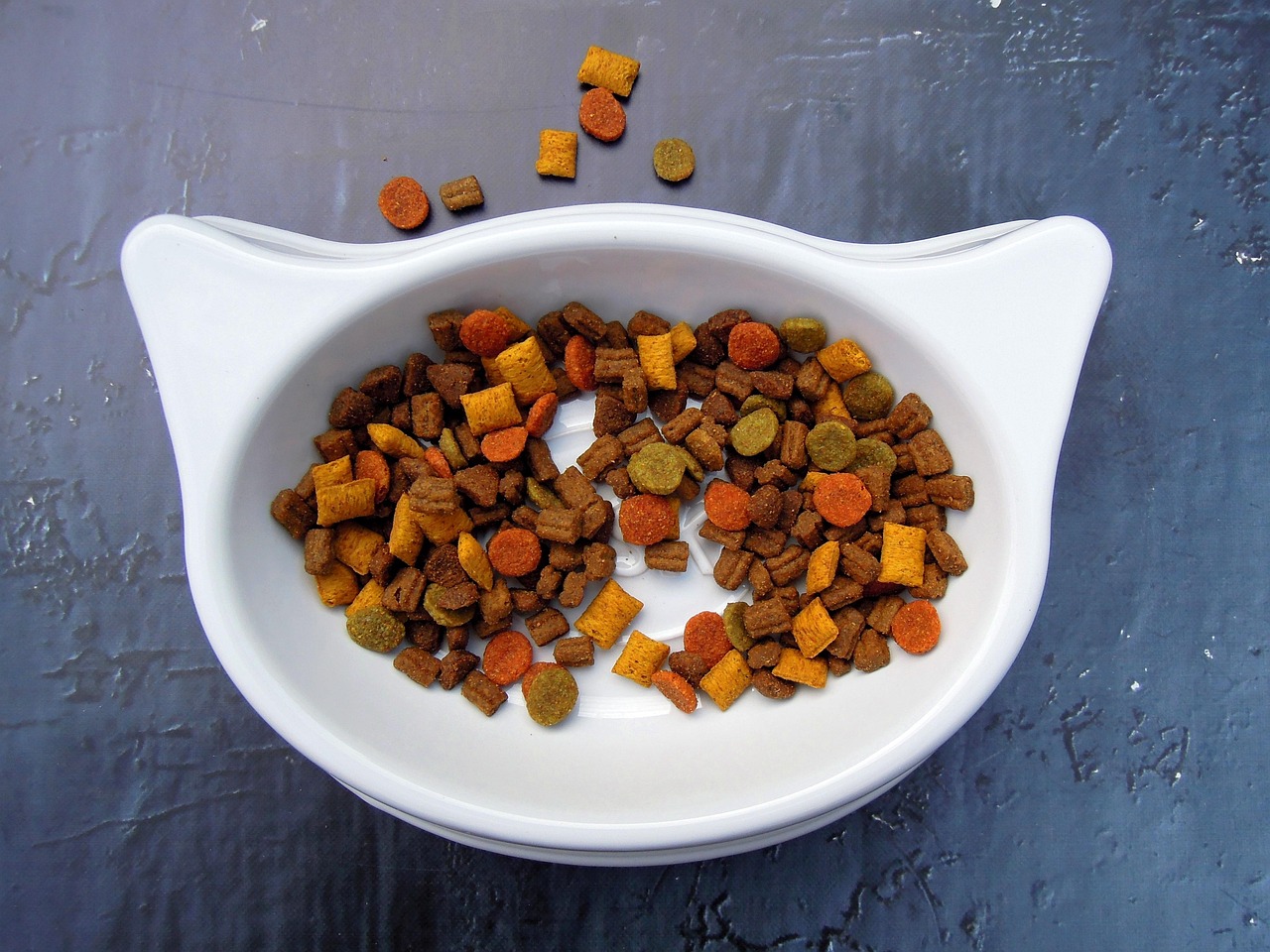
In 2020, the global cat food market was valued at $34.8 billion, with an expected growth rate of 4.5% from 2020 to 2027, indicating a significant investment in feline nutrition. However, despite this growth, many cat owners still struggle to provide their pets with the best possible diet. Data from 2024 suggests that up to 60% of cats are overweight or obese, primarily due to poor nutrition. This alarming statistic underscores the need for cat owners to be more informed about selecting the best cat food for their pets.
📝 What's In This Article
Common Challenges With A Closer Look at Best Cat Food (Common Mistakes)
Insufficient Protein Content
One of the most common mistakes cat owners make is selecting cat food that lacks sufficient protein content. Cats are obligate carnivores, requiring a diet rich in protein from animal sources. Industry studies show that cat foods with inadequate protein can lead to muscle wasting and other health issues. This happens because cats have evolved to thrive on diets high in protein and fat, derived from animal tissue. Their digestive system is specifically designed to process these nutrients efficiently, making protein deficiency a significant nutritional concern.
Inadequate Moisture Content
Another mistake is choosing cat food that is too dry, lacking the moisture content that cats naturally crave. Cats have a low thirst drive and are designed to obtain much of their water intake from their food. Data from 2024 suggests that feeding cats dry food without supplementing with moist or wet food can lead to dehydration and urinary issues. This occurs because cats are not inclined to drink enough water when fed solely dry food, contrary to their natural feeding behavior in the wild.
Presence of Fillers and By-Products
Some cat owners inadvertently select cat foods containing fillers and by-products, which provide little to no nutritional value. Fillers such as corn, wheat, and soy can be difficult for cats to digest, leading to allergies and sensitivities. According to veterinary advice, by-products, while not necessarily harmful, are often of questionable nutritional quality and can indicate lower-grade ingredients. This happens because fillers and by-products are cheaper alternatives used to increase the volume of the food without adding nutritional value, compromising the overall quality of the cat food.
Lack of Essential Fatty Acids
A critical oversight in choosing the best cat food is neglecting to ensure it contains essential fatty acids. These nutrients are crucial for skin and coat health, as well as brain function. Industry reports indicate that a deficiency in essential fatty acids can lead to poor coat condition, skin problems, and even neurological issues. This deficiency occurs because cats cannot synthesize these fatty acids on their own and must obtain them through their diet, emphasizing the importance of selecting a cat food that includes these vital nutrients.
Failure to Consider Life Stage and Lifestyle
Finally, many cat owners fail to consider their cat’s life stage and lifestyle when choosing their food. Kittens, adult cats, and seniors have different nutritional needs, as do indoor versus outdoor cats. Veterinary recommendations highlight the importance of matching the cat food to the cat’s specific life stage and lifestyle to ensure they receive the appropriate balance of nutrients for optimal health. This is critical because a cat’s nutritional requirements change significantly over its lifespan and are influenced by its level of activity and environmental conditions.
Latest Cat Food Technologies
1. High-Protein Formulas
Implementing high-protein formulas in cat food involves using high-quality protein sources such as chicken, salmon, or beef as the first ingredient. This ensures that the cat food meets the cat’s basic need for protein. To implement this, cat owners should read labels carefully, looking for named protein sources at the top of the ingredient list.
- What You Gain:
- Improved muscle mass and strength
- Enhanced overall health and wellbeing
- Reduced risk of obesity and related diseases
2. Moisture-Rich Foods
Moisture-rich foods, such as wet or canned cat foods, can help address the issue of inadequate moisture content. These foods have a higher water content, mimicking the natural diet of cats in the wild. To incorporate these into a cat’s diet, owners can mix them with dry food or feed them as a standalone meal.
- What You Gain:
- Hydration support and reduced risk of urinary issues
- Increased palatability and meal satisfaction
- Lower risk of certain health problems associated with dehydration
3. Limited Ingredient Diets
Limited ingredient diets (LIDs) focus on using a single protein source and a limited number of ingredients, reducing the risk of food sensitivities and allergies. Implementing LIDs involves selecting cat foods with simple, named ingredients and avoiding fillers and by-products.
- What You Gain:
- Reduced risk of food allergies and sensitivities
- Improved digestion for cats with sensitive stomachs
- Clearer ingredient labels for better decision-making
4. Omega-3 Rich Formulas
Omega-3 rich formulas are designed to provide essential fatty acids, crucial for skin, coat, and brain health. Incorporating these into a cat’s diet involves looking for sources of omega-3 fatty acids such as fish oil or flaxseed oil in the ingredient list.
- What You Gain:
- Healthier skin and coat condition
- Support for brain function and cognitive health
- Potential reduction in inflammation and related diseases
5. Life Stage and Lifestyle Specific Formulas
Life stage and lifestyle specific formulas cater to the unique nutritional needs of cats at different stages of their life or with different lifestyles. Implementing these involves selecting cat foods that are specifically labeled for the cat’s life stage (kitten, adult, senior) and lifestyle (indoor, outdoor).
- What You Gain:
- Optimized nutrition for the cat’s current life stage
- Support for the cat’s specific lifestyle needs (e.g., indoor cats may require less calories)
- Better overall health and reduced risk of life stage or lifestyle-related health issues
6. Grain-Free and Low-Carb Options
Grain-free and low-carb options are designed to mimic the natural diet of cats more closely, avoiding grains that cats do not typically consume in the wild. To implement this, owners should look for cat foods that use grain-free or low-carb ingredients and ensure the primary ingredients are protein sources.
- What You Gain:
- Reduced carbohydrate intake, aligning with natural dietary needs
- Potential reduction in obesity and diabetes risk
- Lower risk of digestive issues associated with grain intolerance
| Approach | Old Way | Better Way | Result |
|---|---|---|---|
| Protein Content | Low-protein, fillers as main ingredients | High-protein, named protein sources as first ingredient | Improved muscle mass and overall health |
| Moisture Content | Dry food only, potentially leading to dehydration | Incorporation of wet or canned food for higher moisture content | Hydration support and reduced urinary issues |
| Ingredient Quality | Fillers and by-products as primary ingredients | Named, high-quality protein sources and whole ingredients | Reduced risk of allergies and improved digestion |
| Omega-3 Content | Neglecting essential fatty acid content | Inclusion of omega-3 rich sources like fish oil | Healthier skin, coat, and brain function |
| Life Stage Consideration | One-size-fits-all approach to cat food | Selection of life stage and lifestyle specific formulas | Optimized nutrition for current life stage and lifestyle |
Why People Are Paying Attention
A recent case study involving a cat named Max, who was suffering from obesity and related health issues, showed significant improvement after being switched to a high-protein, grain-free diet. Max’s owner reported a noticeable increase in energy and a reduction in weight, highlighting the importance of selecting the right cat food. This real-world example illustrates how informed decision-making about cat food can lead to tangible health benefits for felines.
Another example involves a cat named Luna, who had chronic digestive issues until her owner started feeding her a limited ingredient diet. The switch resulted in a marked improvement in Luna’s digestion and overall health, demonstrating the potential benefits of tailored nutrition for cats with sensitivities. According to Luna’s owner, the key was finding a food that aligned with Luna’s specific needs and avoiding common allergens.
A veterinary clinic in the United States reported a significant reduction in cases of feline urinary issues after recommending moisture-rich foods to their clients. The clinic’s data suggested that the inclusion of wet food in a cat’s diet was a critical factor in maintaining urinary health, underscoring the importance of moisture content in cat nutrition.
A well-documented study on the benefits of omega-3 fatty acids in cat food found that cats fed an omega-3 rich diet showed significant improvements in skin and coat health, as well as reduced inflammation. The study highlighted the role of essential fatty acids in supporting overall feline wellbeing and reducing the risk of certain diseases.
A cat owner in Europe shared her experience of switching her senior cat to a life stage specific formula, which resulted in improved mobility and a reduction in age-related health issues. The owner attributed the positive changes to the tailored nutrition provided by the senior cat food, emphasizing the importance of considering a cat’s life stage when selecting their diet.
Step-by-Step Action Plan
- Assess your cat’s current diet and identify potential areas for improvement, such as insufficient protein or moisture content, to determine the best course of action for enhancing their nutritional intake. This step is crucial as it sets the foundation for making informed decisions about your cat’s diet.
- Consult with your veterinarian to discuss your cat’s specific nutritional needs based on their life stage, lifestyle, and any health conditions they may have, ensuring that you receive personalized advice tailored to your cat’s unique requirements. This consultation is vital for obtaining expert guidance and creating a customized nutrition plan.
- Read and compare the ingredient labels of different cat foods to find the one that best aligns with your cat’s needs, focusing on high-quality protein sources, adequate moisture content, and the absence of fillers and by-products. This thorough comparison is necessary to make an educated decision about the best cat food for your pet.
- Gradually introduce the new cat food into your cat’s diet to prevent digestive upset, allowing your cat to adjust to the change in nutrition and reducing the risk of adverse reactions. This gradual transition is essential for minimizing the risk of digestive issues and ensuring a smooth adjustment to the new diet.
- Monitor your cat’s health and adjust their diet as necessary, keeping track of changes in their weight, energy level, coat condition, and overall wellbeing to ensure the new diet is meeting their nutritional needs. This ongoing monitoring is critical for evaluating the effectiveness of the new diet and making any necessary adjustments to maintain optimal health.
- Consider supplementing your cat’s diet with omega-3 fatty acids or other nutrients if recommended by your veterinarian, to provide additional support for their overall health and wellbeing. This supplementation can be beneficial in addressing specific nutritional deficiencies or supporting certain health conditions.
- Stay informed about the latest developments in cat nutrition and adjust your cat’s diet accordingly, recognizing that nutritional needs can change over time and that staying up-to-date with the latest research and recommendations is essential for providing the best possible care for your cat. This ongoing education is vital for ensuring that your cat receives the most current and effective nutrition available.
The Bottom Line
Choosing the best cat food is a critical decision that can significantly impact a cat’s health and wellbeing. By understanding common mistakes such as insufficient protein content, inadequate moisture levels, and the presence of fillers and by-products, cat owners can make more informed decisions. Industry studies show that high-protein, moisture-rich, and nutrient-dense foods can greatly improve a cat’s quality of life. As research continues to evolve, it’s clear that there is no one-size-fits-all solution, and cat owners must stay vigilant and adapt to the latest findings to provide their pets with the best possible diet. Looking forward, the future of cat nutrition is expected to be shaped by advancements in technology, a greater understanding of feline nutritional needs, and an increased focus on personalized nutrition, promising a brighter, healthier future for felines worldwide.