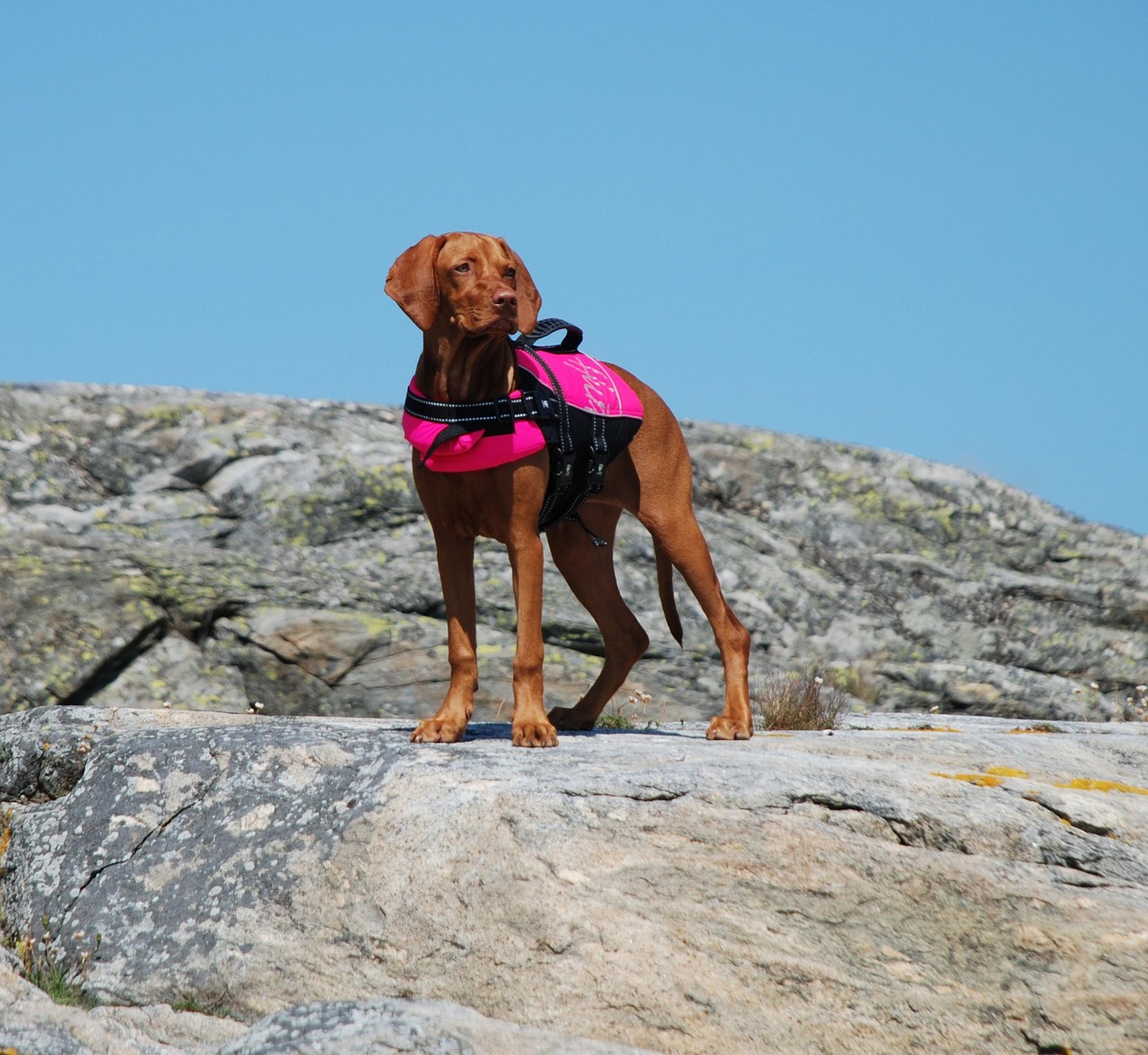
For any dog owner who loves taking their pet on boat rides, swimming, or simply playing near water, safety should always be a top priority. One crucial aspect of water safety for dogs is the use of a dog life jacket. A dog life jacket, also known as a dog life vest or personal flotation device (PFD), is designed to keep your dog afloat and safe in the water. Here’s the key thing to understand: just like humans, dogs can benefit greatly from wearing a life jacket in water, especially if they are not strong swimmers or in situations where they might need extra buoyancy. Most people miss this: even dogs that are good swimmers can tire easily or get caught in strong currents.
📝 Table of Contents
The Basics of Dog Life Jackets
A dog life jacket is essentially a flotation device designed specifically for dogs. It typically consists of a vest with foam or other buoyant material inside, which keeps the dog’s head above water. The design and construction of dog life jackets vary, with different sizes, styles, and features available to accommodate various dog breeds and sizes. Understanding the basics of how a dog life jacket works and what to look for when selecting one is crucial for ensuring your dog’s safety in water.
| Term | Plain-English Meaning |
|---|---|
| Buoyancy | The ability of the life jacket to keep the dog afloat in water. |
| Flotation Device | Any device designed to provide buoyancy, such as life jackets or life vests. |
| PFD (Personal Flotation Device) | Another term for life jackets or vests, emphasizing their role in keeping individuals (including dogs) afloat. |
| Neck Float | A part of some dog life jackets designed specifically to support the dog’s neck and head, keeping them above water. |
| D-ring | A metal ring on the life jacket where a leash can be attached, useful for controlling the dog in or out of the water. |
| Reflective Material | Material on the life jacket that reflects light, making it easier to spot the dog in low-light conditions. |
Why Dog Life Jackets Matter
Dog life jackets are not just accessories; they are critical safety devices. According to the American Kennel Club, not all dogs are natural swimmers, and even those that are can struggle in certain water conditions. For instance, a study by the Pet Health Network found that about 10% of dogs brought to veterinary clinics for near-drowning experiences did not survive. This underscores the importance of preventative measures like dog life jackets. Real examples of dogs being saved by life jackets include cases where dogs have fallen off boats or been swept away by currents, only to be kept afloat by their life jackets until rescue.
Moreover, dog life jackets are beneficial for a wide range of dog owners and their pets. For families who enjoy water activities with their dogs, a dog life jacket can provide peace of mind. It allows parents to let their children play with the dog near water without the constant worry of the dog’s safety. Similarly, for hunters or Search and Rescue (SAR) teams that work with dogs in or near water, dog life jackets are essential for protecting their canine partners during operations.
Additionally, the impact of dog life jackets extends beyond the immediate safety of the dog. They can also reduce the risk of human injury or death during water rescues. When a dog is in distress in the water, the instinct of many owners is to jump in and save them, which can put the owner at risk. By keeping the dog afloat and making them easier to rescue, dog life jackets can prevent such risks. For example, in 2020, a dog life jacket was credited with saving a dog swept away by a strong current in a river, allowing the owner to rescue the dog without having to enter the water themselves.
Dog Life Jacket Methods Worth Knowing
1. Choosing the Right Size
Choosing the right size of dog life jacket is crucial for ensuring the dog’s safety and comfort. The life jacket should fit snugly but not too tightly, allowing for full range of motion. How to do it: measure the dog’s girth, which is the area behind the front legs, and compare it to the size chart provided by the manufacturer. A common beginner mistake is underestimating the importance of a proper fit, which can lead to the life jacket shifting during use or restricting the dog’s movement.
- Key Benefits: Proper fit ensures the dog can swim comfortably and the life jacket stays in place, reducing the risk of the dog slipping out of it.
- Enhances the overall effectiveness of the life jacket in keeping the dog afloat.
2. Selecting the Right Material
Selecting the right material for the dog life jacket can affect its durability, comfort, and buoyancy. Materials range from basic polyester to advanced, quick-drying fabrics. How to do it: consider the dog’s activity level, the water conditions they will be in, and the climate. For high-energy dogs or those in saltwater, more durable materials might be necessary. A common mistake is prioritizing style over functionality, which can compromise the life jacket’s performance.
- Key Benefits: The right material can improve the life jacket’s longevity, reduce maintenance, and provide better comfort for the dog.
- Can enhance the dog’s overall experience, making them more receptive to wearing the life jacket.
3. Understanding Buoyancy
Understanding the buoyancy of a dog life jacket is vital for ensuring it can keep the dog afloat. Buoyancy is measured in pounds and should match or exceed the dog’s weight. How to do it: check the manufacturer’s specifications for the life jacket’s buoyancy rating. A beginner might overlook the importance of matching the dog’s weight to the life jacket’s buoyancy capacity.
- Key Benefits: Ensures the life jacket can keep the dog’s head above water, even if the dog is not a strong swimmer or is exhausted.
- Provides peace of mind for the dog owner, knowing the dog has the best chance of staying safe in water emergencies.
4. Using Reflective Materials
Using reflective materials on the dog life jacket can increase visibility, especially in low-light conditions. How to do it: look for life jackets with built-in reflective strips or patches. A common mistake is underestimating the importance of visibility, especially during early morning or evening walks near water.
- Key Benefits: Reflective materials can make it easier to spot the dog in the water, reducing rescue time and improving safety.
- Enhances the overall visibility of the dog, which can be crucial in preventing accidents, such as being hit by a boat.
5. Training the Dog
Training the dog to wear a life jacket is essential for their comfort and safety. How to do it: introduce the life jacket gradually, starting with short periods on land, then progressing to water. A common mistake is rushing the process, which can lead to the dog becoming stressed or resistant to wearing the life jacket.
- Key Benefits: A well-trained dog is more likely to wear the life jacket without issue, ensuring their safety in water.
- Reduces the risk of the dog trying to remove the life jacket, which can lead to accidents.
6. Regular Inspection
Regular inspection of the dog life jacket is crucial for ensuring it remains in good condition and functions properly. How to do it: check for signs of wear, damage, or degradation of materials. A beginner might overlook the importance of regular maintenance, which can lead to a life jacket failing when it’s needed most.
- Key Benefits: Ensures the life jacket continues to provide the necessary buoyancy and support.
- Extends the life of the life jacket, providing long-term value and safety for the dog.
7. Storage and Maintenance
Proper storage and maintenance of the dog life jacket can extend its lifespan and ensure it remains effective. How to do it: store the life jacket in a cool, dry place, and follow the manufacturer’s cleaning instructions. A common mistake is exposing the life jacket to excessive sunlight or failing to clean it regularly, which can degrade the materials.
- Key Benefits: Proper care can extend the life of the life jacket, saving money and ensuring consistent safety for the dog.
- Keeps the life jacket in good condition, ready for use at any time, providing peace of mind for the dog owner.
| Step | What You Do | Expected Result |
|---|---|---|
| 1. Choose the Right Size | Measure the dog and compare to the manufacturer’s size chart. | Proper fit for comfort and safety. |
| 2. Select the Right Material | Consider activity level, water conditions, and climate. | Durability, comfort, and appropriate buoyancy. |
| 3. Understand Buoyancy | Check the life jacket’s buoyancy rating against the dog’s weight. | Ensured buoyancy to keep the dog’s head above water. |
| 4. Use Reflective Materials | Look for life jackets with reflective strips or patches. | Increased visibility in low-light conditions. |
| 5. Train the Dog | Gradually introduce the life jacket on land and in water. | Dog is comfortable and safe wearing the life jacket. |
| 6. Regular Inspection | Check for wear, damage, or material degradation. | Life jacket remains in good condition and functions properly. |
| 7. Storage and Maintenance | Store in a cool, dry place and follow cleaning instructions. | Life jacket’s lifespan is extended, and it remains effective. |
Frequently Asked Questions
Do All Dogs Need a Life Jacket?
While not all dogs need a life jacket at all times, any dog that will be in or near water should wear one. This is especially true for dogs that are not strong swimmers, are in waters with strong currents, or are engaging in activities where they might tire easily.
How Do I Choose the Best Dog Life Jacket?
Choosing the best dog life jacket involves considering the dog’s size, the intended use of the life jacket, the material, and the buoyancy rating. It’s also important to read reviews and follow the manufacturer’s sizing and usage guidelines.
Can Puppies Wear Dog Life Jackets?
Yes, puppies can wear dog life jackets. It’s especially important for puppies to wear life jackets when in or near water because they can tire easily and may not have the instinct to swim towards shore or a boat. Introduce the life jacket gradually to prevent stress.
Are Dog Life Jackets Only for Swimming?
No, dog life jackets are not only for swimming. They can be useful in any situation where the dog might be in or near water, such as boating, playing near a lake or river, or even during flood situations.
How Often Should I Inspect My Dog’s Life Jacket?
It’s recommended to inspect the dog’s life jacket after each use and at least once a month when not in use. Look for any signs of wear, damage, or degradation of materials that could affect its performance.
Worth Remembering
Dog life jackets are a simple yet effective way to ensure your dog’s safety in and around water. By understanding the basics, choosing the right life jacket, and following proper use and maintenance guidelines, you can significantly reduce the risk of water-related accidents. Taking these steps can provide peace of mind and allow you and your dog to enjoy water activities together safely. Remember, safety should always be the top priority for both you and your pet when engaging in any water activity.