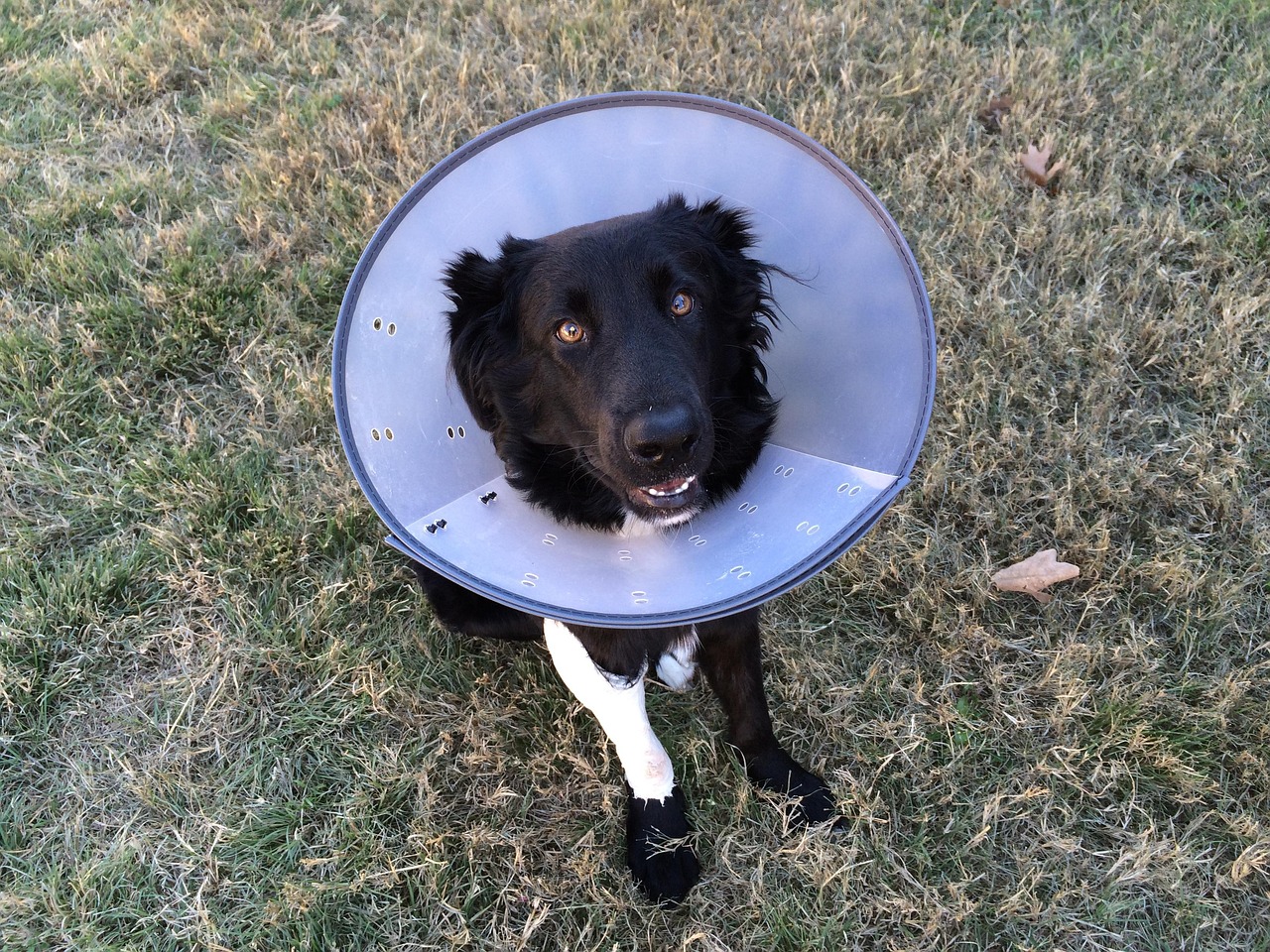
One of the most frustrating problems dog owners face when their pets undergo surgery or suffer from skin conditions is the challenge of preventing them from licking or biting the affected area, which can significantly hinder the healing process. This is where the Elizabethan collar, also known as an E-collar, comes into play. However, its use is often shrouded in misconceptions. Here’s the key thing to understand: the Elizabethan collar is a vital tool in veterinary care, but its effectiveness and the comfort it provides to dogs are often misunderstood. Most people miss the fact that proper use and sizing of the E-collar can greatly enhance its benefits.
📝 Contents
Common Challenges With Elizabethan Collar for Dogs (Myths Debunked)
Poor Sizing and Adjustability
A common issue with Elizabethan collars is their sizing. If the collar is too small, it can be extremely uncomfortable for the dog, potentially causing chafing or constriction. Conversely, if it’s too large, the dog might be able to remove it or it may not effectively prevent access to the affected area. The reason behind this challenge is the lack of standardization in E-collar sizes and the variation in dog breeds and sizes. Understanding that each dog requires a uniquely fitted collar is crucial for its effective and comfortable use.
Inadequate Material and Durability
Another challenge dog owners face is the material and durability of the Elizabethan collar. Cheaply made collars can be flimsy, leading to breakage or the dog finding ways to manipulate and remove them. This happens because some manufacturers prioritize cost over quality, resulting in products that are not designed with the dog’s best interests in mind. High-quality materials and sturdy construction are essential for an E-collar to be effective.
Limited Mobility and Visibility
Dogs wearing Elizabethan collars often experience limited mobility and visibility, which can lead to frustration and accidents. The large, stiff nature of traditional E-collars can make it difficult for dogs to see, eat, or even move around without bumping into things. This limitation arises from the design of traditional collars, which sometimes prioritizes functionality over the dog’s quality of life. Modern designs are addressing these issues, but awareness of them is key to choosing the right E-collar.
Stress and Anxiety
The use of an Elizabethan collar can also induce stress and anxiety in dogs due to the confinement and restriction it imposes. Dogs are naturally curious and active animals, and the sudden limitation of their movements and actions can be distressing. This reaction is a result of the dog’s inability to understand the purpose of the collar and the sudden change in its environment and routine. Owners must be patient and find ways to reassure their pets during this period.
Social and Practical Challenges
Finally, there are social and practical challenges associated with the use of Elizabethan collars. Dog owners might find it difficult to manage their dog’s daily activities, such as feeding and walking, while the dog is wearing the collar. Socially, the appearance of the collar can draw unwanted attention, and some owners might feel embarrassed or sympathetic towards their pet’s condition. These challenges stem from the inconvenience and the lack of awareness about the importance and temporary nature of the E-collar’s use.
Key Elizabethan Collar Advancements
1. Improved Materials and Design
The advancement in materials and design has led to the creation of more comfortable, lightweight, and durable Elizabethan collars. These new designs consider the dog’s comfort and mobility, providing a better quality of life during the recovery period. To implement this, owners should look for collars made from breathable materials and those that offer flexibility without compromising on their protective function.
- Enhanced durability ensures the collar remains effective throughout the recovery period.
- Lightweight materials reduce the stress and discomfort on the dog’s neck.
- Flexible designs allow for better mobility and visibility, reducing the risk of accidents.
2. Adjustable and Customizable Options
Another significant advancement is the availability of adjustable and customizable Elizabethan collars. These allow owners to fit the collar perfectly to their dog’s size, ensuring comfort and effectiveness. Implementing this involves measuring the dog correctly and choosing a collar that can be adjusted as needed.
- Perfect fit reduces discomfort and stress on the dog.
- Adjustability accommodates changes in the dog’s condition or size during recovery.
- Customization options cater to different breeds and sizes, ensuring every dog can benefit from an E-collar.
3. Soft and Inflatable Collars
Soft and inflatable Elizabethan collars have become popular due to their comfort and practicality. These collars are especially useful for dogs that need to wear an E-collar for an extended period, as they provide superior comfort and do not obstruct the dog’s vision as much as traditional collars. To use these effectively, owners should follow the manufacturer’s instructions for inflation and ensure the collar is the right size for their dog.
- Soft collars are gentler on the dog’s skin, reducing irritation and chafing.
- Inflatable collars are easy to store and transport when deflated.
- They offer a more humane alternative to traditional stiff E-collars.
4. Collars with Visibility Windows
Some Elizabethan collars now come with visibility windows, which are cut-outs that allow the dog to see its surroundings more clearly. This design feature helps reduce the stress and frustration associated with wearing an E-collar, as it improves the dog’s ability to navigate its environment safely. Implementing this involves selecting a collar with appropriately sized windows that do not compromise the protective function.
- Improves the dog’s ability to see and interact with its environment.
- Reduces the risk of accidents caused by limited visibility.
- Enhances the dog’s quality of life during the recovery period.
5. Alternative Solutions to E-Collars
For some dogs and conditions, alternative solutions to traditional Elizabethan collars are available. These can include bandages, topical deterrents, or even calming aids to reduce the dog’s urge to lick or chew the affected area. Implementing these alternatives requires consultation with a veterinarian to determine the most appropriate solution based on the dog’s specific condition and needs.
- Provides options for dogs that cannot tolerate traditional E-collars.
- Can be more cost-effective for minor conditions or shorter recovery periods.
- Offers a less intrusive method of preventing interference with the healing process.
6. Educative Support and Resources
Finally, there has been an increase in educative support and resources available for dog owners whose pets need to wear an Elizabethan collar. This includes guides on how to introduce the collar, tips for making the dog more comfortable, and advice on managing the recovery period. Accessing these resources involves reaching out to veterinarians, pet care professionals, or online communities dedicated to pet health.
- Empowers owners with the knowledge to better care for their dogs during recovery.
- Reduces stress and anxiety for both the dog and the owner.
- Improves the overall outcome of the recovery process.
| Approach | Old Way | Better Way | Result |
|---|---|---|---|
| Material | Stiff Plastic | Flexible and Breathable | Increased Comfort |
| Sizing | One-Size-Fits-All | Adjustable and Customizable | Better Fit |
| Design | Constraining | Ergonomic with Visibility Windows | Improved Mobility and Visibility |
| Alternatives | Limited Options | Bandages, Topical Deterrents, Calming Aids | More Choices for Owners |
| Support | Limited Resources | Educative Support and Online Communities | Empowered Owners |
Why People Are Paying Attention
One real-world result of the advancements in Elizabethan collars is the significant reduction in stress and anxiety for both dogs and their owners. For example, a dog recovering from surgery was able to navigate its home safely and comfortably thanks to a visibility window in its E-collar, reducing the risk of accidents and improving its quality of life.
In another instance, the use of an adjustable and customizable Elizabethan collar allowed a dog owner to ensure a perfect fit for her pet, which not only enhanced the dog’s comfort but also ensured the collar remained in place, protecting the healing area effectively.
A third example involves a dog that was able to recover from a skin condition more quickly due to the use of an alternative solution to the traditional E-collar, which was less intrusive and allowed for better mobility and visibility, thus reducing the recovery time.
Furthermore, educative support and resources have empowered dog owners to better care for their pets during the recovery period, leading to improved outcomes and a reduction in complications. This is evident in the growing number of success stories where informed owners have made a significant difference in their dog’s recovery through proper use of E-collars and alternative solutions.
Additionally, the development of soft and inflatable collars has provided a humane alternative to traditional E-collars, offering superior comfort and practicality for both dogs and their owners, as seen in the positive feedback from owners who have used these collars for their pets.
Step-by-Step Action Plan
- Consult with a veterinarian to determine the best type of Elizabethan collar or alternative solution for your dog’s specific condition, as this will ensure you are making an informed decision based on professional advice. This step is crucial because it sets the foundation for the entire recovery process, ensuring that the chosen solution is appropriate and effective.
- Measure your dog accurately to ensure the best fit for the chosen collar, which is vital for the dog’s comfort and the effectiveness of the collar in preventing interference with the healing area. Proper sizing reduces the risk of complications and enhances the dog’s quality of life during recovery.
- Introduce the collar gradually to your dog, allowing it to become accustomed to the new apparatus, which can help minimize stress and anxiety associated with wearing an E-collar. This gradual introduction is a key step in ensuring the dog’s comfort and reducing the risk of the dog trying to remove the collar.
- Monitor your dog’s condition and adjust the collar as necessary to ensure it remains comfortable and effective, which involves keeping a close eye on the dog’s behavior and the healing process, making adjustments to prevent any complications. This ongoing monitoring is essential for the dog’s recovery and for addressing any issues promptly.
- Follow the manufacturer’s instructions for the care and maintenance of the Elizabethan collar, which includes cleaning and storing the collar properly to extend its lifespan and ensure hygiene. Proper care of the collar is important for the dog’s health and for maintaining the collar’s effectiveness.
- Seek support from veterinarians, pet care professionals, or online communities for advice on managing the recovery period and addressing any challenges that arise, which can provide valuable insights and solutions based on the experiences of others. This support network can be invaluable in navigating the recovery process and ensuring the best possible outcome for the dog.
- Keep your dog’s environment safe by removing any hazards or obstacles that could pose a risk while the dog is wearing the collar, which involves dog-proofing the home to prevent accidents and ensure the dog’s safety. This step is critical for preventing injuries and complications during the recovery period.
Final Thoughts
The use of an Elizabethan collar is a common necessity in dog care, especially after surgery or for skin conditions. However, it’s crucial to understand the challenges associated with its use and the advancements that have been made to address these issues. By being informed and proactive, dog owners can significantly improve their pet’s quality of life during the recovery period. As the field of veterinary care continues to evolve, it’s likely that even more innovative solutions will become available, further enhancing the care and comfort of dogs in need. Moving forward, staying updated on the latest developments and best practices in the use of Elizabethan collars will be essential for providing the best possible care for our pets.