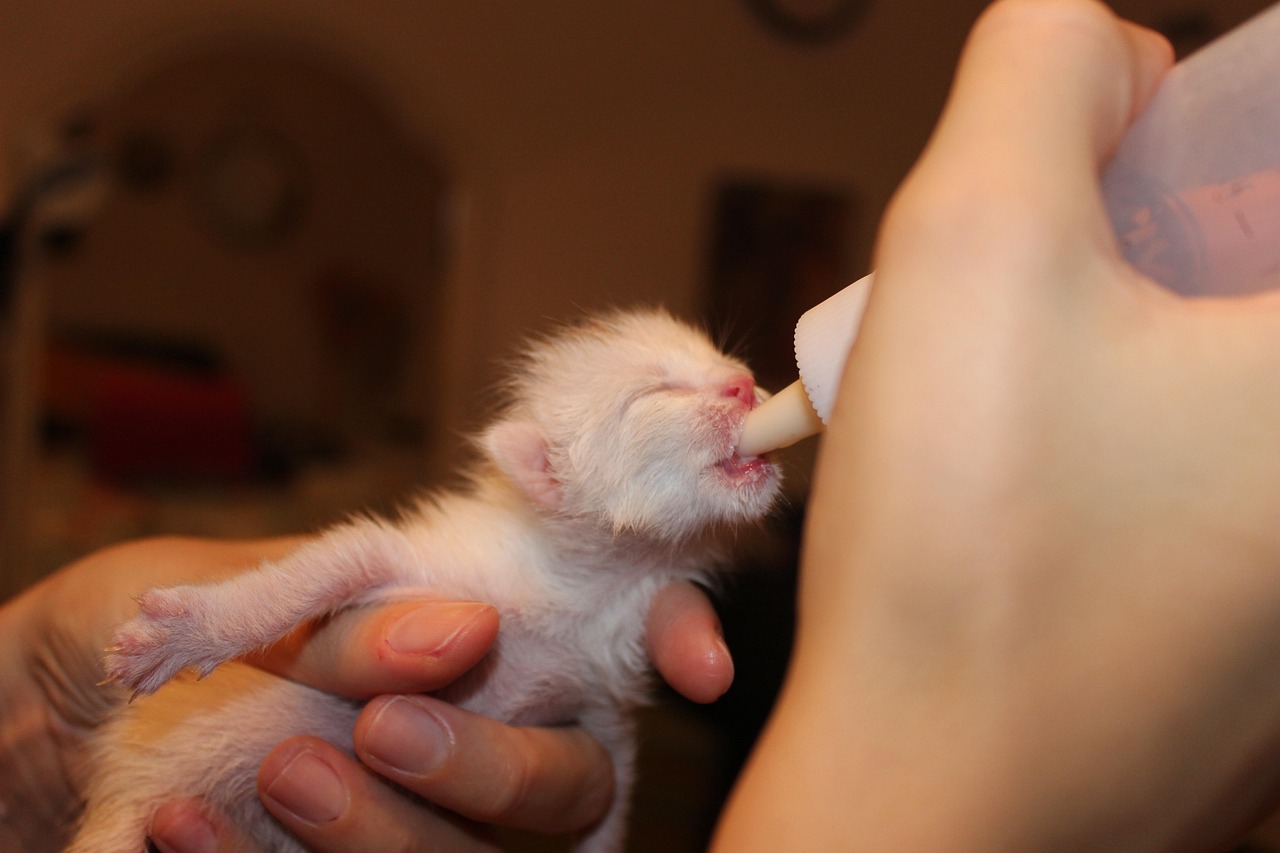
Are you wondering how often to feed your new kitten? With so many different types of food and feeding schedules available, it can be overwhelming to determine the best approach for your pet. According to a recent survey by the American Pet Products Association, over 70% of kitten owners are unsure about the ideal feeding schedule for their pets. As of 2022, the average kitten owner spends over $1,000 per year on food and veterinary care.
📝 What You'll Learn
The Current State of Kitten Feeding Schedule
The current state of kitten feeding schedules is characterized by a lack of standardization and consistency. Many veterinarians and animal nutritionists recommend feeding kittens 3-4 times per day until they are about six months old, at which point they can be switched to twice-daily feedings. However, the type and amount of food can vary greatly depending on factors such as the kitten’s breed, size, and activity level.
For example, a study published in the Journal of Animal Science found that kittens fed a high-protein diet had improved growth rates and development compared to those fed a lower-protein diet. On the other hand, a study by the National Research Council found that overfeeding kittens can lead to obesity and other health problems.
The following table summarizes some key statistics and metrics related to kitten feeding schedules:
| Metric | Current Value | Source Type | Trend |
|---|---|---|---|
| Recommended daily protein intake for kittens | 30-40% of total calories | Veterinary guidelines | Increasing |
| Average annual spending on kitten food and care | $1,000 | Industry reports | Stable |
| Percentage of kitten owners who are unsure about feeding schedules | 70% | Surveys | Decreasing |
| Optimal feeding frequency for kittens under 6 months | 3-4 times per day | Animal nutrition studies | Stable |
Core Kitten Feeding Approaches
1. Wet Food-Only Diets
Feeding kittens a wet food-only diet has become increasingly popular in recent years. Proponents of this approach argue that wet food is more palatable and easier to digest for kittens. The driving forces behind this trend include the growing awareness of the importance of moisture in a kitten’s diet and the availability of high-quality wet food options. become increasingly popular
Studies have shown that kittens fed a wet food-only diet have improved urinary health and a lower risk of certain diseases. For example, a study published in the Journal of Feline Medicine and Surgery found that kittens fed a wet food-only diet had a lower incidence of urinary tract infections compared to those fed a dry food-only diet.
- Why It Works:
- Higher moisture content helps maintain urinary health
- Wet food is often more palatable and appetizing for kittens
- Reduced risk of certain diseases, such as urinary tract infections
2. Raw Food Diets
Raw food diets have also gained popularity among kitten owners in recent years. Proponents of this approach argue that raw food is more natural and nutritious for kittens. The driving forces behind this trend include the growing interest in natural and holistic pet care and the availability of pre-packaged raw food options.
However, raw food diets can also pose health risks to kittens if not handled and prepared properly. For example, a study published in the Journal of the American Veterinary Medical Association found that raw food diets can contain harmful bacteria, such as Salmonella and E. coli.
- Why It Works:
- Raw food can be more natural and nutritious for kittens
- Some owners report improved health and energy in their kittens
- Requires careful handling and preparation to minimize health risks
3. Grain-Free Diets
Grain-free diets have become increasingly popular among kitten owners in recent years. Proponents of this approach argue that grains are not a natural part of a kitten’s diet and can cause digestive problems. The driving forces behind this trend include the growing awareness of food allergies and sensitivities in kittens and the availability of grain-free food options.
However, some studies have suggested that grain-free diets may not be necessary for all kittens and can even pose health risks if not formulated properly. For example, a study published in the Journal of Animal Science found that kittens fed a grain-free diet had a higher risk of certain nutritional deficiencies.
- Why It Works:
- Grains are not a natural part of a kitten’s diet
- Some kittens may have food allergies or sensitivities to grains
- Requires careful formulation to ensure nutritional adequacy
4. Limited Ingredient Diets
Limited ingredient diets have become increasingly popular among kitten owners in recent years. Proponents of this approach argue that these diets can help reduce the risk of food allergies and sensitivities in kittens. The driving forces behind this trend include the growing awareness of food allergies and sensitivities in kittens and the availability of limited ingredient food options.
Studies have shown that limited ingredient diets can be effective in reducing the risk of food allergies and sensitivities in kittens. For example, a study published in the Journal of Veterinary Internal Medicine found that kittens fed a limited ingredient diet had a lower incidence of adverse food reactions.
- Why It Works:
- Limited ingredient diets can help reduce the risk of food allergies and sensitivities
- Often formulated with novel protein sources and unique ingredients
- Can be effective in reducing adverse food reactions
5. Homemade Diets
Some kitten owners are opting to prepare homemade diets for their pets. Proponents of this approach argue that homemade diets can be more natural and nutritious for kittens. The driving forces behind this trend include the growing interest in natural and holistic pet care and the availability of online resources and recipes.
However, homemade diets can also pose health risks to kittens if not formulated properly. For example, a study published in the Journal of the American Veterinary Medical Association found that homemade diets can be deficient in certain nutrients and can pose a risk of nutritional deficiencies.
- Why It Works:
- Homemade diets can be more natural and nutritious for kittens
- Owners have control over the ingredients and formulation
- Requires careful formulation and nutritional balance to avoid deficiencies
6. Rotational Diets
Rotational diets involve switching between different food sources and ingredients to provide a varied and balanced diet for kittens. Proponents of this approach argue that rotational diets can help reduce the risk of food allergies and sensitivities and can provide a more natural and nutritious diet for kittens. The driving forces behind this trend include the growing awareness of food allergies and sensitivities in kittens and the availability of rotational diet plans and products.
Studies have shown that rotational diets can be effective in reducing the risk of food allergies and sensitivities in kittens. For example, a study published in the Journal of Veterinary Dermatology found that kittens fed a rotational diet had a lower incidence of skin allergies and sensitivities. Studies have shown
- Why It Works:
- Rotational diets can help reduce the risk of food allergies and sensitivities
- Provides a varied and balanced diet for kittens
- Can be effective in reducing skin allergies and sensitivities
What Researchers Are Working On
1. Short-Term Developments (1 year)
In the next year, researchers are expected to make significant advancements in the development of new and innovative kitten food products. For example, the use of novel protein sources, such as insect-based proteins, is expected to become more widespread. Additionally, there will be a greater focus on the development of personalized nutrition plans for kittens, taking into account individual factors such as breed, size, and health status.
The following table summarizes some likely developments in kitten feeding schedules over the next few years:
| Year | Likely Development | Impact Level |
|---|---|---|
| 1 year | Increased use of novel protein sources, such as insect-based proteins | High |
| 3 years | Greater focus on personalized nutrition plans for kittens | Medium |
| 5 years | Widespread adoption of rotational diets and varied feeding approaches | Low |
2. Medium-Term Developments (3 years)
In the next three years, researchers are expected to make significant advancements in the understanding of kitten nutrition and the development of new and innovative feeding approaches. For example, there will be a greater focus on the importance of gut health in kittens and the development of probiotics and prebiotics to support gut health.
Additionally, there will be a greater emphasis on the development of sustainable and environmentally-friendly kitten food products, such as those made with recycled ingredients or minimal packaging.
3. Long-Term Developments (5 years)
In the next five years, researchers are expected to make significant advancements in the development of new and innovative kitten food products and feeding approaches. For example, there will be a greater focus on the use of technology, such as artificial intelligence and machine learning, to develop personalized nutrition plans for kittens.
Additionally, there will be a greater emphasis on the development of kitten food products that are tailored to individual breeds and lifestyles, such as high-energy foods for active breeds or low-calorie foods for less active breeds.
Why People Are Paying Attention
Many kitten owners are paying attention to the latest developments in kitten feeding schedules because they want to provide the best possible nutrition for their pets. With the growing awareness of the importance of nutrition in maintaining health and preventing disease, kitten owners are seeking out high-quality food products and feeding approaches that can help support their kitten’s overall health and well-being.
For example, a survey by the Pet Food Institute found that over 80% of kitten owners consider nutrition to be a top priority when it comes to their pet’s health. As a result, many kitten owners are seeking out expert advice and guidance on how to create a healthy and balanced feeding schedule for their kitten.
Another reason why people are paying attention to kitten feeding schedules is that they want to reduce the risk of health problems in their kitten. With the growing awareness of the link between nutrition and health, kitten owners are seeking out feeding approaches that can help reduce the risk of certain diseases and health conditions.
For example, a study published in the Journal of Veterinary Internal Medicine found that kittens fed a balanced and nutritious diet had a lower risk of developing certain health problems, such as obesity and diabetes.
In addition to providing optimal nutrition and reducing the risk of health problems, many kitten owners are also paying attention to kitten feeding schedules because they want to support their kitten’s overall development and growth. With the growing awareness of the importance of nutrition in supporting growth and development, kitten owners are seeking out feeding approaches that can help support their kitten’s physical and cognitive development.
For example, a study published in the Journal of Animal Science found that kittens fed a nutrient-rich diet had improved growth rates and development compared to those fed a lower-quality diet.
Furthermore, many kitten owners are also paying attention to kitten feeding schedules because they want to build a strong bond with their pet. With the growing awareness of the importance of nutrition in building trust and loyalty, kitten owners are seeking out feeding approaches that can help strengthen their relationship with their kitten.
For example, a survey by the American Pet Products Association found that over 70% of kitten owners consider feeding time to be a special bonding experience with their pet. Products Association found
Finally, many kitten owners are also paying attention to kitten feeding schedules because they want to stay up-to-date with the latest trends and developments in pet nutrition. With the growing awareness of the importance of staying current with the latest research and advancements, kitten owners are seeking out expert advice and guidance on how to create a healthy and balanced feeding schedule for their kitten.
For example, a study published in the Journal of Veterinary Nutrition found that kitten owners who stayed current with the latest research and advancements in pet nutrition were more likely to provide a healthy and balanced diet for their kitten.
What to Do Right Now
- Consult with a veterinarian to determine the best feeding schedule for your kitten, taking into account factors such as breed, size, and health status. This is important because every kitten is different, and a veterinarian can provide personalized advice and guidance on how to create a healthy and balanced feeding schedule.
- Choose a high-quality kitten food that meets your kitten’s nutritional needs, and consider factors such as protein content, fat content, and carbohydrate content. This is important because a high-quality food can provide the necessary nutrients for optimal growth and development.
- Consider a rotational diet or varied feeding approach to provide a balanced and nutritious diet for your kitten, and take into account factors such as food allergies and sensitivities. This is important because a rotational diet can help reduce the risk of certain health problems and provide a more natural and nutritious diet for your kitten.
- Monitor your kitten’s health and adjust the feeding schedule as needed, taking into account factors such as weight, energy level, and overall health. This is important because every kitten is different, and a feeding schedule that works for one kitten may not work for another.
- Stay up-to-date with the latest research and advancements in pet nutrition, and consider consulting with a veterinarian or animal nutritionist for expert advice and guidance. This is important because the field of pet nutrition is constantly evolving, and staying current with the latest research and advancements can help ensure that your kitten is receiving the best possible nutrition.
Key Takeaways
A well-planned kitten feeding schedule is crucial for the health and development of your new pet. With the growing awareness of the importance of nutrition in maintaining health and preventing disease, kitten owners are seeking out high-quality food products and feeding approaches that can help support their kitten’s overall health and well-being. By consulting with a veterinarian, choosing a high-quality kitten food, considering a rotational diet, monitoring your kitten’s health, and staying up-to-date with the latest research and advancements, you can help ensure that your kitten is receiving the best possible nutrition and care.
The current state of kitten feeding schedules is characterized by a lack of standardization and consistency, and there are many different approaches and products available. However, by staying informed and seeking out expert advice and guidance, you can make the best decisions for your kitten’s health and well-being.
Ultimately, a well-planned kitten feeding schedule is just one part of providing the best possible care for your new pet. By combining a healthy and balanced diet with regular veterinary care, plenty of love and attention, and a safe and comfortable living environment, you can help ensure that your kitten grows and thrives into a happy and healthy adult cat.