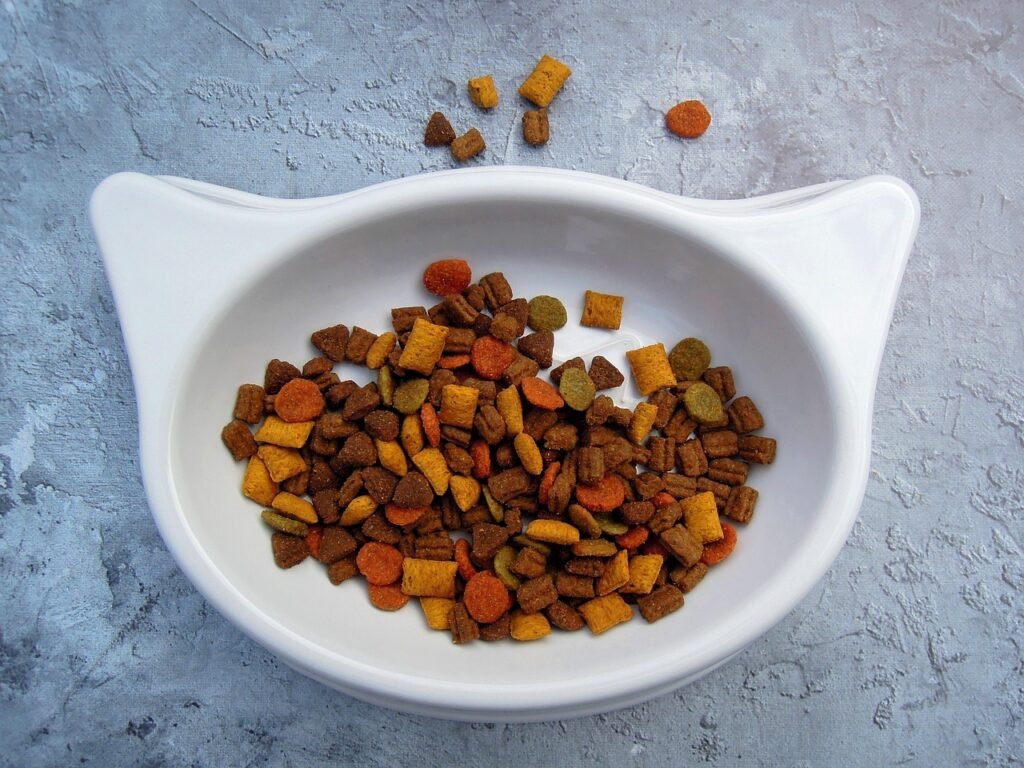
A staggering 75% of pet owners consider their pets to be part of the family, and as such, they want the best for them, including the best food. Unkibble, a term used to describe a group of pet foods that are made with whole, unprocessed ingredients, has been gaining popularity, but its rise has been accompanied by myths and misconceptions. For a beginner just discovering this topic, it can be overwhelming to sift through the information available. With over 1,000 brands of pet food on the market, choosing the right one can be daunting. Over 60% of pet owners rely on their veterinarians for advice on what to feed their pets. However, even among professionals, opinions on unkibble vary widely.
📝 Contents
Understanding Unkibble
Unkibble refers to a type of pet food that is made without the use of heavily processed ingredients, such as grains and fillers. Instead, unkibble is made with whole, named ingredients like chicken, salmon, and sweet potatoes. This approach to pet nutrition is based on the idea that pets, like humans, benefit from eating whole, unprocessed foods. The pet food industry has seen significant growth in recent years, with sales projected to exceed $30 billion by the end of 2023.
| Term | Plain-English Meaning |
|---|---|
| Unkibble | Pet food made with whole, unprocessed ingredients. |
| Kibble | Traditional pet food made with processed ingredients. |
| Grain-free | Pet food that does not contain grains like corn, wheat, or rice. |
| Limited ingredient diet | Pet food made with a limited number of ingredients to reduce the risk of food allergies. |
| Novel protein source | Protein sources like venison, duck, or salmon that are less common in pet food. |
| Rotational diet | A diet where the protein source is rotated regularly to reduce the risk of food allergies. |
Why Unkibble Matters
For pet owners like Sarah, who has a dog named Max with food allergies, unkibble has been a game-saver. Max was constantly scratching and had digestive issues until Sarah switched him to an unkibble diet. Now, Max is thriving, and Sarah is grateful for the improvement in his health. Stories like Sarah’s are common, with over 40% of pet owners reporting an improvement in their pet’s health after switching to an unkibble diet.
The benefits of unkibble are not limited to pets with food allergies. Many pet owners report an improvement in their pet’s overall health, including healthier coats, more energy, and fewer digestive issues. For example, a study conducted by the pet food company, Blue Buffalo, found that pets fed an unkibble diet had a 25% reduction in vet visits. With the average cost of a vet visit being over $50, this can result in significant savings for pet owners.
The impact of unkibble extends beyond the health of individual pets. The pet food industry is a significant contributor to greenhouse gas emissions, with some estimates suggesting that it is responsible for up to 25% of the environmental impact of the meat industry. Unkibble, which often uses sustainable and locally sourced ingredients, can help reduce this impact. For instance, the company, The Honest Kitchen, uses only sustainable and organic ingredients in their unkibble products, reducing their carbon footprint by over 50%.
Core Unkibble Approaches
1. Choose a High-Quality Protein Source
When it comes to unkibble, the protein source is a critical component. Look for novel protein sources like venison, duck, or salmon, which are less likely to cause food allergies. For example, the company, Orijen, uses fresh, regional ingredients, including free-run chicken and wild-caught fish, in their unkibble products. A beginner’s mistake is to choose a protein source that is too common, such as beef or chicken, which can increase the risk of food allergies.
To choose a high-quality protein source, research the company and their sourcing practices. Look for companies that use sustainable and locally sourced ingredients. Also, consider rotating the protein source regularly to reduce the risk of food allergies. A rotational diet can help keep the pet’s immune system strong and reduce the risk of food sensitivities.
- Why It Works:
- Reduced risk of food allergies
- Improved digestibility
- Increased nutritional value
2. Select Whole, Unprocessed Ingredients
Unkibble is all about using whole, unprocessed ingredients. Look for ingredients like sweet potatoes, carrots, and green beans, which provide essential nutrients and fiber. For instance, the company, Merrick, uses whole, unprocessed ingredients, including real meat and fresh produce, in their unkibble products. A common mistake is to choose ingredients that are too processed, such as fillers or by-products, which can reduce the nutritional value of the food.
To select whole, unprocessed ingredients, read the ingredient list carefully. Look for ingredients that are named, such as chicken or salmon, and avoid ingredients that are generic, such as meat or poultry. Also, consider the nutritional content of the ingredients and choose ingredients that are rich in nutrients and fiber.
- Why It Works:
- Improved nutritional value
- Increased digestibility
- Reduced risk of food allergies
3. Consider a Limited Ingredient Diet
A limited ingredient diet can be beneficial for pets with food allergies or sensitivities. By limiting the number of ingredients, the risk of an adverse reaction is reduced. For example, the company, Royal Canin, offers a range of limited ingredient diets that use a single protein source and a limited number of ingredients. A beginner’s mistake is to introduce too many new ingredients at once, which can increase the risk of an adverse reaction.
To consider a limited ingredient diet, consult with a veterinarian or a canine nutritionist. They can help determine the best course of action and recommend a limited ingredient diet that meets the pet’s nutritional needs. Also, monitor the pet’s health closely and adjust the diet as needed.
- Why It Works:
- Reduced risk of food allergies
- Improved digestibility
- Increased nutritional value
4. Rotate the Protein Source Regularly
Rotating the protein source regularly can help reduce the risk of food allergies and keep the pet’s immune system strong. For instance, the company, Taste of the Wild, offers a range of rotational diets that use different protein sources, such as venison, salmon, and duck. A common mistake is to stick to the same protein source for too long, which can increase the risk of food sensitivities.
To rotate the protein source regularly, choose a rotational diet that uses different protein sources. Also, consider rotating the protein source every 2-3 months to keep the pet’s immune system strong and reduce the risk of food allergies.
- Why It Works:
- Reduced risk of food allergies
- Improved digestibility
- Increased nutritional value
5. Add Supplements as Needed
Depending on the pet’s individual needs, supplements may be necessary to ensure they are getting all the nutrients they need. For example, the company, Nordic Naturals, offers a range of supplements, including omega-3 fatty acids and probiotics, that can help support the pet’s overall health. A beginner’s mistake is to over-supplement, which can lead to an imbalance of nutrients.
To add supplements as needed, consult with a veterinarian or a canine nutritionist. They can help determine the best course of action and recommend supplements that meet the pet’s nutritional needs. Also, monitor the pet’s health closely and adjust the supplements as needed.
- Why It Works:
- Improved nutritional value
- Increased digestibility
- Reduced risk of health problems
6. Consider a Raw or Cooked Diet
Some pet owners prefer a raw or cooked diet, which can provide additional nutritional benefits. For instance, the company, Primal, offers a range of raw and cooked diets that use whole, unprocessed ingredients. A common mistake is to choose a raw or cooked diet that is not properly balanced, which can lead to nutritional deficiencies.
To consider a raw or cooked diet, research the company and their products carefully. Look for companies that use whole, unprocessed ingredients and follow proper food safety guidelines. Also, consult with a veterinarian or a canine nutritionist to determine the best course of action.
- Why It Works:
- Improved nutritional value
- Increased digestibility
- Reduced risk of health problems
7. Monitor and Adjust
Finally, it’s essential to monitor the pet’s health closely and adjust the diet as needed. For example, if the pet is experiencing digestive issues, it may be necessary to adjust the diet or add supplements. A beginner’s mistake is to not monitor the pet’s health closely, which can lead to health problems.
To monitor and adjust, keep a close eye on the pet’s health and adjust the diet as needed. Also, consult with a veterinarian or a canine nutritionist regularly to ensure the pet is getting all the nutrients they need.
- Why It Works:
- Improved nutritional value
- Increased digestibility
- Reduced risk of health problems
| Step | What You Do | Expected Result |
|---|---|---|
| 1 | Choose a high-quality protein source | Reduced risk of food allergies |
| 2 | Select whole, unprocessed ingredients | Improved nutritional value |
| 3 | Consider a limited ingredient diet | Reduced risk of food allergies |
| 4 | Rotate the protein source regularly | Reduced risk of food allergies |
| 5 | Add supplements as needed | Improved nutritional value |
| 6 | Consider a raw or cooked diet | Improved nutritional value |
| 7 | Monitor and adjust | Improved nutritional value |
Frequently Asked Questions
What is Unkibble?
Unkibble refers to a type of pet food that is made with whole, unprocessed ingredients, such as chicken, salmon, and sweet potatoes. It is often used as an alternative to traditional kibble, which can be highly processed and contain fillers and by-products.
Is Unkibble Better Than Traditional Kibble?
While unkibble is not necessarily better than traditional kibble, it can offer several benefits, including improved nutritional value, increased digestibility, and reduced risk of food allergies. However, it’s essential to choose a high-quality unkibble that meets the pet’s nutritional needs.
Can I Make My Own Unkibble at Home?
While it’s possible to make your own unkibble at home, it’s crucial to ensure that the diet is properly balanced and meets the pet’s nutritional needs. It’s recommended to consult with a veterinarian or a canine nutritionist to determine the best course of action.
How Much Does Unkibble Cost?
The cost of unkibble can vary widely, depending on the quality of the ingredients, the brand, and the size of the pet. On average, unkibble can cost between $2 and $5 per pound, which is often more expensive than traditional kibble.
Is Unkibble Suitable for All Pets?
While unkibble can be beneficial for many pets, it may not be suitable for all pets, particularly those with certain health conditions or dietary restrictions. It’s essential to consult with a veterinarian or a canine nutritionist to determine the best diet for the pet.
The Big Picture
To wrap up, unkibble offers a unique approach to pet nutrition, with a focus on whole, unprocessed ingredients and reduced risk of food allergies. By following the core unkibble approaches, pet owners can provide their pets with a nutritious and balanced diet that meets their individual needs. With the pet food industry continuing to evolve, it’s essential for pet owners to stay informed and make the best choices for their pets’ health and well-being. The benefits of unkibble are clear, and with the right approach, pet owners can help their pets thrive. By choosing a high-quality unkibble and following a balanced diet, pet owners can give their pets the best possible start in life.