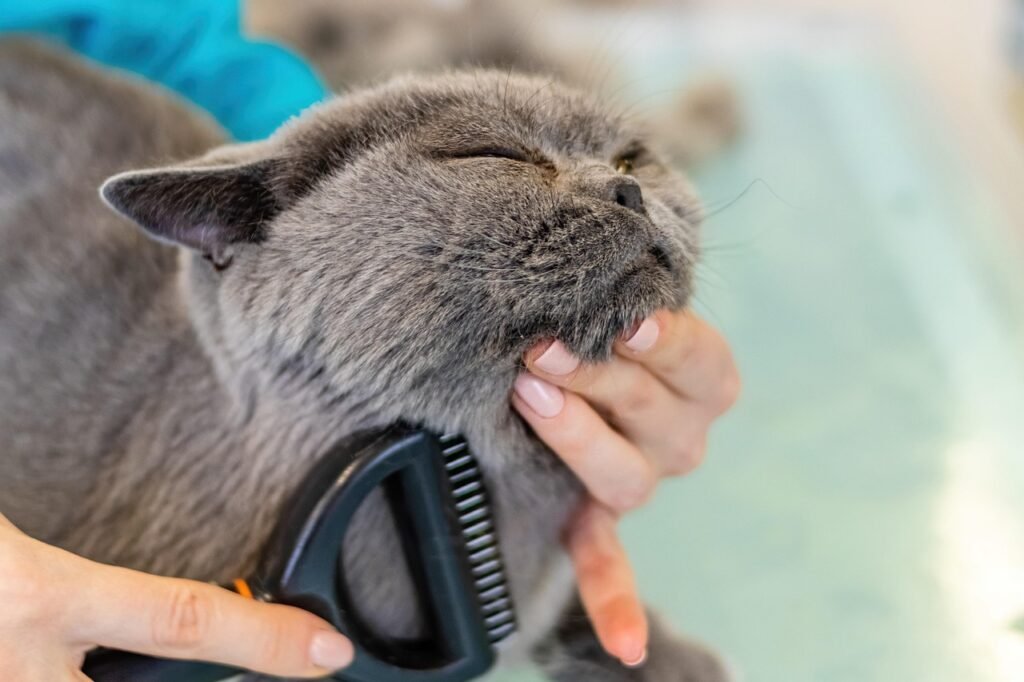
Introduction to Cat Grooming
Cat grooming is revolutionizing the way cat owners care for their pets, as it not only improves their appearance but also significantly enhances their health and wellbeing. Choosing the right approach to grooming matters because it directly affects the quality of life of your feline companion. Regular grooming helps in reducing shedding, preventing hairballs, and distributing skin oils to keep the coat healthy. Moreover, it strengthens the bond between the cat and the owner, providing an opportunity for inspection of any potential health issues early on. Here’s the key thing to understand: every cat is different, and what works for one may not work for another. Most people miss this, but understanding your cat’s unique needs and personality is crucial for effective grooming. Proper grooming can transform your cat’s life, making them healthier and happier.
📝 What's In This Article
Defining Cat Grooming
To embark on a successful cat grooming path, it’s essential to understand what cat grooming entails. Cat grooming is a comprehensive process that includes brushing, nail trimming, ear cleaning, and bathing, among other practices. Each of these activities plays a vital role in maintaining the overall health and hygiene of your cat. Before comparing different grooming techniques, it’s crucial to evaluate key metrics such as the cat’s age, health status, and coat type. These factors significantly influence the choice of grooming tools and methods.
A thorough understanding of these elements is vital because it allows cat owners to tailor their grooming approach to their cat’s specific needs. For instance, kittens and senior cats may require more gentle grooming techniques compared to adult cats. Similarly, cats with long hair need more frequent brushing to prevent matting and tangling. The following table highlights key metrics to consider when evaluating grooming needs:
| Metric | Description | Importance in Grooming |
|---|---|---|
| Age | Kitten, Adult, Senior | Determines gentleness and frequency of grooming |
| Health Status | Healthy, Ill, or Disabled | Influences the type of grooming tools and techniques used |
| Coat Type | Short, Long, Curly, Straight | Affects the choice of brushing tools and grooming frequency |
| Temperament | Calm, Nervous, Aggressive | Impacts the approach and patience required during grooming sessions |
Latest Cat Grooming Technologies
Brushing Tools
Brushing is a fundamental aspect of cat grooming, serving to remove loose hair, reduce shedding, and distribute skin oils. The latest brushing tools include slicker brushes, pin brushes, and grooming gloves. Each type of brush is designed for specific coat types and grooming needs.
- Advantages:
- Reduces shedding and hairballs
- Distributes skin oils for a healthy coat
- Strengthens the bond between cat and owner
- Drawbacks:
- Can be painful if done incorrectly or with the wrong tool
- Requires regular use to be effective
Best for: Daily grooming and coat maintenance.
Nail Trimming Tools
Nail trimming is a critical component of cat grooming, as overgrown nails can cause discomfort and health issues. The latest nail trimming tools include clippers, grinders, and nail files. These tools are designed to safely and effectively trim or grind down the nails to an appropriate length.
- Advantages:
- Prevents overgrowth and related health issues
- Can be done at home with the right tools and knowledge
- Improves the cat’s comfort and mobility
- Drawbacks:
- Requires caution to avoid cutting the quick
- Can be stressful for the cat if not done gently and carefully
Best for: Maintaining nail health and preventing overgrowth.
Ear Cleaning Solutions
Ear cleaning is an essential part of cat grooming, helping to prevent infections and maintain ear health. The latest ear cleaning solutions include ear cleaners, cotton balls, and ear wipes. These products are designed to gently remove dirt and wax without causing irritation.
- Advantages:
- Helps prevent ear infections and odors
- Easy to use and applies gently to the ears
- Contributes to overall ear health and hygiene
- Drawbacks:
- Must be used carefully to avoid pushing dirt further into the ear
- Not suitable for all types of ear infections or conditions
Best for: Routine ear cleaning and maintenance.
Bathing Products
Bathing is a less frequent but still important aspect of cat grooming, necessary for removing dirt and oils that brushing cannot. The latest bathing products include shampoos, conditioners, and drying towels. These products are formulated to clean and moisturize the coat without causing irritation.
- Advantages:
- Effective in removing dirt and oils from the coat
- Can help with skin conditions and allergies
- Leaves the coat clean and refreshed
- Drawbacks:
- Can be stressful for the cat if not done carefully and gently
- Requires thorough drying to prevent chilling and skin issues
Best for: Occasional deep cleaning of the coat.
Deshedding Tools
Deshedding tools are designed to remove loose and dead hair from the cat’s coat, reducing shedding and preventing hairballs. The latest deshedding tools include rakes, combs, and deshedding gloves. These tools are particularly useful for cats with long or thick coats.
- Advantages:
- Significantly reduces shedding and hairballs
- Helps prevent matting and tangling in long-haired cats
- Can be used as part of a regular grooming routine
- Drawbacks:
- May cause discomfort if used too aggressively
- Not suitable for all coat types, especially short-haired cats
Best for: Reducing shedding and hairballs in cats with thick or long coats.
| Option | Best For | Difficulty | Cost | Speed |
|---|---|---|---|---|
| Brushing Tools | Daily grooming and coat maintenance | Easy to Medium | Moderate | Fast |
| Nail Trimming Tools | Maintaining nail health | Medium to Hard | Low to Moderate | Slow |
| Ear Cleaning Solutions | Routine ear cleaning | Easy | Low | Fast |
| Bathing Products | Occasional deep cleaning | Medium to Hard | Moderate to High | Slow |
| Deshedding Tools | Reducing shedding and hairballs | Easy to Medium | Moderate | Medium |
How to Choose the Right One
Choosing the right cat grooming tool or method depends on several factors, including the cat’s age, health status, coat type, and temperament. Age is a critical factor because kittens, adult cats, and senior cats have different grooming needs. For instance, kittens may require more gentle grooming to get them accustomed to the process, while senior cats may need less frequent but more careful grooming due to potential health issues.
Health Status also plays a significant role in selecting grooming tools and methods. Cats with certain health conditions may require special care and specific products to avoid exacerbating their condition. For example, cats with skin allergies may need hypoallergenic shampoos, and cats with arthritis may need more gentle handling during grooming.
Coat Type is another essential consideration. Cats with long hair need regular brushing to prevent matting and tangling, while short-haired cats may require less frequent brushing but still benefit from regular grooming for coat health and shedding reduction. The choice of brushing tool, deshedding tool, or bathing product largely depends on the cat’s coat type and length.
Temperament is vital in determining the approach to grooming. Calm and cooperative cats may tolerate a wide range of grooming activities, while nervous or aggressive cats may require a more gentle, patient approach and possibly the use of pheromone products to reduce stress.
Understanding these factors and considering the specific needs of your cat will guide you in selecting the most appropriate grooming tools and techniques. It’s also beneficial to consult with a veterinarian for personalized advice, especially if your cat has specific health needs or you are unsure about the best approach to grooming.
Real-World Benefits
One of the most significant benefits of proper cat grooming is the reduction in shedding and hairballs. Regular brushing and the use of deshedding tools can significantly minimize the amount of loose hair, making your home cleaner and reducing the risk of hairballs in your cat.
Another benefit is the early detection of health issues. Through regular grooming, you can inspect your cat’s body for any signs of illness or injury, such as skin irritations, lumps, or wounds, allowing for early intervention and potentially improving outcomes.
Proper grooming also contributes to a healthier coat. By distributing skin oils and removing dirt and debris, grooming helps maintain the coat’s natural shine and health, reducing the risk of skin conditions and improving your cat’s overall appearance.
Grooming strengthens the bond between you and your cat. The physical contact and attention during grooming sessions can deepen your relationship, making your cat more trusting and affectionate towards you.
Regular grooming can reduce stress in cats. Gentle, regular grooming can be calming and soothing, helping to reduce anxiety and stress in cats, especially those that are nervous or high-strung.
Lastly, grooming can help improve your cat’s hygiene and cleanliness. Regular cleaning of the ears, eyes, and coat helps prevent infections and keeps your cat feeling fresh and clean, which is essential for their overall comfort and health.
To Sum Up
Cat grooming is a multifaceted process that encompasses a range of activities from brushing and nail trimming to ear cleaning and bathing. Each aspect of grooming is crucial for maintaining the cat’s health, hygiene, and overall wellbeing. By understanding the key metrics such as age, health status, coat type, and temperament, cat owners can tailor their grooming approach to meet their cat’s specific needs. With the right tools, techniques, and patience, cat grooming can be a rewarding experience for both the cat and the owner, leading to a stronger, healthier bond and a happier, healthier cat.
The decision framework for choosing the right grooming tools and methods involves considering these factors and the specific benefits each tool or method offers. Whether it’s reducing shedding, preventing health issues, or simply strengthening the bond between cat and owner, the right approach to grooming can make a significant difference in the quality of life of your feline companion.
To wrap up, cat grooming is not just about cleanliness; it’s about enhancing the cat’s quality of life and the owner’s relationship with their pet. With patience, the right techniques, and a understanding of your cat’s unique needs, you can ensure your cat stays happy, healthy, and well-groomed.