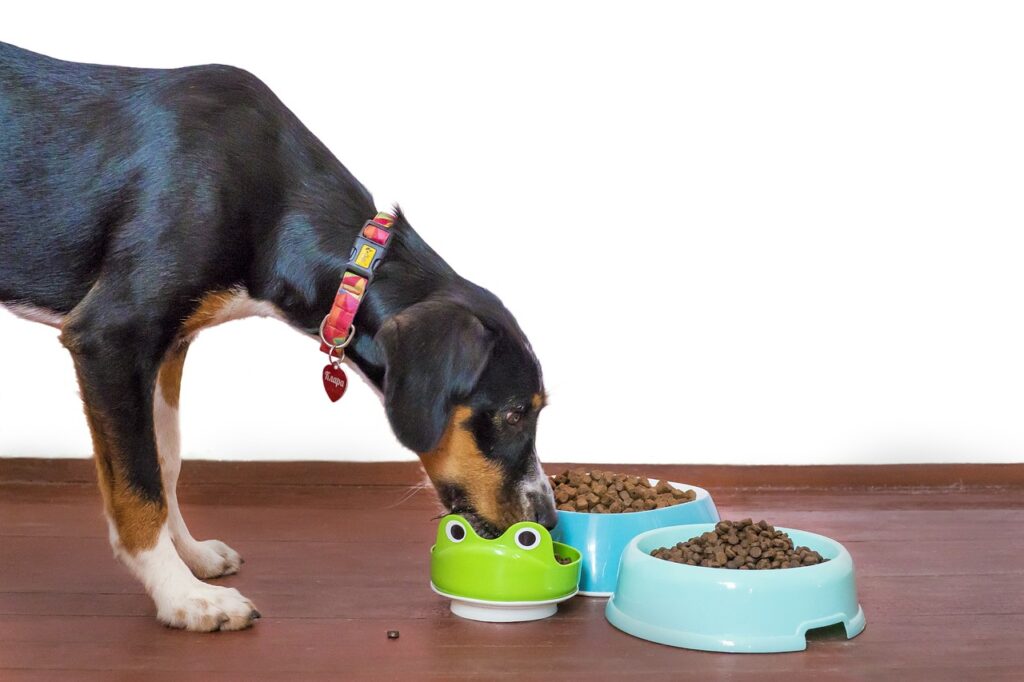
Many new dog owners assume that all puppy food is created equal, but this couldn’t be further from the truth. With so many options on the market, it can be overwhelming to decide which food is best for a new puppy. Here’s the key thing to understand: not all puppy food is suitable for every breed, size, or age of puppy. Most people miss this crucial point, leading to potential health issues down the line. As a responsible dog owner, it’s essential to separate fact from fiction when it comes to puppy nutrition. Choosing the right food can significantly impact a puppy’s growth, development, and overall health.
📝 Quick Navigation
A Closer Look at Puppy Nutrition
Puppy nutrition refers to the specific dietary needs of dogs during their early stages of life, typically from birth to one year of age. During this period, puppies require a unique balance of nutrients to support their rapid growth and development. A plain-language definition of puppy nutrition is the study of the dietary requirements of puppies to ensure they receive the necessary nutrients for optimal health and wellbeing. The following table explains key terms related to puppy nutrition:
| Term | Plain-English Meaning |
|---|---|
| Kibble | Dry dog food made from a mix of ingredients, including grains, proteins, and vitamins. |
| Protein sources | Ingredients like chicken, beef, or fish that provide essential amino acids for growth and development. |
| Grain-free | Dog food that does not contain grains like wheat, corn, or soy, often recommended for puppies with allergies or sensitivities. |
| Large breed puppy food | Specialized dog food designed for puppies of larger breeds, focusing on controlled growth to prevent joint issues. |
| Small breed puppy food | Formulated for puppies of smaller breeds, typically higher in calories and nutrients to support rapid growth. |
| AAFCO | Association of American Feed Control Officials, which sets standards for the nutritional content of dog food. |
Why Best Dog Food for Puppies (Myths Debunked) Matters
Understanding the realities of puppy nutrition can significantly impact a puppy’s health and wellbeing. For instance, a puppy fed a high-quality, nutrient-rich diet can expect to have a stronger immune system, healthier skin and coat, and better digestion. In contrast, a puppy fed low-quality food may experience a range of issues, from digestive problems to impaired growth and development. According to veterinary experts, feeding puppies the right food can reduce the risk of certain health issues, such as hip dysplasia in large breeds, by up to 30%.
Moreover, choosing the right puppy food can also affect the puppy’s energy levels and behavior. A well-nourished puppy is more likely to be energetic, playful, and curious, making for a happier and healthier pet. For example, a study found that puppies fed a diet rich in omega-3 fatty acids had improved cognitive function and were less likely to develop behavioral problems. On the other hand, puppies fed a diet lacking essential nutrients may become lethargic, withdrawn, or even aggressive.
In addition to the direct benefits to the puppy, choosing the right food can also impact the owner’s experience. Feeding a high-quality puppy food can reduce the risk of costly vet bills and minimize the stress associated with caring for a sick puppy. With so much at stake, it’s essential for dog owners to separate myths from facts when it comes to puppy nutrition. By doing so, they can make informed decisions that support their puppy’s optimal health and wellbeing.
Leading Puppy Nutrition Solutions
1. Determine Your Puppy’s Life Stage
Determining your puppy’s life stage is crucial in selecting the right food, as nutritional needs vary significantly during different stages of growth. For instance, puppies under three months require a more nutrient-dense diet than those over six months. To determine your puppy’s life stage, consult with your veterinarian, who can assess your puppy’s age, size, and breed to recommend the most suitable food.
Using this information, you can then choose a puppy food formulated specifically for your puppy’s life stage. Most puppy foods are labeled as ‘puppy’ or ‘large breed puppy,’ but it’s essential to read the label carefully to ensure it meets your puppy’s unique needs. A common beginner mistake is assuming all puppy food is the same, leading to potential nutritional deficiencies.
- Why It Works:
- Supports optimal growth and development
- Reduces the risk of nutritional deficiencies
2. Choose the Right Protein Sources
Choosing the right protein sources is vital for a puppy’s growth and development. High-quality protein sources like chicken, salmon, or lamb provide essential amino acids that support muscle growth and repair. When selecting a puppy food, look for named protein sources, such as ‘chicken’ or ‘beef,’ rather than generic terms like ‘meat’ or ‘by-products.’
To use this information effectively, read the ingredient list carefully and avoid foods with low-quality protein sources. A common mistake is assuming that all protein sources are equal, which can lead to nutritional imbalances. By choosing a puppy food with high-quality protein sources, you can support your puppy’s optimal growth and development.
- Why It Works:
- Supports muscle growth and repair
- Provides essential amino acids for overall health
3. Consider Grain-Free or Limited Ingredient Diets
Grain-free or limited ingredient diets can be beneficial for puppies with allergies or sensitivities. These diets often feature novel protein sources, such as venison or duck, and avoid common allergens like beef or dairy. If your puppy experiences skin issues, digestive problems, or ear infections, a grain-free or limited ingredient diet may be worth considering.
When using these diets, it’s essential to monitor your puppy’s response and adjust as needed. A common beginner mistake is assuming that all grain-free diets are created equal, which can lead to nutritional deficiencies if not properly formulated. By choosing a well-formulated grain-free or limited ingredient diet, you can help alleviate your puppy’s allergy symptoms and support their overall health.
- Why It Works:
- Reduces the risk of allergic reactions
- Supports digestive health and wellbeing
4. Look for AAFCO Compliance
AAFCO compliance is a guarantee that the puppy food meets specific nutritional standards. When selecting a puppy food, look for the AAFCO statement on the label, which indicates that the food has been formulated to meet the nutritional levels established by AAFCO. Using this information, you can trust that your puppy is receiving a well-balanced diet that supports their optimal health.
A common mistake is assuming that all puppy foods are AAFCO compliant, which can lead to nutritional deficiencies if not properly formulated. By choosing an AAFCO-compliant puppy food, you can ensure that your puppy is receiving the necessary nutrients for growth and development.
- Why It Works:
- Ensures the food meets nutritional standards
- Supports optimal growth and development
5. Consult with Your Veterinarian
Consulting with your veterinarian is crucial in determining the best puppy food for your pet. Your veterinarian can assess your puppy’s age, size, breed, and health status to recommend a puppy food that meets their unique needs. When consulting with your veterinarian, be sure to ask about their experience with different puppy foods and their recommendations for your puppy’s specific needs.
Using this information, you can then choose a puppy food that is tailored to your puppy’s individual requirements. A common beginner mistake is not consulting with a veterinarian, leading to potential nutritional imbalances or health issues. By working with your veterinarian, you can ensure that your puppy is receiving the best possible nutrition for optimal health and wellbeing.
- Why It Works:
- Provides personalized recommendations
- Supports optimal health and wellbeing
6. Monitor Your Puppy’s Response
Monitoring your puppy’s response to their food is essential in ensuring they are receiving the necessary nutrients for optimal health. Keep an eye on your puppy’s energy levels, coat condition, and stool quality, as these can be indicators of their overall health. If you notice any adverse reactions or health issues, consult with your veterinarian to adjust your puppy’s diet as needed.
When monitoring your puppy’s response, it’s essential to keep a record of their food intake, weight, and overall health. A common mistake is not monitoring your puppy’s response closely enough, leading to potential health issues if not addressed promptly. By keeping a close eye on your puppy’s response, you can make adjustments to their diet and ensure they are receiving the best possible nutrition.
- Why It Works:
- Supports optimal health and wellbeing
- Helps identify potential health issues early
7. Stay Informed and Adjust as Needed
Staying informed about the latest developments in puppy nutrition is crucial in ensuring your puppy receives the best possible care. As new research emerges, puppy food formulations may change, and it’s essential to stay up-to-date on these changes. When new information becomes available, consult with your veterinarian to determine if any adjustments need to be made to your puppy’s diet.
A common beginner mistake is not staying informed, leading to potential nutritional deficiencies or health issues if not addressed promptly. By staying informed and adjusting your puppy’s diet as needed, you can ensure they are receiving the best possible nutrition for optimal health and wellbeing.
- Why It Works:
- Supports optimal health and wellbeing
- Helps identify potential health issues early
| Step | What You Do | Expected Result |
|---|---|---|
| 1. Determine Your Puppy’s Life Stage | Consult with your veterinarian to determine your puppy’s life stage and choose a food formulated for that stage. | Supports optimal growth and development. |
| 2. Choose the Right Protein Sources | Select a puppy food with high-quality protein sources, such as chicken or salmon. | Supports muscle growth and repair. |
| 3. Consider Grain-Free or Limited Ingredient Diets | Choose a grain-free or limited ingredient diet if your puppy has allergies or sensitivities. | Reduces the risk of allergic reactions. |
| 4. Look for AAFCO Compliance | Ensure the puppy food meets AAFCO nutritional standards. | Ensures the food meets nutritional standards. |
| 5. Consult with Your Veterinarian | Consult with your veterinarian to determine the best puppy food for your pet. | Provides personalized recommendations. |
| 6. Monitor Your Puppy’s Response | Monitor your puppy’s response to their food and adjust as needed. | Supports optimal health and wellbeing. |
| 7. Stay Informed and Adjust as Needed | Stay informed about the latest developments in puppy nutrition and adjust your puppy’s diet as needed. | Supports optimal health and wellbeing. |
Frequently Asked Questions
What is the best puppy food for my breed?
The best puppy food for your breed depends on various factors, including your puppy’s age, size, and health status. Consult with your veterinarian to determine the best puppy food for your breed. They can assess your puppy’s individual needs and recommend a food that is tailored to their specific requirements.
Can I feed my puppy adult dog food?
No, it’s not recommended to feed your puppy adult dog food. Puppy food is formulated to meet the unique nutritional needs of puppies, and adult dog food may not provide the necessary nutrients for growth and development. Feeding your puppy adult dog food can lead to nutritional deficiencies and potential health issues.
How often should I feed my puppy?
The frequency of feeding your puppy depends on their age and size. Generally, puppies under six months require three to four meals per day, while puppies over six months can be fed twice a day. Consult with your veterinarian to determine the best feeding schedule for your puppy.
Can I make my own puppy food?
While it’s possible to make your own puppy food, it’s not recommended. Homemade diets can be deficient in essential nutrients, and it’s challenging to ensure that your puppy is receiving a balanced diet. Commercial puppy foods are formulated to meet the nutritional needs of puppies, and it’s best to stick with a high-quality commercial food.
How do I transition my puppy to a new food?
When transitioning your puppy to a new food, it’s essential to do so gradually to prevent digestive upset. Start by mixing a small amount of the new food with the old food and gradually increase the proportion of new food over several days. Consult with your veterinarian for specific guidance on transitioning your puppy to a new food.
Wrapping Up
Choosing the best dog food for puppies requires careful consideration of their unique nutritional needs. By following the steps outlined Here and consulting with your veterinarian, you can ensure that your puppy is receiving the best possible nutrition for optimal health and wellbeing. Remember, every puppy is different, and what works for one puppy may not work for another. Stay informed, monitor your puppy’s response, and adjust their diet as needed to support their optimal growth and development.
With the right nutrition, your puppy can thrive and grow into a happy, healthy adult dog. Don’t underestimate the importance of choosing the right puppy food – it’s a critical decision that can have a lasting impact on your puppy’s life. By taking the time to research and understand your puppy’s nutritional needs, you can give them the best possible start in life.
By prioritizing your puppy’s nutrition and making informed decisions about their diet, you can help them grow into a strong, healthy, and loving companion. Whether you’re a seasoned dog owner or a newcomer to the world of puppies, the information Here can help you make the best choices for your furry friend.