Are French Bulldog Owners Struggling With Everyday Frustrations?
Do you ever feel like your French bulldog is a tiny tornado of snorts, skin folds, and stubbornness that leaves you exhausted? Many owners face the same cycle: a cute, affectionate companion that suddenly becomes a source of constant worry about health, behavior, and grooming. The frustration builds when simple tasks like a short walk turn into a battle with a short‑snouted (brachycephalic) breathing pattern, or when a seemingly harmless skin fold becomes a breeding ground for infection. This article unpacks those pain points and delivers quick, actionable wins that turn the chaos into calm.
📝 What You'll Learn
Common Challenges With French Bulldogs (quick wins)
1. Breathing Difficulties in Warm Weather
French bulldogs often struggle to breathe comfortably when temperatures rise, leading to panting, lethargy, and sometimes panic. This happens because they have a short skull (brachycephalic) that restricts airflow, making heat dissipation harder than in longer‑snouted breeds.
2. Skin Fold Infections
The deep wrinkles (skin folds) on a French bulldog’s face and body can trap moisture, dirt, and bacteria, resulting in painful infections. The folds create a humid micro‑environment where microbes thrive, especially if not cleaned regularly.
3. Stubborn Training Responses
Despite their intelligence, French bulldogs can be notoriously stubborn, ignoring commands and testing boundaries. This behavior stems from a strong-willed personality combined with a desire for attention, which can be misinterpreted as disobedience.
4. Overweight Tendencies
These compact dogs love food and have a slower metabolism, so they can easily gain excess weight. Extra pounds put additional strain on their already compromised respiratory system and joints.
5. Excessive Drooling and Saliva Stains
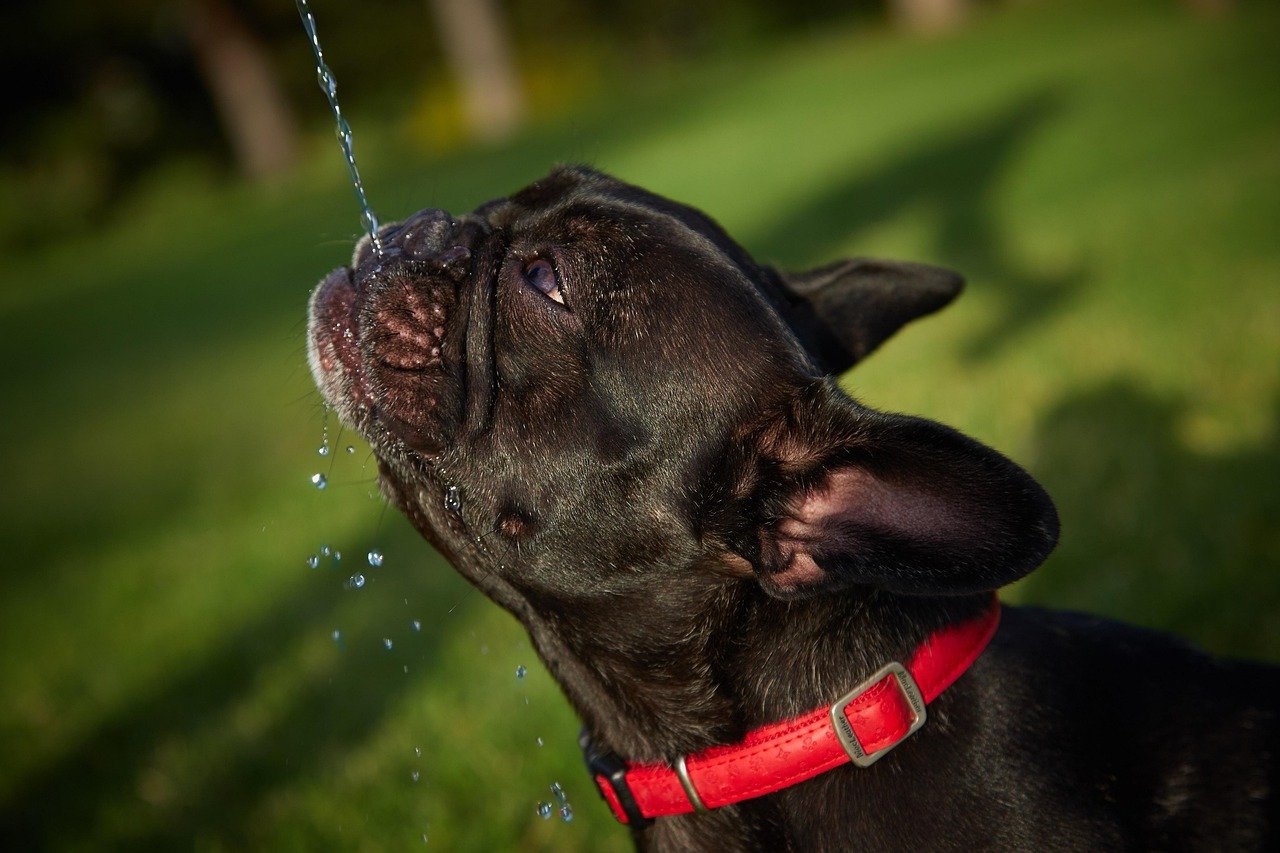
French bulldogs often drool, especially after drinking or when excited, leaving wet spots on furniture and clothing. The drooling is a natural response to their oral anatomy, but it can become a nuisance if not managed.
Leading French Bulldog Solutions
1. Create a Cool Environment
Invest in a portable, low‑noise fan and place it near your dog’s favorite resting spot. Keep indoor temperatures between 68‑72°F (20‑22°C) and avoid direct sunlight during peak hours. Offer fresh, cool water several times a day, and consider adding a few ice cubes to encourage drinking. Limit walks to early mornings or late evenings when the air is cooler, and keep sessions short—no more than 15‑20 minutes on hot days.
- Strengths:
- Reduces heat‑related breathing strain.
- Improves overall comfort and energy levels.
- Prevents emergency vet visits due to heatstroke.
2. Daily Fold Cleaning Routine
Use a soft, damp cloth or a hypoallergenic baby wipe to gently clean each fold twice daily. After cleaning, pat the area dry with a clean towel to eliminate moisture. Apply a thin layer of a vet‑approved barrier cream to protect skin from friction and bacterial growth. Rotate the cleaning schedule so that you never miss a fold, especially around the muzzle and neck.
- Strengths:
- Prevents infections before they start.
- Maintains healthy skin texture.
- Reduces vet costs for treating dermatitis.
3. Positive Reinforcement Training
Start each training session with a high‑value treat—something your French bulldog loves, like small pieces of cooked chicken. Use a clicker or a consistent verbal cue to mark the exact moment the desired behavior occurs. Keep sessions brief (5‑7 minutes) and end on a positive note to maintain enthusiasm. Gradually increase distractions only after the dog reliably performs the command in a quiet environment.
- Strengths:
- Builds trust and motivation.
- Creates reliable obedience without harsh corrections.
- Strengthens the human‑dog bond.
4. Portion‑Controlled Feeding
Measure your dog’s daily calorie intake using a kitchen scale or a calibrated measuring cup. Choose a high‑protein, low‑carbohydrate diet formulated for brachycephalic breeds. Divide meals into two smaller portions served at consistent times to avoid grazing. Incorporate low‑calorie vegetables like steamed carrots or green beans as occasional snacks.
- Strengths:
- Helps maintain an ideal weight.
- Reduces strain on breathing and joints.
- Improves longevity and quality of life.
5. Manage Drooling With a Water Bowl Placement
Place a shallow water bowl on a non‑slip mat to catch excess saliva and prevent spills. Teach the dog to drink slowly by adding a small ice cube, which encourages gentle sipping. Wipe the dog’s mouth after meals and play sessions using a dry cloth. Keep a set of absorbent towels nearby for quick clean‑ups.
- Strengths:
- Minimizes mess on furniture.
- Keeps the dog’s mouth cleaner.
- Reduces the risk of skin irritation from constant moisture.
6. Regular Low‑Impact Exercise
Schedule short, structured playtimes using indoor toys like soft balls or puzzle feeders that stimulate both mind and body. Take brief leash walks on flat, shaded paths, focusing on steady pacing rather than speed. Incorporate gentle stair climbing (one or two steps) to strengthen leg muscles without overexertion. End each session with a calming massage to relax muscles and improve circulation.
- Strengths:
- Maintains muscle tone without stressing joints.
- Supports healthy weight management.
- Boosts mental stimulation and reduces boredom.
| Approach | Old Way | Better Way | Result |
|---|---|---|---|
| Heat Management | Uncontrolled indoor temperature, long midday walks. | Cool environment, timed walks, hydration strategy. | Reduced breathing distress, fewer heat‑related emergencies. |
| Skin Care | Infrequent cleaning, no barrier protection. | Twice‑daily gentle cleaning, barrier cream. | Fewer infections, healthier skin. |
| Training | Punishment‑based, long sessions. | Positive reinforcement, short focused sessions. | Better obedience, stronger bond. |
| Weight Control | Free‑feeding, high‑carb diet. | Portion‑controlled, high‑protein meals. | Optimal body condition, less strain on breathing. |
| Drooling Management | No designated water area, random wiping. | Shallow bowl on mat, post‑meal mouth wipe. | Cleaner home environment, happier owner. |
How This Affects Everyday Life
Emily noticed her French bulldog, Bruno, no longer wheezed during evening walks after she implemented the cool‑environment strategy, allowing them both to enjoy longer strolls without panic. Mark’s bulldog, Daisy, stopped developing recurring skin fold infections after he started the twice‑daily cleaning routine, saving him hundreds of dollars in veterinary bills. Laura reported that her dog, Max, now obeys basic commands like “sit” and “stay” within seconds, thanks to the positive reinforcement method, making trips to the park smoother for everyone. Jason’s bulldog, Bella, shed excess pounds after switching to measured portions and a high‑protein diet, resulting in a noticeable increase in energy and playfulness. Finally, Sarah’s home stayed spotless because she placed a shallow water bowl on a mat and wiped Bella’s mouth after meals, eliminating the constant drool stains that once covered her kitchen floor.
Step-by-Step Action Plan
- Assess your home’s temperature and add a fan or AC unit if needed—maintaining a cool environment prevents breathing issues.
- Purchase soft cloths or hypoallergenic wipes for daily fold cleaning—regular hygiene stops infections before they start.
- Choose a high‑value treat and a clicker to begin short, positive‑reinforcement training sessions—this builds reliable obedience.
- Weigh your dog’s food and set a daily calorie target—controlled portions keep weight in check.
- Place a shallow water bowl on a non‑slip mat and keep a dry cloth nearby for mouth wipes—manages drooling efficiently.
- Schedule two 10‑minute walks during cooler parts of the day and add indoor puzzle toys for mental stimulation—balances exercise with safety.
- Log daily observations in a simple notebook: temperature, breathing, skin condition, weight, and drool incidents—to track progress and adjust as needed.
Worth Remembering
Quick wins for French bulldogs are built on consistency, gentle care, and understanding of the breed’s unique anatomy. Small daily actions compound into big health benefits, turning frustration into confidence. By applying these practical steps, owners create a happier, healthier environment for their beloved companions, paving the way for many joyful years together.