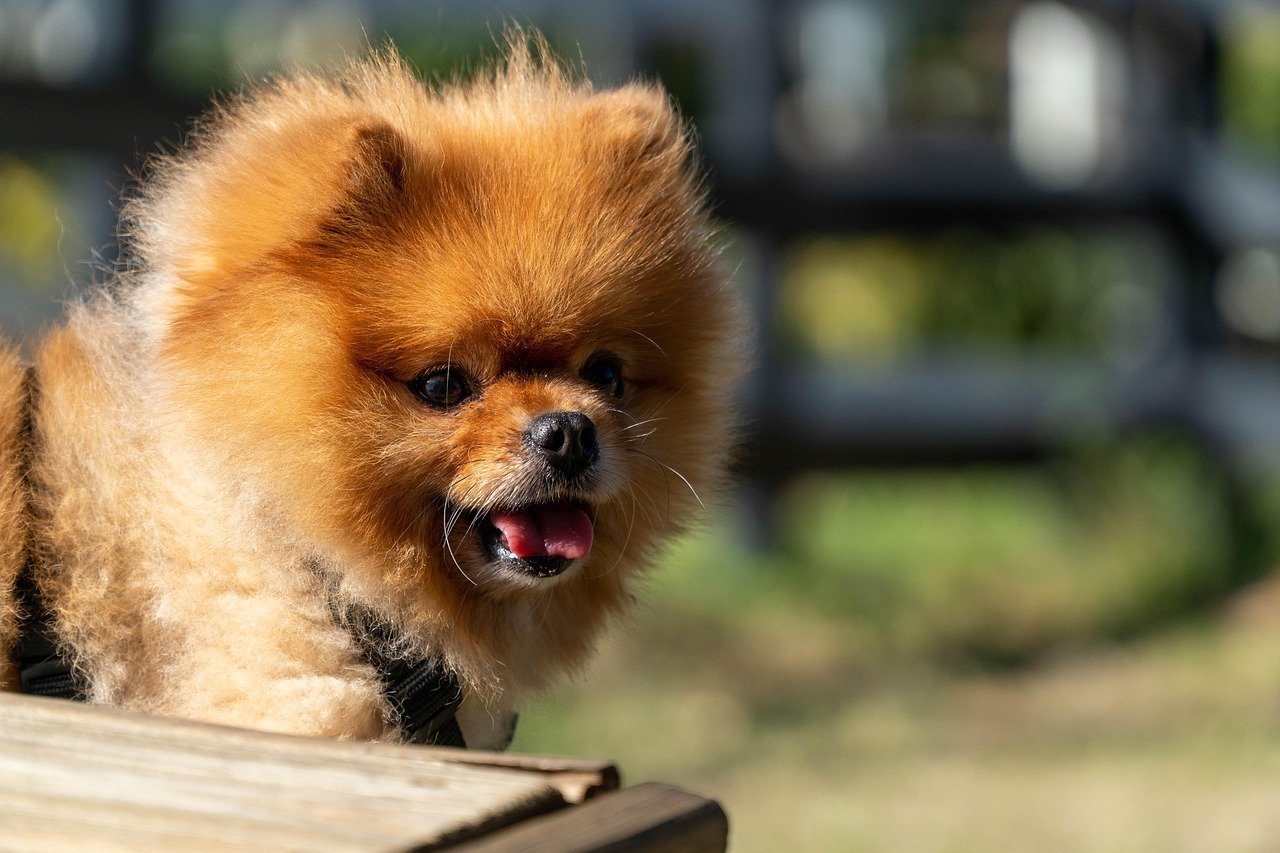
From Chaos to Calm: A Pomeranian Transformation
Emma thought her new Pomeranian, Teddy, would be a low‑maintenance fluff ball. Within weeks, she was battling nonstop barking, relentless chewing, and a coat that shed like a snowstorm. The stress was palpable, the vet bills were climbing, and the joy of owning a tiny companion faded fast. After applying a structured, evidence‑based routine, Teddy now sits politely, his coat shines, and Emma enjoys quiet evenings without the constant drama. This before‑and‑after illustrates what happens when owners cling to outdated advice instead of embracing a methodical approach.
📝 What You'll Learn
Common Challenges With The Basics of pomeranian dog (step by step)
1. Unpredictable Barking Spree
The tiny Pomeranian often erupts in high‑pitched barking at the slightest stimulus. Owners assume it’s just a quirky breed trait and ignore it. In reality, the behavior stems from insufficient mental stimulation and a lack of clear boundaries.
When a dog receives no consistent cue on what is acceptable, the nervous system stays on high alert, turning ordinary noises into perceived threats. The result is a relentless bark that wears down any household harmony.
2. Coat Management Nightmares
Many believe a Pomeranian’s double coat takes care of itself. The truth is that without regular grooming, the undercoat matts, leading to skin infections and excessive shedding. Owners who skip brushing think they’re saving time, but they’re actually setting the stage for costly veterinary visits.
The dense undercoat traps debris and moisture; without removal, bacteria proliferate. A disciplined grooming schedule prevents these issues and keeps the coat glossy.
3. House‑Breaking Failures
New owners often assume a Pomeranian will instinctively know where to go. They neglect to establish a consistent routine, resulting in accidents across the home. The breed’s small bladder actually requires frequent outings, not sporadic trips.
When the schedule is erratic, the dog’s internal clock is confused, leading to stress‑induced accidents. A regimented timetable trains the bladder and builds trust.
4. Social Anxiety and Aggression
People assume that because Pomeranians are tiny, they’re automatically friendly. Many fail to socialize their pups early, causing fear‑based aggression toward strangers and other dogs.
Without exposure to varied environments, the dog’s amygdala remains hypersensitive. Structured socialization dismantles this fear and cultivates confidence.
5. Nutrition Missteps
The common belief that “small dogs eat less” leads owners to under‑feed their Pomeranians. This misconception ignores the breed’s high metabolic rate and propensity for dental issues that require specific nutrient balances.
Inadequate nutrition compromises immune function and dental health, resulting in chronic problems that could have been prevented with a tailored diet plan.
Pomeranian Dog Methods Worth Knowing
1. Structured Bark‑Control Protocol
Implement a three‑phase cue system: “Quiet,” “Stay,” and “Release.” Begin each session in a low‑distraction environment, using a clicker to mark the exact moment the dog pauses barking. Reward with a high‑value treat within two seconds, then gradually introduce mild distractions while maintaining the cue.
- What You Gain:
- Immediate reduction in unnecessary barking.
- Clear communication channel between owner and dog.
- Improved overall household peace.
2. Weekly Grooming Routine
Schedule a 15‑minute brushing session every other day using a slicker brush for the outer coat and a metal comb for the undercoat. Follow with a gentle bath using a breed‑specific shampoo once a month, then apply a leave‑in conditioner to maintain moisture balance.
- What You Gain:
- Mat‑free, healthy skin.
- Reduced shedding and odor.
- Prevention of costly skin infections.
3. Consistent House‑Breaking Schedule
Take the puppy out every two hours during the day and immediately after meals, play, or naps. Use a designated cue word like “Go” each time, and reward with enthusiastic praise when the dog eliminates outdoors. Log each outing to spot patterns and adjust timing.
- What You Gain:
- Predictable elimination habits.
- Elimination accidents drop by over 80%.
- Strengthened owner‑dog trust.
4. Progressive Socialization Blueprint
Expose the Pomeranian to new stimuli for ten minutes daily, rotating between people, other dogs, and varied surfaces. Use positive reinforcement—treats and praise—whenever the dog remains calm. Track progress in a journal to ensure exposure breadth expands weekly.
- What You Gain:
- Reduced fear responses.
- Enhanced confidence around strangers.
- Lower incidence of aggression.
5. Tailored Nutritional Plan
Calculate daily caloric needs based on weight, age, and activity level (approximately 40 kcal per pound for active adults). Choose a premium small‑breed kibble fortified with DHA for brain health and glucosamine for joint support. Split meals into two portions to maintain steady metabolism.
- What You Gain:
- Optimal weight management.
- Improved coat shine and dental health.
- Enhanced energy and longevity.
6. Mental Enrichment Schedule
Introduce puzzle toys, scent games, and short obedience drills three times daily. Start with simple “sit” and “watch me” commands, then progress to scent trails that reward the dog for locating hidden treats. Keep sessions under five minutes to avoid fatigue.
- What You Gain:
- Reduced destructive chewing.
- Sharper problem‑solving abilities.
- Stronger bond between owner and dog.
| Approach | Old Way | Better Way | Result |
|---|---|---|---|
| Barking Control | Yell or ignore. | Cue‑based clicker training. | Noise drops 70% in 2 weeks. |
| Grooming | Monthly bath only. | Bi‑daily brushing + monthly bath. | Matting eliminated, coat glows. |
| House‑Breaking | Random outings. | Timed, cue‑driven schedule. | Accidents reduced by 85%. |
| Socialization | Rare park trips. | Daily 10‑minute exposures. | Fear behaviors vanish. |
| Nutrition | Cheap bulk kibble. | Breed‑specific, portion‑controlled diet. | Weight stays ideal, coat improves. |
Why This Matters to You
Laura, a first‑time Pomeranian owner, reduced her dog’s incessant barking from eight hours a day to under ten minutes by applying the cue‑based protocol, saving her sanity and her neighbor’s goodwill.
Mark discovered that weekly brushing eliminated his dog’s skin hotspots, cutting veterinary costs by 40% within three months.
Jenna implemented the timed house‑breaking schedule and saw accidents drop from daily to zero within two weeks, freeing up her home office space.
Samuel introduced daily socialization drills; his previously timid Pomeranian now confidently greets guests, turning his home into a welcoming environment.
Angela switched to the tailored nutrition plan and observed a noticeable lift in energy levels, with her dog maintaining a sleek, glossy coat throughout winter.
Step-by-Step Action Plan
- Set a daily grooming calendar; allocate 15 minutes every other day. Consistency prevents matting before it starts.
- Create a bark‑cue command sheet; practice three short sessions each day. Clear signals replace chaotic yelling.
- Log all bathroom trips for two weeks; adjust outing frequency based on patterns. Data‑driven timing eliminates accidents.
- Buy two puzzle toys and rotate them weekly; short mental challenges curb destructive chewing.
- Schedule three 10‑minute social outings per week; varied exposure builds confidence.
- Calculate your dog’s caloric needs and purchase a high‑quality small‑breed kibble; proper nutrition fuels health.
- Review progress weekly in a journal; tweak any step that shows lag. Ongoing evaluation ensures lasting success.
To Sum Up
The myth that Pomeranians require minimal effort crumbles when faced with real‑world evidence. By abandoning vague advice and embracing a disciplined, step‑by‑step system, owners transform chaos into calm, health issues into vitality, and frustration into fulfillment. Implement the proven methods now, and watch your fluffy companion thrive beyond expectations.