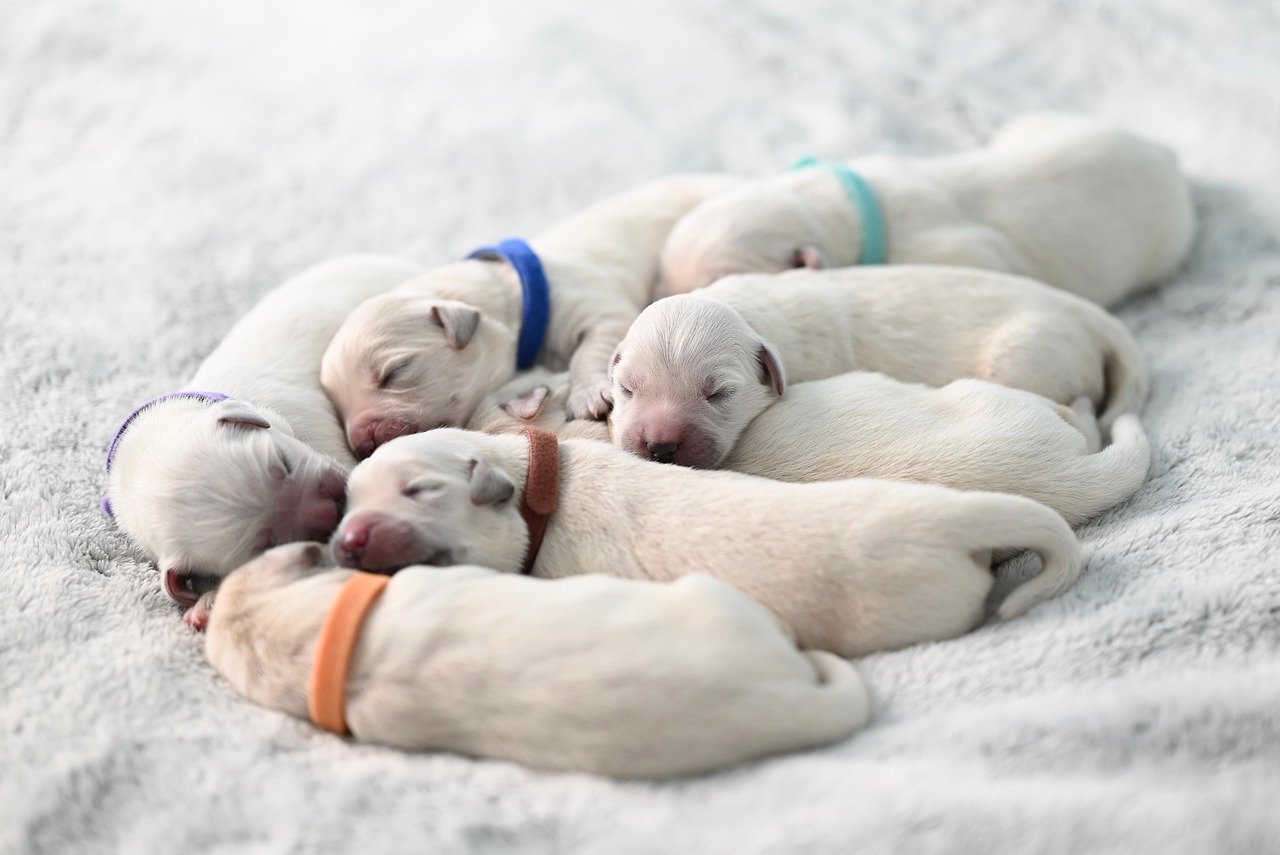
Challenging the Assumption: Golden Retrievers Grow Up Perfectly Behaved
Many new owners assume that golden retriever puppies will naturally grow into the calm, obedient dogs they see in movies. In reality, the first few months are riddled with frustrating behaviors that can test even the most patient caregiver. From relentless chewing to unexpected aggression, these issues often catch owners off guard, leading to stress and confusion. Here’s the key thing to understand: without targeted strategies, these early problems can solidify into long‑term habits.
📝 Quick Navigation
Common Challenges With The Basics of golden retriever puppies (case study)
1. Excessive Chewing and Destruction
Golden retriever puppies love to explore the world with their mouths, often turning furniture, shoes, and cords into chew toys. This behavior can quickly become destructive, especially when left unsupervised.
The root cause is a combination of teething discomfort and an innate desire for oral stimulation. When puppies lack appropriate chew outlets, they redirect their energy toward household items.
2. Uncontrolled Barking and Vocalization
Sudden bouts of barking can startle owners, especially during quiet evenings. The noise may seem random, but it often signals underlying anxiety or a need for attention.
Most people miss this: puppies are still developing their communication skills, and they use bark to express excitement, fear, or a desire to engage. Without consistent guidance, the barking escalates.
3. Inconsistent House‑Training
Even diligent owners find that accidents happen at the most inconvenient times, undermining confidence in the training process.
The inconsistency stems from a lack of a structured schedule and mixed signals from multiple household members. When routines vary, puppies struggle to understand where and when elimination is appropriate.
4. Jumping on People
Greeting a golden retriever puppy often ends with enthusiastic leaps, which can be uncomfortable for guests and children.
This behavior originates from the breed’s natural exuberance and a desire to seek attention. If not corrected early, the puppy learns that jumping yields positive reinforcement.
5. Pulling on the Leash
Walks become a tug‑of‑war, making outings stressful for both the owner and the puppy.
Pulling occurs because puppies have not yet learned that the leash is a guide, not a restraint. The excitement of new scents and sights fuels the urge to surge forward.
Key golden retriever puppies Advancements
1. Structured Chew Toy Rotation
Implement a daily rotation of safe, durable chew toys to satisfy the puppy’s oral needs. Start by selecting three to five toys of varying textures, then introduce a new toy each morning while removing the previous one. This keeps the puppy’s interest high and prevents boredom. Ensure each toy is appropriate for the puppy’s size and chewing strength to avoid choking hazards.
- Strengths:
- Reduces household damage
- Provides appropriate oral stimulation
- Encourages independent play
2. Positive‑Reinforcement Bark Management
Teach the “quiet” command by rewarding silence with a high‑value treat. When the puppy barks, wait for a pause of at least one second, then immediately say “quiet” and give the treat. Repeat consistently, gradually extending the required pause. Pair this with a designated “calm corner” where the puppy can retreat, reinforcing the idea that quiet behavior leads to comfort.
- Strengths:
- Builds reliable vocal control
- Strengthens owner‑puppy communication
- Reduces anxiety‑driven barking
3. Consistent Potty Schedule with Cue Words
Establish a fixed feeding and potty schedule, taking the puppy out every two hours and immediately after meals, play, or naps. Introduce a cue word like “go potty” each time the puppy eliminates outside, then reward with praise and a treat. Keep a detailed log to track patterns, adjusting timing as the puppy matures.
- Strengths:
- Accelerates house‑training success
- Creates clear expectations for the puppy
- Minimizes accidents and owner frustration
4. Gentle Greeting Protocol
Teach the “sit and wait” greeting by having the puppy sit before any human interaction. Practice with family members: each time a person enters, the puppy must sit and stay for three seconds before receiving affection. Use a clicker or verbal marker to reinforce the behavior, gradually increasing the wait time.
- Strengths:
- Prevents jumping injuries
- Promotes polite social behavior
- Builds impulse control early
5. Loose‑Leash Walking Technique
Begin leash training indoors using a lightweight harness. Whenever the puppy walks beside you without pulling, reward with a treat and say “good walk.” If pulling begins, stop walking, wait for the leash to slack, then resume. Consistency teaches the puppy that forward movement is contingent on staying close.
- Strengths:
- Creates enjoyable walks for both parties
- Reduces strain on the puppy’s neck
- Instills reliable leash manners
6. Socialization Playdates with Controlled Stimuli
Arrange short, supervised play sessions with well‑behaved, vaccinated dogs of varying sizes. Start with 5‑minute intervals, gradually extending as the puppy remains calm. Introduce new sounds, surfaces, and people during these sessions, rewarding calm behavior with treats.
- Strengths:
- Builds confidence around other animals
- Prevents fear‑based aggression later
- Enhances adaptability to diverse environments
| Approach | Old Way | Better Way | Result |
|---|---|---|---|
| Chewing Management | Leave toys out randomly. | Rotate chew toys daily. | Less household damage, happier puppy. |
| Bark Control | Yell or ignore. | Teach “quiet” with treats. | Consistent quiet periods, reduced stress. |
| House‑Training | Irregular potty trips. | Fixed schedule + cue word. | Fewer accidents, faster learning. |
| Greeting Behavior | Allow jumping. | Sit‑and‑wait protocol. | Polite interactions, safer visits. |
| Leash Walking | Forceful pulling. | Loose‑leash reward system. | Enjoyable walks, reduced injury risk. |
What This Means in Practice
Emily adopted a golden retriever puppy named Max who chewed every shoe in the house. After introducing a structured chew toy rotation, Max redirected his chewing to the designated toys, and the family’s footwear remained intact.
James struggled with relentless barking during evening meals. By applying the positive‑reinforcement “quiet” command, his puppy learned to pause before barking, resulting in peaceful dinner times.
Laura’s puppy, Bella, had frequent indoor accidents. Implementing a consistent potty schedule with the cue word “go potty” reduced accidents by 80% within three weeks, allowing Laura to relax at work.
When Sam’s friends visited, his puppy Daisy would leap onto laps. After practicing the gentle greeting protocol, Daisy now sits calmly until invited to approach, making social gatherings enjoyable for everyone.
Mark found walks exhausting due to his puppy’s constant pulling. By using the loose‑leash walking technique, the puppy learned to stay beside him, turning walks into a pleasant bonding experience.
Step-by-Step Action Plan
- Gather three durable chew toys of different textures; rotating them daily prevents boredom and destructive chewing.
- Teach the “quiet” command by rewarding any pause in barking; this establishes vocal control and reduces anxiety.
- Set a strict feeding and potty timetable; consistency accelerates house‑training success.
- Practice the “sit and wait” greeting with family members; this curbs jumping and promotes polite interaction.
- Begin indoor leash training using a lightweight harness; stopping when the leash tightens teaches the puppy to walk beside you.
- Schedule weekly supervised playdates with vaccinated dogs; controlled socialization builds confidence and prevents future aggression.
- Document progress in a simple log, noting successes and setbacks; tracking data helps refine strategies and maintain momentum.
One Last Thing
Golden retriever puppies thrive when guided with clear, compassionate structure. By applying these proven advancements, owners can transform early challenges into lasting strengths, ensuring a well‑adjusted companion for years to come. The future holds a harmonious partnership built on trust, consistency, and mutual enjoyment.