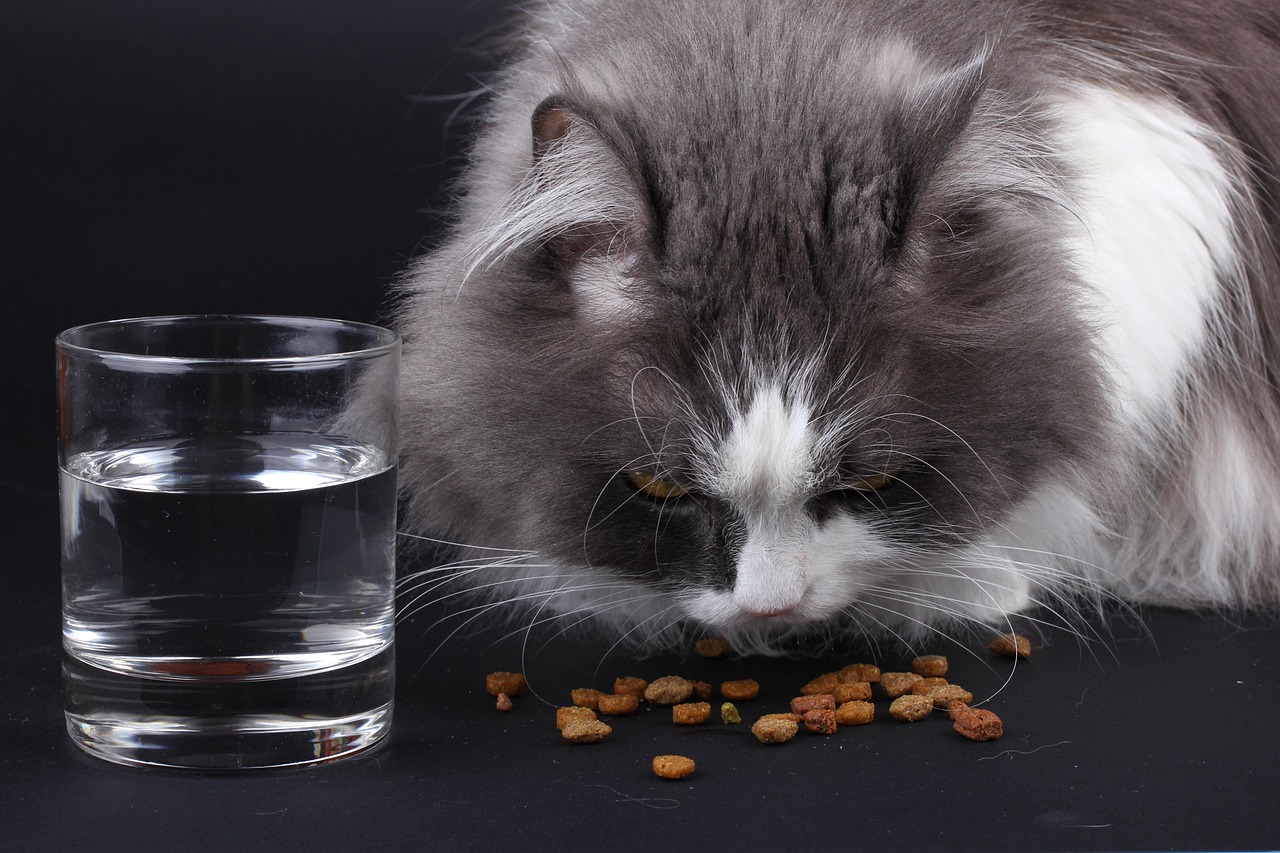
70% of a cat’s immune system is based in its digestive tract, making nutrition a critical factor in feline health. This statistic highlights the importance of nutrition in maintaining a cat’s overall well-being. Proper nutrition can prevent a myriad of health issues, from digestive problems to more severe conditions like diabetes and arthritis. Yet, many cat owners are unaware of the specific nutritional needs of their pets. By understanding these needs, cat owners can take simple yet effective steps to ensure their cats lead healthy, happy lives. The key to achieving this lies in recognizing the unique dietary requirements of cats and implementing strategies that cater to these needs.
Cats are obligate carnivores, meaning they require a diet rich in protein from animal sources. Their digestive system is designed to process high amounts of meat, and their nutritional needs reflect this. Unlike humans or dogs, cats have specific requirements for certain nutrients that are found predominantly in animal tissue. This fundamental aspect of cat biology underpins the importance of providing a diet that aligns with their natural feeding behavior and physiological makeup. Ignoring this could lead to nutritional deficiencies and related health problems. Therefore, it’s crucial to select foods that are high in quality protein and designed to meet the nutritional needs of cats.
Nutritional awareness is on the rise among pet owners, but there’s still a significant gap in understanding the specifics of cat nutrition. Many cat foods on the market claim to offer complete nutrition, but the ingredients and manufacturing processes can vary widely. Some foods may contain fillers or by-products that do not contribute to the nutritional value of the diet. Moreover, the life stage of the cat, whether it’s a kitten, adult, or senior, plays a significant role in determining its nutritional needs. Kittenhood, for example, requires a diet rich in calories and protein to support rapid growth and development. Adults and seniors have different needs, with seniors often requiring fewer calories but more emphasis on easy-to-digest nutrients. Recognizing these differences is vital for providing the best possible care for your cat.
Furthermore, cats are known for their picky eating habits, which can sometimes make it challenging to ensure they’re getting all the nutrients they need. This pickiness can be due to a variety of factors, including the texture, smell, and taste of the food. Some cats may also develop food sensitivities or allergies, necessitating a change in their diet. Understanding these individual preferences and health considerations is essential for maintaining the cat’s nutritional balance and overall health. With the right approach, cat owners can navigate these challenges and provide their pets with the nutrition they require to thrive.
In addition to the nutritional content of the food, the method of feeding can also impact a cat’s health and satisfaction. Free-feeding, where food is available at all times, can lead to obesity and other health issues in some cats. On the other hand, scheduled feeding can help maintain a healthy weight and provide a sense of routine. The choice between dry food, wet food, or a combination of both also affects the cat’s hydration levels and dental health. Dry food can help reduce tartar buildup, but wet food can provide essential moisture, especially for cats that do not drink enough water. Considering these factors can help cat owners make informed decisions about their cat’s diet and feeding schedule.
📝 What You'll Learn
Breaking Down Cat Nutrition
Understanding cat nutrition requires breaking down the components of a cat’s diet and understanding how each contributes to their overall health. Cats require a balanced mix of proteins, fats, carbohydrates, vitamins, and minerals. Proteins from animal sources are crucial, as they provide essential amino acids that cats cannot produce on their own. Fats are also important for energy and the absorption of certain vitamins. Carbohydrates, while not a primary source of energy for cats, can still play a role in their diet, especially in the form of fiber, which aids digestion.
The nutritional needs of cats also depend on their life stage and health status. Kittens, for example, have higher requirements for protein and calories to support their rapid growth. Adult cats have different needs based on their activity level and whether they are intact or spayed/neutered. Senior cats may require adjustments to their diet due to decreased activity levels and potential health issues. Recognizing these differences is crucial for selecting the right food and ensuring the cat receives the nutrients it needs.
| Life Stage | Protein Requirement | Calorie Requirement | Special Considerations |
|---|---|---|---|
| Kitten | High | High | Rapid growth and development |
| Adult | Moderate to High | Moderate | Depends on activity level and health status |
| Senior | Moderate | Lower | Easy-to-digest nutrients, potential health issues |
| Pregnant/Lactating | High | High | Nutrient-dense diet to support fetal growth and milk production |
In addition to these general guidelines, individual factors such as the cat’s breed, size, and health conditions can also influence its nutritional needs. For example, certain breeds may be prone to specific health issues that require dietary adjustments. Similarly, cats with health conditions like diabetes or kidney disease may need specialized diets to manage their condition. Consulting with a veterinarian can provide personalized advice tailored to the cat’s unique situation. these general guidelines
Leading Cat Nutrition Solutions
1. High-Quality Protein Sources
Providing high-quality protein sources is fundamental to cat nutrition. These sources should be named, such as chicken, salmon, or beef, rather than unspecified meat by-products. High-quality protein is essential for maintaining muscle mass, supporting immune function, and overall health. Cats have a high requirement for certain amino acids found in animal tissues, making animal-derived protein indispensable.
The quality of protein in cat food can significantly impact the cat’s health and satisfaction. Foods with high-quality protein sources tend to be more digestible, reducing the risk of gastrointestinal upset. Moreover, these proteins support the cat’s natural instinct to eat meat, aligning with their evolutionary diet. By selecting foods with named protein sources, cat owners can help ensure their pets are getting the nutrients they need.
- What You Gain:
- Improved muscle mass and strength
- Enhanced immune function
- Better digestibility and reduced risk of gastrointestinal issues
2. Moisture-Rich Diets
Incorporating moisture-rich foods into a cat’s diet can have numerous health benefits. Cats are naturally designed to consume prey with high water content, and their kidneys are adapted to conserve water. Feeding dry food exclusively can lead to chronic dehydration, potentially causing kidney disease and other health issues. Moisture-rich foods, such as canned or raw diets, can help maintain optimal hydration levels.
Moisture-rich diets are particularly beneficial for cats that do not drink enough water or have kidney issues. These diets can help reduce the strain on the kidneys and support overall urinary health. Additionally, the high moisture content can make the food more appealing to cats, encouraging them to eat and reducing the risk of food aversion. By including moisture-rich foods in their diet, cat owners can promote their cat’s urinary health and overall well-being.
- What You Gain:
- Improved hydration and reduced risk of kidney disease
- Better urinary health and reduced risk of urinary tract infections
- Increased palatability and reduced risk of food aversion
3. Limited Carbohydrates
Cats do not require carbohydrates as a primary source of energy; instead, they rely on proteins and fats. Limiting carbohydrates in their diet can help maintain their natural metabolic balance and reduce the risk of obesity and diabetes. Carbohydrates in cat food often come from fillers like corn, wheat, or potatoes, which provide little to no nutritional value to cats. fats Limiting carbohydrates
Choosing cat foods with limited or no carbohydrates can be beneficial for maintaining the cat’s ideal weight and metabolic health. It’s also crucial to select foods where any included carbohydrates serve a nutritional purpose, such as providing fiber for digestive health. By limiting unnecessary carbohydrates, cat owners can help their pets avoid potential health issues associated with high carbohydrate intake. cats ideal weight
- What You Gain: discover more
- Reduced risk of obesity and related health issues
- Lower risk of developing diabetes
- More aligned with the cat’s natural dietary needs
4. Essential Vitamins and Minerals
Cats require a range of essential vitamins and minerals to maintain optimal health. These include vitamin A for vision and immune function, vitamin D for bone health, and minerals like calcium and phosphorus for strong bones and teeth. Ensuring that the cat’s diet is well-balanced and includes these essential nutrients is vital for preventing deficiencies and related health issues.
The specific vitamin and mineral needs of cats can vary based on their life stage and health status. For example, kittens require higher levels of certain nutrients to support their rapid growth and development. Similarly, pregnant or lactating cats have increased nutritional needs to support the growth of their kittens and milk production. By understanding these needs and selecting a diet that meets them, cat owners can help ensure their pets receive the nutrients necessary for optimal health.
- What You Gain:
- Strong immune system and reduced risk of infections
- Healthy bones and teeth
- Optimal vision and neurological function
5. Customized Nutrition Plans
Every cat is unique, with its own set of nutritional needs based on factors like age, health, and lifestyle. Customized nutrition plans can help cat owners tailor their cat’s diet to its individual requirements. This might involve consulting with a veterinarian or a certified animal nutritionist to develop a diet that addresses the cat’s specific needs and health conditions.
A customized nutrition plan can be particularly beneficial for cats with health issues or those that are not thriving on a standard commercial diet. By identifying the cat’s specific nutritional deficiencies or needs, cat owners can make targeted adjustments to their diet, potentially improving their health and quality of life. This approach requires a deep understanding of cat nutrition and the ability to adapt dietary recommendations based on the cat’s response and changing needs.
- What You Gain:
- Personalized diet tailored to the cat’s unique needs
- Potential improvement in health conditions through targeted nutrition
- Increased satisfaction and reduced risk of nutritional deficiencies
What This Means in Practice
✔ Improved Digestive Health Improved Digestive Health
By focusing on high-quality protein sources, limited carbohydrates, and essential vitamins and minerals, cat owners can significantly improve their cat’s digestive health. A well-balanced diet reduces the risk of gastrointestinal upset and supports the growth of beneficial gut bacteria, leading to a stronger immune system and overall better health.
✔ Enhanced Immune Function
A diet rich in essential nutrients supports the cat’s immune system, helping it fight off infections and diseases more effectively. A strong immune system is crucial for maintaining the cat’s overall health and reducing the risk of chronic illnesses.
✔ Better Hydration
Incorporating moisture-rich foods into the cat’s diet can help maintain optimal hydration levels, reducing the risk of kidney disease and other urinary health issues. Proper hydration is essential for the cat’s overall health and well-being.
✔ Increased Satisfaction and Palatability
A diet that meets the cat’s nutritional needs and is appealing in texture and smell can increase satisfaction and reduce the risk of food aversion. Cats are naturally finicky eaters, and a diet that caters to their preferences can make mealtime more enjoyable and reduce stress.
✔ Reduced Risk of Chronic Diseases
By providing a balanced and nutritious diet, cat owners can significantly reduce the risk of chronic diseases such as obesity, diabetes, and certain types of cancer. A well-nourished cat is better equipped to handle health challenges and maintain its quality of life.
✔ Improved Overall Health and Well-being
A diet tailored to the cat’s specific needs, combined with appropriate care and attention, can lead to improved overall health and well-being. A healthy cat is more active, has a better coat condition, and enjoys a higher quality of life, bringing joy and companionship to its owners.
The Road Ahead
- Increased Focus on Personalized Nutrition
- Advancements in Nutritional Technology
- Greater Awareness of Nutrition’s Impact on Health
- Expansion of Raw and Fresh Food Options
- Integration of Nutrigenomics into Cat Nutrition
As understanding of cat nutrition advances, there will be a greater emphasis on personalized diets tailored to the individual cat’s needs, health status, and lifestyle. This approach will require more collaboration between cat owners, veterinarians, and animal nutritionists to develop customized nutrition plans.
Technological advancements in food manufacturing and nutritional analysis will continue to improve the quality and variety of cat foods available. This could include better preservation methods, more precise nutrient formulations, and innovative packaging solutions.
There will be increased recognition of the critical role nutrition plays in preventing and managing health issues in cats. This awareness will drive demand for higher-quality, nutritionally balanced cat foods and more informed decision-making among cat owners. critical role nutrition
The market for raw and fresh cat foods is expected to grow, driven by consumer interest in more natural and less processed diets. These options can provide cats with essential nutrients in a form that mimics their natural prey, potentially offering health benefits for some cats.
Nutrigenomics, the study of how genes affect a cat’s response to different nutrients, will become more integrated into cat nutrition. This field of study holds promise for developing diets that are tailored to the cat’s genetic profile, potentially leading to more effective health management and disease prevention.
| Nutrient | Kitten Requirement | Adult Requirement | Senior Requirement |
|---|---|---|---|
| Protein | 30-40% of daily calories | 25-35% of daily calories | 20-30% of daily calories |
| Fat | 20-30% of daily calories | 15-25% of daily calories | 10-20% of daily calories |
| Carbohydrates | 5-10% of daily calories | 5% or less of daily calories | 5% or less of daily calories |
| Fiber | 2-4% of daily calories | 2-4% of daily calories | 2-4% of daily calories |
What It All Means
Cat nutrition is a complex and multifaceted field that requires a deep understanding of a cat’s unique dietary needs and how they change throughout their life. By recognizing the importance of high-quality protein sources, moisture-rich diets, limited carbohydrates, and essential vitamins and minerals, cat owners can take significant steps towards ensuring their cat’s optimal health and well-being.
As research and technology advance, the possibilities for tailored and effective cat nutrition will continue to grow, offering cat owners more opportunities to provide their pets with the best possible care. Whether through customized nutrition plans, advancements in food technology, or greater awareness of nutrition’s role in health, the future of cat nutrition holds much promise for improving the lives of felines everywhere.
Ultimately, understanding and addressing the specific nutritional needs of cats is crucial for their health, happiness, and longevity. By staying informed and adapting to the latest insights in cat nutrition, cat owners can help their pets thrive and enjoy a fulfilling and healthy life.